
We’ve got formal learning down. Books and courses, even online courses with or without live instructors are more numerous than ever. But in today’s fast-paced and attention-demanding world, many people don’t have the time to focus on learning one skill at a time. So learning needs to happen when and where the skills and knowledge are needed.
Attract
Attract patrons to your services and programs by providing collections and programs that appeal to them in settings that they like and enjoy.
Serve
Serve patrons what they need. That may be around health (meditation, yoga, tai chi), connection through discussion, breaks for parents, and play for patrons of all ages.
Everywhere
Be where they are. Available on mobile devices, programs out in community settings like senior homes, laundromats, parks, day care centers, etc.
For more direct learning and teaching, I really loved learning about the collaborative and open experiment spaces in DOKK1. Having real-time sharing and inspiration between two different locations creating something is brilliant and even 10 years later a great use of current technology. Finding foundational skills within evolving technology to focus on can build programs that last and can evolve with the times.
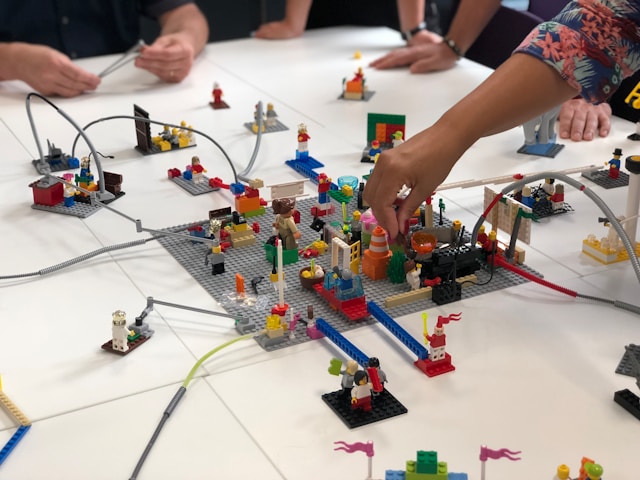
With how fast our world is changing, we may not be able to predict what skills we will need next. As libraries we need to remain flexible, focus on what our patrons need now, and not be overly attached to those services and programs. They may not be relevant at all in 6 months. For this, I really like the idea of rotating themes and flexibility.
Oak Park Public Library (OPPL) did a great version of this with their Idea Box. It’s interactive and evolving, and even behind that there are themes or seasons. Depending on the library, the program, or the space, it might be something that rotates on a monthly of quarterly basis. Maybe it’s a wall that invites people to share what they’ve learned on a topic recently and reply to one another. Maybe it asks them to share fond memories.
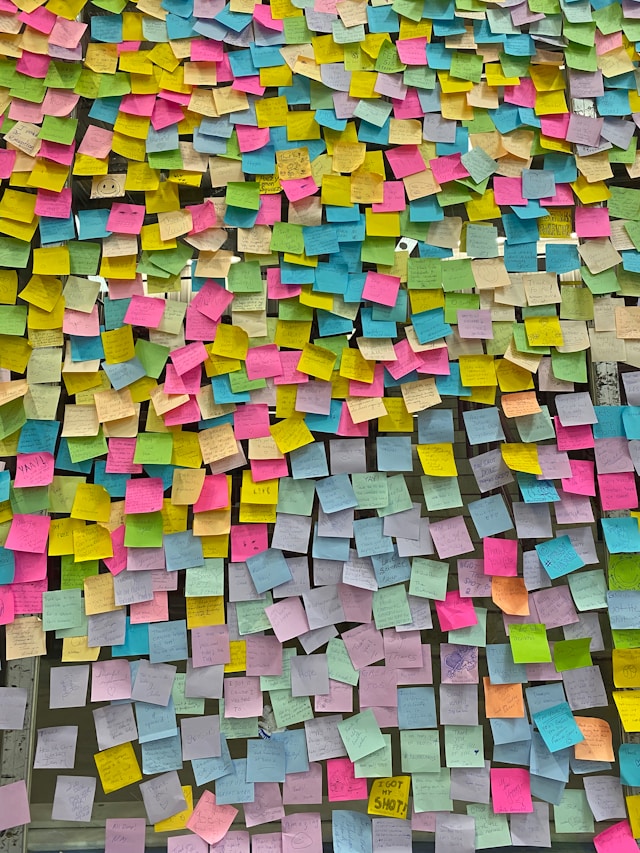
All of this rests on understanding our communities and users well. Who are they? What do they value? Where do they spend their time and with who? What problems are they facing? Then we build services that aren’t perfectly packaged solutions, but containers for our communities to fill and decorate.
This was a wonderful post @yknode! I love when you said “As libraries we need to remain flexible, focus on what our patrons need now, and not be overly attached to those services and programs.” Sometimes it feels like there is nothing harder than adaptability and shift in routines. As humans I think we find comfort in routine, in knowing what to expect and feeling prepared. This is going to be a challenge to me as a librarian, but one I’m excited about!
Thank you! It is absolutely a challenge. It’s naturally to be attached to things we create. I think one of the things that helps is to keep things small and limited. Launch Betas and prototypes, plan for a program to last 3 months. We can always bring back things that are successful, or better yet we can take what we’ve learned and transform them into the next version of that thing. This is the idea that I feel I am really taking with me from this class.