The concept of “library” has been steadily transforming from a place of knowledge access to a place of knowledge application. Where we once lived in a world where information was scarce and difficult to distribute, we now live in a world of overabundance. Most people consume information constantly through their smartphones and other devices, let alone what they consume at school or at work. Consumption of information is easier than ever, but access to information alone does not lead directly to good outcomes.
In my personal experience, the bombardment of information in short-form videos like Instagram Reels or TikTok leads to minimal retention of information – even if I found it very interesting or even useful in the moment – and a huge resistance to moving from consuming to doing. More information does not automatically lead to action. In many cases I believe it leads to paralysis.
This is why I believe this shift that libraries are undergoing from spaces that contain information to spaces of creation and interaction is exactly what everyone needs.
Here I’m mostly talking about library spaces rather than services, although the same shift can be observed of services. Library services still include an abundance of access points including physical and digital books, magazines, and other media; but they also include experiences: tickets to local museums or access to recorded performances.
In her TEDx Talk from 2013, Pam Sandlian Smith quotes John Cotton Dana who said, “the purpose of the public library is the pursuit of happiness first, and education second.” This quote really stuck with me, because I believe that even on a practical level, learning and contributing to our communities is far easier when we experience a sense of safety and belonging, and having fun and amusement and opportunities for connection are what create that. I think its time we as a culture move past this idea that human beings are naturally ‘lazy’ and won’t work unless they are threatened. We know that when we our needs are met and we have time and resources, we love to create and share. We saw plenty of that during the first year or two of the COVID-19 pandemic.
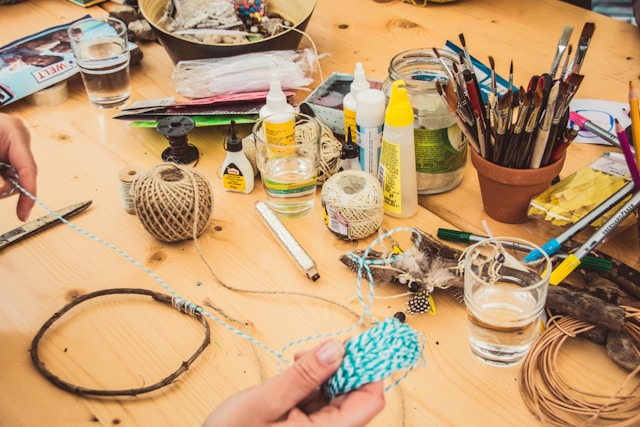
What libraries need to be first and foremost are spaces that community members feel comfortable stepping into and playing with. Libraries should be malleable and lived in, not pristine and untouchable. A little mess and flexibility opens up possibilities and opportunities for creativity. A sense of incompleteness invites others to contribute.
Perhaps for services the same is true, that what we need aren’t answers but questions and a willingness to discuss.
Resources
What to expect from libraries in the 21st century: Pam Sandlian Smith at TEDxMileHigh https://youtu.be/fa6ERdxyYdo
The Hyperlinked Library: New Models Lecture 2025 by Michael Stephens