
(backup Google Drive Link: https://drive.google.com/file/d/18uAhc1rZ6tyx9gSGeqIIrwGpc9BMsYjz/view?usp=sharing)
Virtual Symposium: From Surviving to Thriving
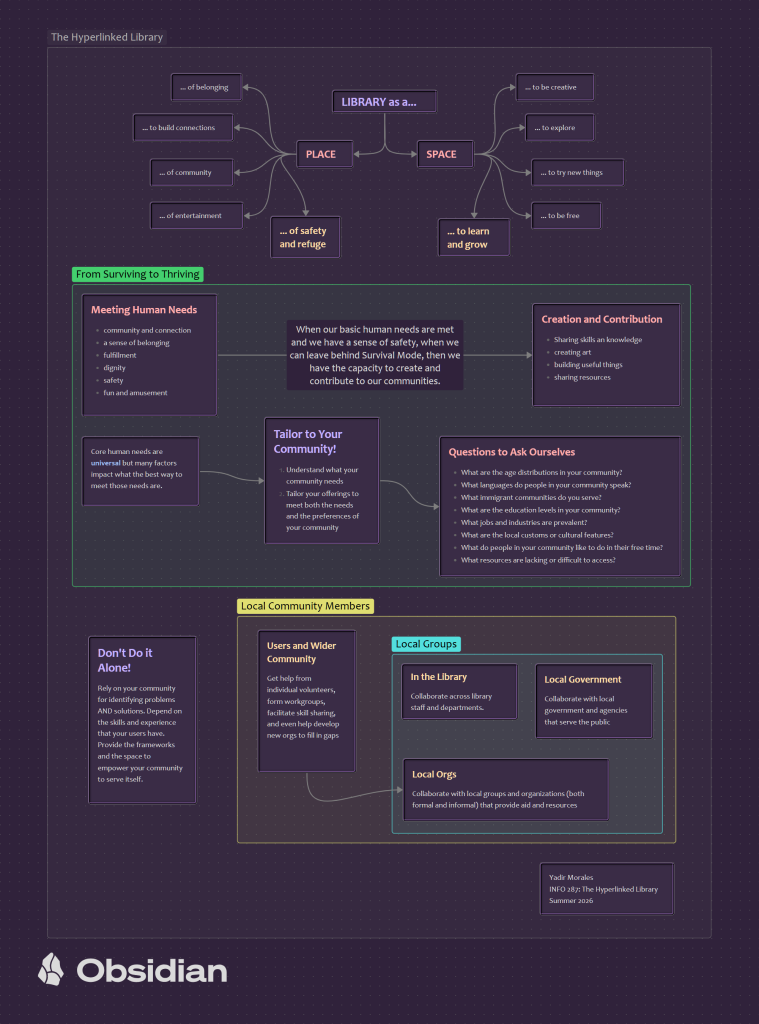
As I reflected upon this semester I found a couple of themes that really stood out to me. One major theme was this dual purpose and pathway of supporting members of our community From Surviving to Thriving. Libraries serve as a place of safety and refuge. I see this often in my own community in how my libraries serve my unhoused neighbors, providing them with space, resources, and a place for them to relax in dignity. Libraries also serve as places to create and explore: STEAM activities for kids, conversation and social activities for adults, makerspaces for people of all ages. It provides users the opportunity to expand their understanding of the world, their skills, and even their sense of self. It is a place of dreaming and a space of possibility.
While all of us need things like shelter, food and water, safety, connection, and fulfillment, every community will have different specific obstacles and resources to actually meeting those needs. Our job is to be curious and flexible. We must understand what our community lacks, and also what strengths it has. If our community lacks public transportation but has many families with mini-vans, could we coordinate carpooling efforts for community events or voting to expand access? If we have a large immigrant population, can we build programs of mutual culture and language sharing? If we have a large population of seniors can we create programming where they can share their stories, get help digitizing their memories (oral histories, photographs, etc.) and contribute to our local historical archives for future generations?
There are so many opportunities to collaborate with our library users and local groups and organizations to benefit many in our community. I think we have to look beyond traditional problem-solving and service providers to see just what our users themselves can do.
This has been such a wonderful journey. Through this class I feel like my mind is bursting with ideas and possibilities. More than ever I want to dive in and help build these kinds of collaborations in my community.
Thank you all for your generous sharing and ideas this semester!
Learning is about living an Expansive Life
We’ve got formal learning down. Books and courses, even online courses with or without live instructors are more numerous than ever. But in today’s fast-paced and attention-demanding world, many people don’t have the time to focus on learning one skill at a time. So learning needs to happen when and where the skills and knowledge are needed.
Attract
Attract patrons to your services and programs by providing collections and programs that appeal to them in settings that they like and enjoy.
Serve
Serve patrons what they need. That may be around health (meditation, yoga, tai chi), connection through discussion, breaks for parents, and play for patrons of all ages.
Everywhere
Be where they are. Available on mobile devices, programs out in community settings like senior homes, laundromats, parks, day care centers, etc.
For more direct learning and teaching, I really loved learning about the collaborative and open experiment spaces in DOKK1. Having real-time sharing and inspiration between two different locations creating something is brilliant and even 10 years later a great use of current technology. Finding foundational skills within evolving technology to focus on can build programs that last and can evolve with the times.
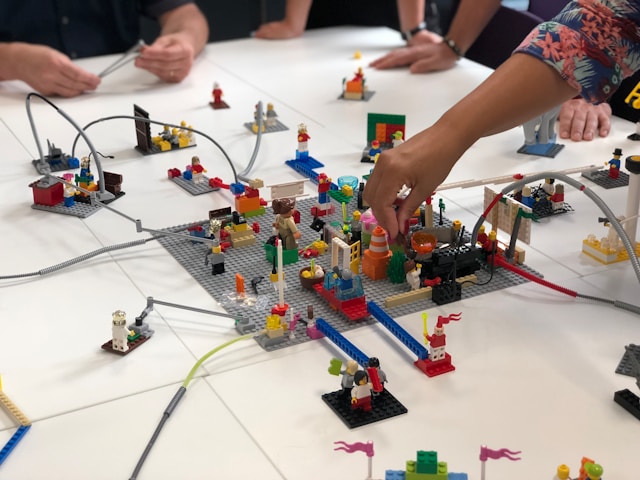
With how fast our world is changing, we may not be able to predict what skills we will need next. As libraries we need to remain flexible, focus on what our patrons need now, and not be overly attached to those services and programs. They may not be relevant at all in 6 months. For this, I really like the idea of rotating themes and flexibility.
Oak Park Public Library (OPPL) did a great version of this with their Idea Box. It’s interactive and evolving, and even behind that there are themes or seasons. Depending on the library, the program, or the space, it might be something that rotates on a monthly of quarterly basis. Maybe it’s a wall that invites people to share what they’ve learned on a topic recently and reply to one another. Maybe it asks them to share fond memories.
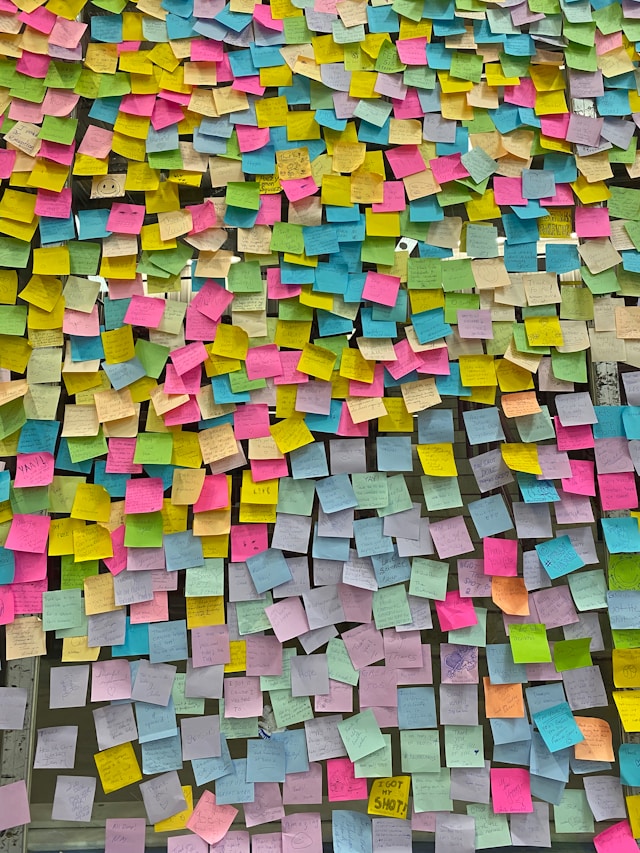
All of this rests on understanding our communities and users well. Who are they? What do they value? Where do they spend their time and with who? What problems are they facing? Then we build services that aren’t perfectly packaged solutions, but containers for our communities to fill and decorate.
Living Books
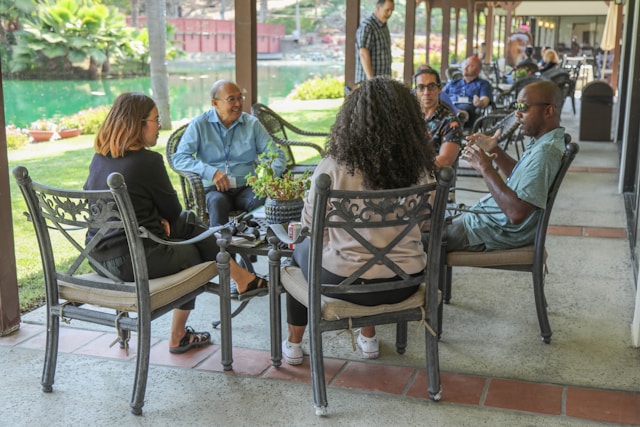
I absolutely love the concept of human books. @lauraskor shared in this post about holding conversations in the library through the use of book clubs and I think this idea exists in the same vein. Cultivating community is more than just having a space that many people inhabit at the same time. Conversation, especially about issues that directly effect us and our communities is vital to growing strong connections. It is also vital to growing communities that care.
I think these are programs that should be considered together. The Human Book concept is a great way to spark conversations around different topics, centered around real people within our communities. These events can be paired with tabling from organizations that support vulnerable groups in our community. Those conversations can then be continued on through things like book clubs, or discussions about upcoming elections or propositions. There is no set order to these things and every community will have unique needs and desires, but when I think about libraries helping to build community, I believe this is the work that must be done. (I also enjoyed hearing from Kylie and Felicity and I believe that librarians and library staff must be included in this on both ends! As people sharing their stories and as people hearing them.)
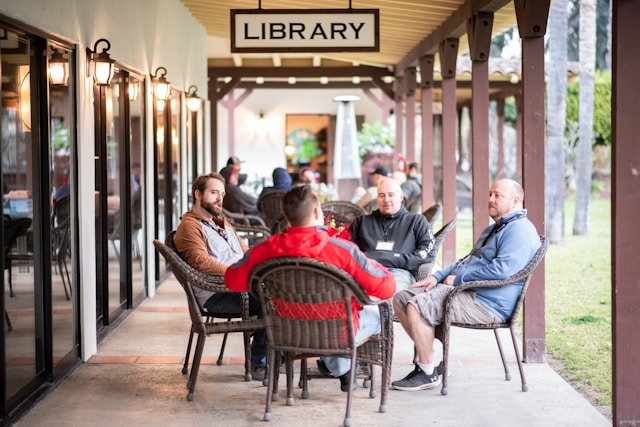
This module really made me think about how libraries exist to address universal human needs like connection, belonging, and meaning or fulfillment. Programs like these help communities meet these needs. But although the needs themselves may be universal, how those needs get met will be specific to individuals and communities. Like Michael Casey shared when he came to talk to our class, some ideas may not work for all communities. It’s important to try things and learn from them to find what works best for the specific population we are serving.
As a side note about the Human Books concept: I went onto the Human Library Organisation website and was surprised to find that in their model, they not only do not pay “human books,” they strongly discourage it, stating that they “do not believe readers will have the same confidence in the library if books were paid to be there.” (Human Library FAQ) I find this troubling considering that a primary goal for this practice is to help inform people about the lives and experiences of people who are stigmatized. Which means we are talking about marginalized people doing free labor to educate people. I think it would be far more appropriate to –when possible– offer people sharing their stories small honorariums like might be offered to speakers or research volunteers.
The Incomplete Library Model
The concept of “library” has been steadily transforming from a place of knowledge access to a place of knowledge application. Where we once lived in a world where information was scarce and difficult to distribute, we now live in a world of overabundance. Most people consume information constantly through their smartphones and other devices, let alone what they consume at school or at work. Consumption of information is easier than ever, but access to information alone does not lead directly to good outcomes.
In my personal experience, the bombardment of information in short-form videos like Instagram Reels or TikTok leads to minimal retention of information – even if I found it very interesting or even useful in the moment – and a huge resistance to moving from consuming to doing. More information does not automatically lead to action. In many cases I believe it leads to paralysis.
This is why I believe this shift that libraries are undergoing from spaces that contain information to spaces of creation and interaction is exactly what everyone needs.
Here I’m mostly talking about library spaces rather than services, although the same shift can be observed of services. Library services still include an abundance of access points including physical and digital books, magazines, and other media; but they also include experiences: tickets to local museums or access to recorded performances.
In her TEDx Talk from 2013, Pam Sandlian Smith quotes John Cotton Dana who said, “the purpose of the public library is the pursuit of happiness first, and education second.” This quote really stuck with me, because I believe that even on a practical level, learning and contributing to our communities is far easier when we experience a sense of safety and belonging, and having fun and amusement and opportunities for connection are what create that. I think its time we as a culture move past this idea that human beings are naturally ‘lazy’ and won’t work unless they are threatened. We know that when we our needs are met and we have time and resources, we love to create and share. We saw plenty of that during the first year or two of the COVID-19 pandemic.
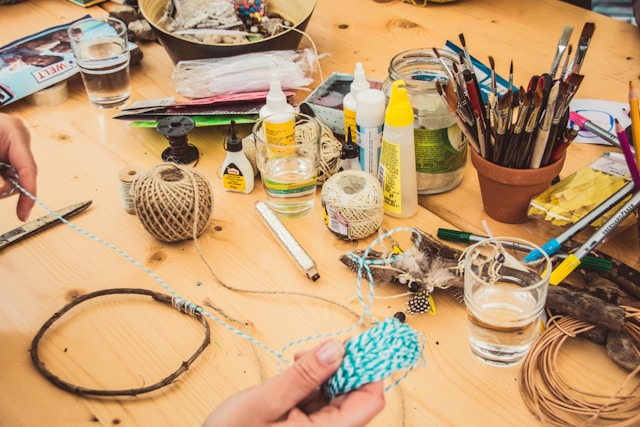
What libraries need to be first and foremost are spaces that community members feel comfortable stepping into and playing with. Libraries should be malleable and lived in, not pristine and untouchable. A little mess and flexibility opens up possibilities and opportunities for creativity. A sense of incompleteness invites others to contribute.
Perhaps for services the same is true, that what we need aren’t answers but questions and a willingness to discuss.
Resources
What to expect from libraries in the 21st century: Pam Sandlian Smith at TEDxMileHigh https://youtu.be/fa6ERdxyYdo
The Hyperlinked Library: New Models Lecture 2025 by Michael Stephens
Innovation Strategy: Living Zine Library
My innovation strategy is about creating an ongoing zine program and living library at the Lavender Library, Archives, and Community Exchange. I think it would be a wonderful addition to their existing collections and programming, in line with their mission, and a great opportunity to form new partnerships with community members and community organizations.
Mobile Access and Accessibility
Immediate Access vs. Building Future Accessibility
Watson’s 2023 article “Libraries on Call: Smartphone lending program bridges technology gaps” is a great example of providing immediate material access which improves people’s lives. However there is another side I don’t want us to lose sight of.
Immediate Access
This approach:
- is often technology-based,
- uses individual devices to bridge access gaps,
- has a cost per device and per person served,
- often puts the onus on the individual or community organizations to bridge the gap,
- is often not scalable,
- circumvents barriers but does not remove them, and
- may create temporary access and dependency on the short-term solution.
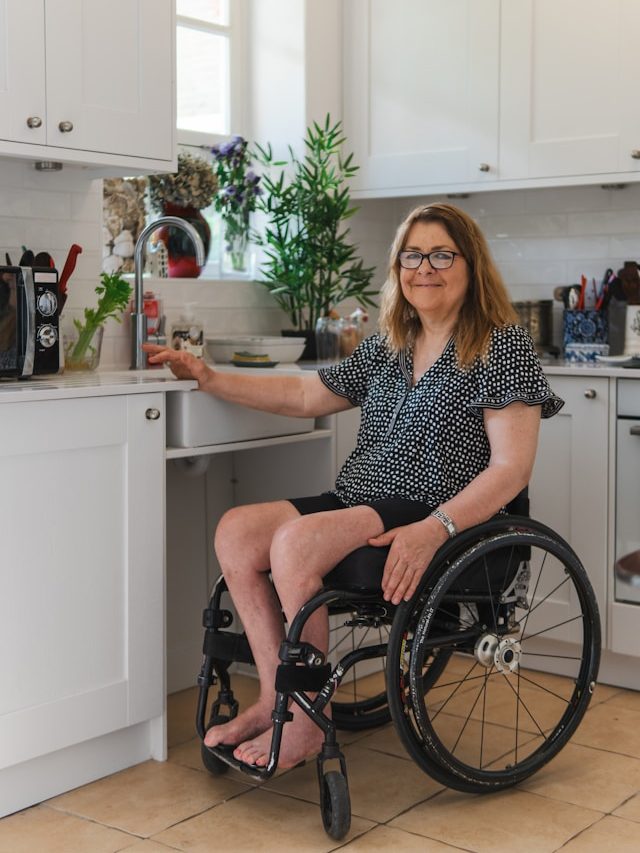
Examples may include: translation devices/apps, recording devices and voice-to-text, and my favorite example of this phenomenon: specialized powered wheelchairs that can climb steps.
Future Accessibility
This approach:
- is often infrastructure based;
- looks at long-term and universal access;
- incurs a large but often one-time cost;
- may face a lot of push-back due to the scale of change needed;
- does not ask individuals and communities that are facing barriers to dissolve or overcome the barriers themselves; and
- results in spaces that are inherently more accessible and therefore require no additional resources to access.
Examples may include: retrofitting buildings, building new structures, redesigning processes, and just creating new systems from the ground up.
Providing immediate access to some while building more universal and permanent access is important and necessary. Building permanent access may even grow out of some of those temporary solutions into long-term solutions. What’s important here is that effort is being made to provide both immediate and permanent access.
Understanding and Transferable Skills for Future Access
Mobile devices and user interfaces in particular (including mobile apps) tend to have a much lower barrier to entry in terms of both cost and computing know-how. They are highly-accessible devices for people from a variety of backgrounds, ages, education levels, and ability. However, the other side of this coin is that they also tend to obscure and make harder to see or understand the basics of computing.
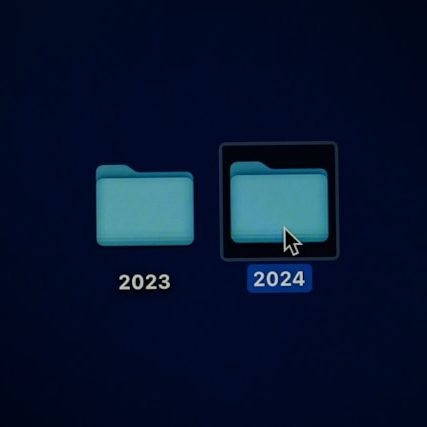
We have seen that younger generations who have grown up using cloud storage and mobile apps do not have basic understanding of file structures and directories. They rely on search. And with generative “AI” now entering the scene, this is getting only worse.
While these mobile devices being accessible is great for the short-term and can help connect people to information and resources quickly, the devices themselves do not help users build skills around computing, accessing information, or other digital skills that could be useful to them in their lives. As long as these devices and the software they carry hide the complexity behind a simple UI, users will have to learn another way. But will they choose to when the easier option is within reach?
Resources
- American Library Association. (2021). Emerging Technologies with Privacy Concerns.
- Burton, K. T., Burton, J., & Archer, A. (2017). Using Proximity Beacons to Connect Physical & Virtual Library Spaces: A Case Study.
- Chin, M. (2021). File not Found.
- Lu, K. (2017) Growth in mobile news use driven by older adults.
- Watson, K. (2023) Libraries on Call. Smartphone lending program bridges technology gaps
Trust. Be Curious. Transform. And Don’t Do it Alone
In some of the stories Michael has shared it’s apparent that some libraries and staff still struggle with viewing users almost as adversaries or challenges. When we find ourselves asking something like ‘how do we protect the library from users?’ that signifies a fundamentally flawed relationship to our user-base. To break out of that way of thinking we have to (1) understand what it means for the library to belong to its users, and (2) respond with curiosity and compassion.
At least some of the pressure libraries feel comes from trying to do everything, all at once, and trying to do it alone. We live in a society where we view abundance as coming from the top of the social-economic hierarchy and flowing downward. Large companies “create jobs and opportunities” for workers, billionaires engage in philanthropy, charities provide for the ‘needy’. Therefore we see the library as a provider and therefore — unfortunately — as being above our most vulnerable users. Then we run into issues with trying to pour from an empty cup. That view is false. Workers create value for companies through their labor and it’s the people on the ground that make the biggest difference. Value flows UP in our society regardless of what the CEOs and billionaires say, which means the abundance actually lies at the bottom.
When we see our users and our community as allies and partners we open up new possibilities for both our users and for the library itself. Instead of trying to be every solution, be the vehicle for the solutions the community has to offer. Ask people what they need, what would make their lives better. Then ask people what solutions they have for the issues their community faces. Bring services to them where they are. Make it easier for them to come to you. Ask them for help and partner with groups in the community to expand services. The library doesn’t have to do it all or be the only answer, but it plays an important role in making these things happen.
I was really moved by the Wash & Learn program because not only was it bringing library services and supports to people when it would be convenient for them, it was also run by young volunteers who no doubt gained skills and insights about what their community needs. Libraries belong to users, so they should be tools that help users and communities help themselves.
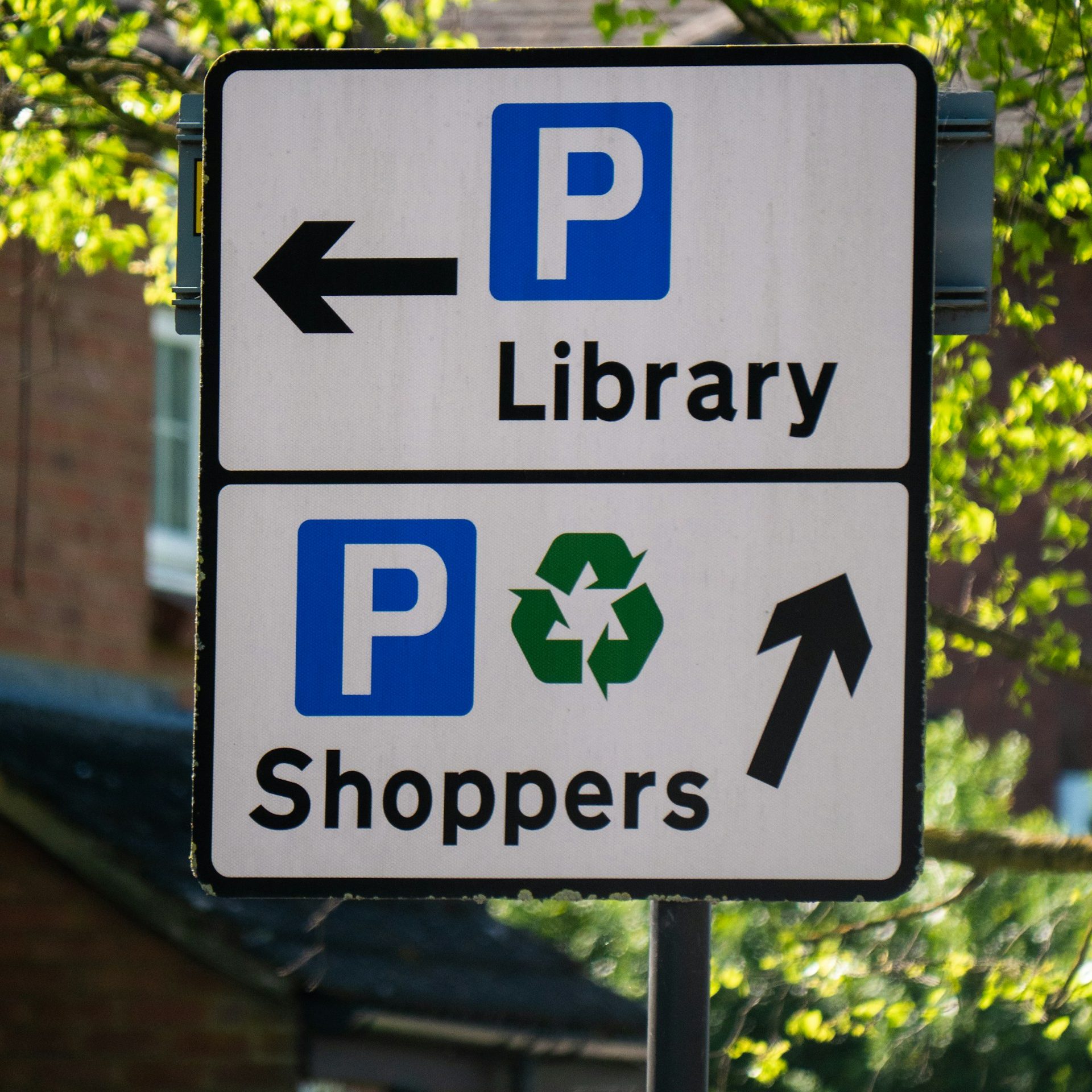
I think part of the solution displayed here is thinking about users as more than library users. They are also teachers, parents, singers, hosts, designers, and so much more. They are also drivers, eaters, shoppers, and just people who need to do laundry so they have clean clothes to wear next week.
For my own work, I was really excited to learn about Commons in a Box created by CUNY. It is exactly the kind of tool that I’ve been looking for or thinking about building to help communities connect and create together. I have two projects where I would like to try to implement this and I am so excited to learn more about how to create and support communities through platforms like this through experimentation.
Assignment X: Participation and Community Empowerment
The theme within the concept of the Hyperlinked Library that has most captured my attention is that of user participation. I love that the Hyperlinked Library takes this concept beyond participation in programming or even providing feedback to help design library services, instead it asks how libraries can support users actively participate in all areas of their lives and as members of their communities.
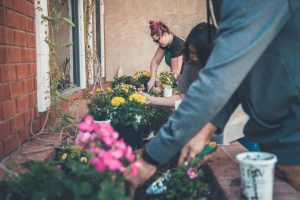
Participation in this way is about agency and empowerment. Libraries exist to connect their communities to information and resources (including people!) that enable them to take action, to create, and to make an impact on their own lives and on the world around them. For libraries to do this work, they must break down the barriers that make information and people inaccessible.
Libraries are already doing versions of this: creating zine collections featuring local zine-makers; supporting civic literacy by educating users on their rights and on issues that affect them so they can make informed decisions;“exchanging knowledge without curriculum and administrators” (Stephens,2016); and offering seed libraries for home and community gardens. Even outside the library itself, Little Free Libraries have expanded who can contribute to their communities through literary resources; and when established libraries join in, these little libraries can become a powerful expansion of the library’s mission and reach. (Cottrell, n.d.)
The capitalist framework once promised that competition would drive innovation and push our societies to new heights. Instead, we have witnessed that same competitiveness hold individuals, businesses, and organizations back from real innovation and service. A competitor is a threat that we must either attack or defend against. But when we stop seeing everything as a threat — including Little Free Libraries — we instead have the opportunity to better serve our communities by meeting them where they are, answering their needs, and pivoting to work with them using the tools they’re already holding. (Schneider, 2006) Sometimes the library will act as a leader, educating and aiding users. Other times the library will find itself jumping on a bandwagon that users started. A successful library need not predict their users needs at every turn. A library that truly belongs to its users will accept being helped and led by its community instead.
Libraries must belong to its users and its community in all ways. Not only in the literal but indirect way of taxpayer funding but also emotionally. When we participate in building something with our own hands, when someone relies on us, and when we are allowed to contribute something substantial to a project or cause, we develop a sense of ownership. Libraries cannot be charities, they cannot be top-down resource provision for the “needy,” they must be spaces where people come to provide to the library, to help themselves, and to support each other. This is the kind of ‘buy-in’ that will generate true participation and empowerment. (Casey, 2011) This is how users and communities learn to practice agency and solve problems themselves.
The average person in the Global North is alienated from labor and expertise. We are experts in our own fields or our own roles, but lack understanding about other kinds of work and other kinds of knowledge. Worse, we assume that these things are inaccessible and far away. We are taught that engaging expertise means outsourcing, literally bringing in professionals from outside our circles to solve our problems for us (and usually with the exchange of money). But what if the expertise — the experience — we need is already local? What if we could learn to tap into the wisdom of our neighbors? What if we could learn to build more resilient and self-sufficient communities, not through isolation but through connection? What if our users are themselves the answers they seek? and the answers we seek?
Some of the questions I am most interested in exploring throughout this course include:
-
- What are ways that people working at any level or role in a library can help build participatory culture?
- What might it look like to build this kind of participatory culture in other organizations, especially in smaller and less formal ones?
- How can library users exercise their agency as users and community members, to take ownership of their libraries as spaces for active participation?
References
Casey, M. (2011). Revisiting participatory service in trying times. Tame the Web. https://tametheweb.com/2011/10/20/revisiting-participatory-service-in-trying-times-a-ttw-guest-post-by-michael-casey/
Cottrell, M. (2018). The question of little free libraries: Are they a boon or bane to communities? American Libraries Magazine. https://americanlibrariesmagazine.org/2018/01/02/question-little-free-libraries/
Schneider, K (2006). The user is not broken. Free Range Librarian. http://freerangelibrarian.com/2006/06/03/the-user-is-not-broken-a-meme-masquerading-as-a-manifesto/
Stephens, M. (2016). “The age of participation” in The Heart of Librarianship, p. 79. ALA Editions.
Foundations of the Hyperlinked Library – Readings
I find it useful to summarize my takeaways from readings, so I’ve decided to post my summaries here to share, and I invite you to share with me some of your reflections from our readings as well.
Buckland, M. (1999). Redesigning Library Services: A Manifesto.
Libraries have been built around objects that contain knowledge. Technology changes what is possible. Instead of only asking how we can do things better, we should also be asking what else is possible? That way we seek not only to modify but to evolve.
Casey, M. E., & Savastinuk, L. C. (2007). Library 2.0: A guide to participatory library service. Medford, N.J: Information Today.
Library 2.0 is about embracing the reality that is constant change, and engaging in intentional and purposeful change through collaboration and participation with everyone involved (vertically and horizontally), and through constant re-evaluation and further change. Nothing is sacred, anything can be evaluated and changed if it no longer serves the community.
Mathews, B. (2012). Think Like A Start Up.
Libraries must focus on their users and not on information or services. It’s not about how we can make a service or collection better, it’s how we can serve our users, our community, and their goals better. We have to think bigger and more long-term. We have to be willing to break away from everything we know. For that, it’s not enough to want to change, we also have to be prepared for change on a cultural and structural level. That means being built for experimentation and iteration. Try things, learn, adapt, try again. Try many things all at once. Don’t get attached. Start with the smallest version of an idea and test it in the field. What works somewhere else may not work here. Understand your own library and build for it.
Stephens, M. (2016). Chapter 1: “The Hyperlinked Librarian: Skills, Mind-Sets, and Ideas for Working in the Evolving Library” in The Heart of Librarianship: Attentive, Positive, and Purposeful Change
“Above all, librarians entering the hyperlinked arena must be curious and creative.”
We must be prepared to rethink everything about what a library is, to play with new ideas, to rebuild from the ground up, and problem-solve across issues, departments, and disciplines. We cannot resist this reality: that everything is connected.
Stephens, M. (2019). Chapter 1: “Past Is Prologue” in Wholehearted Librarianship: Finding Hope, Inspiration, and Balance
Libraries must become the resource people turn to automatically, must be present and accessible, but they must also be human and not another faceless resource. The Web has made accessing knowledge from people instead of “authorities” easier than ever. Libraries are in the perfect position to be familiar and trusted curators of the non-stop flow of information that overwhelms our users and communities everyday. We must build structures and shapes and environments where people can interact with information critically so that our users can be agents and knowledge workers too, not just consumers of information.