
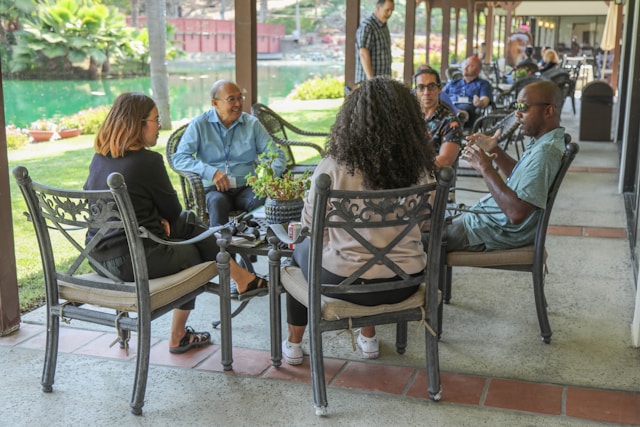
I absolutely love the concept of human books. @lauraskor shared in this post about holding conversations in the library through the use of book clubs and I think this idea exists in the same vein. Cultivating community is more than just having a space that many people inhabit at the same time. Conversation, especially about issues that directly effect us and our communities is vital to growing strong connections. It is also vital to growing communities that care.
I think these are programs that should be considered together. The Human Book concept is a great way to spark conversations around different topics, centered around real people within our communities. These events can be paired with tabling from organizations that support vulnerable groups in our community. Those conversations can then be continued on through things like book clubs, or discussions about upcoming elections or propositions. There is no set order to these things and every community will have unique needs and desires, but when I think about libraries helping to build community, I believe this is the work that must be done. (I also enjoyed hearing from Kylie and Felicity and I believe that librarians and library staff must be included in this on both ends! As people sharing their stories and as people hearing them.)
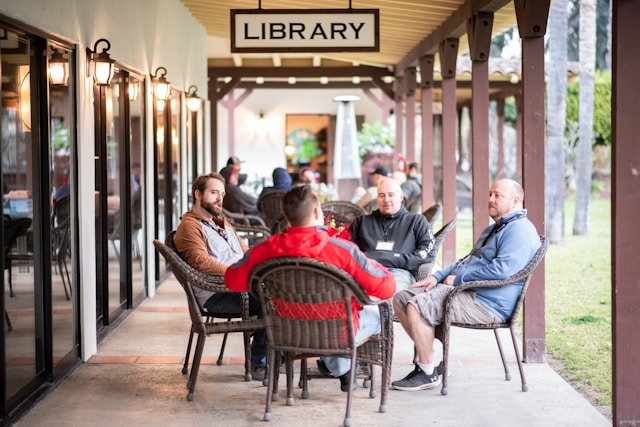
This module really made me think about how libraries exist to address universal human needs like connection, belonging, and meaning or fulfillment. Programs like these help communities meet these needs. But although the needs themselves may be universal, how those needs get met will be specific to individuals and communities. Like Michael Casey shared when he came to talk to our class, some ideas may not work for all communities. It’s important to try things and learn from them to find what works best for the specific population we are serving.
As a side note about the Human Books concept: I went onto the Human Library Organisation website and was surprised to find that in their model, they not only do not pay “human books,” they strongly discourage it, stating that they “do not believe readers will have the same confidence in the library if books were paid to be there.” (Human Library FAQ) I find this troubling considering that a primary goal for this practice is to help inform people about the lives and experiences of people who are stigmatized. Which means we are talking about marginalized people doing free labor to educate people. I think it would be far more appropriate to –when possible– offer people sharing their stories small honorariums like might be offered to speakers or research volunteers.
I really liked your point that community is more than just people being in the same building. I hadn’t thought about connecting Human Books with book clubs and local organizations, but that makes a lot of sense. It feels like a great way to keep those conversations going instead of them ending after one event. I also appreciated your point about not paying Human Books. That surprised me too. If we’re asking people, especially those from marginalized communities, to share personal stories that can be emotionally exhausting, it seems only fair to offer an honorarium like we would for any other speaker. That part definitely gave me something to think about.