
This momentous idea of the power of storytelling highlighted this week burrows deeply within my heartspace, especially within this field. I believe this gargantuan theme is more or less the bread and butter of what comprises the key tenets of librarianship. Having a plethora of voices and stories shared and represented within our local communities and from around the world is such a beautiful and powerful way to connect with one another. It is through the magnificent power of storytelling that ultimately was a catalyst for me pursuing this field to begin with. I recognize the notion that libraries have evolved far past being mere book repositories (another recurring key theme within our course), yet it is through books and stories that essentially lead me to this pathway.
It is through traversing numerous landscapes around the world and in imaginationland, meeting incredible yet varied personalities (human and creatures alike) along the journey, transporting myself within the reading universes that I was able to learn immensely through these stories about others and myself in the process. Reading inspires not only creativity, entertainment, pursuit of knowledge, but especially empathy. It is through these stories I have better honed in on my capacity for empathy, compassion, and understanding. When I started to fall down the rabbit hole of chasing librarianship, I recall sharing this affinity and love of books/stories was a key motivator in me pursuing this trajectory. When delving deeper into this sphere, I realized it wasn’t just stories I wanted to help share with others, but empowering people with all kinds of information and improving their lives in myriad ways.
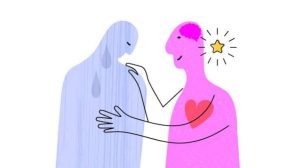

Possessing the ability to step outside of oneself and ATTEMPT to put oneself in another’s perspective further promotes these important ideals that create an informed citizenry but simultaneously heightens our emotional intelligence and fosters human connection and kindness within our world. We are able to learn greatly from one another when these narratives are shared with each other. As Dr. Stephens poignantly notes, “The dialogue that stories can create benefits all who participate” (Stephens, 2019).
It was wonderful perusing the impactful and innovative ways that libraries are showing up to facilitate and amplify people’s stories. Representation matters, it is amazing seeing these voices showing up more readily within books and/or information sources themselves, but also having people show up and exchange these narratives verbally and in person. In addition, having the library promote and cherish these types of stories, further instills that the library is truly a welcoming and safe place for ALL. One of the sources that I connected with deeply was learning more about the Human Library programs. I have never heard of this type of programming before and felt it was both compelling and inspiring to witness. This article explains the idea here; “Human libraries function similarly to other libraries except that in a human library, people—rather than books—are available for checkout. Those who volunteer to be “human books” are “people with a particular personal experience or perspective on life” and have often been stereotyped in some way. The human books agree to converse openly with other members of the community, called “readers.” Anyone who wants to participate in the program can be a reader. After browsing through a catalog with a title and a description for each book, a reader selects a book to check out for a short period of time. The reader then meets the book for a one-on-one conversation. Readers are able to ask questions, seek advice, learn about alternate perspectives, and find common ground. The conversations have no prescribed direction and develop organically, making each loan period unique” (Wentz, 2013).
What a gorgeous yet creative way to connect with one another. I loved seeing this concept put into action in Copenhagen within the video below:
It was fascinating to browse the impact study formulated based on these kinds of human libraries. It was noted; “The first impact study of the Human Library online format shows that Human Library events help Readers understand a broader scope of diversity and recognize that inclusion is more than acceptance – it requires action”(Aarne-Skidmore, 2021). I am in agreement that this approach certainly feels more actionable. Through sharing and vulnerability, we are able to harness better understanding and kindness for each other through these conversations. Once again, these resources made me wonder how these ideas could permeate into my current and future work in libraries? How can we empower ourselves and those we serve through voicing our unique stories? In a world that feels increasingly hostile and divisive, what are some common ground ways or conversations that could be had to reunite us as human beings? Libraries are a fantastic place to start to initiate and encourage these heartening dialogues from all walks of life. I am eager to see how libraries shall continue to show up, promote, and broadcast these incredible and meaningful stories to share with each other and the world.
References:
Aarne-Skidmore, E. (2021, April 8). New study on the impact of the human library. Human Library. https://humanlibrary.org/new-study-on-the-impact-of-the-human-library/
Human Library Organization. (2023, April 25). The human library reading garden in Copenhagen [Video]. YouTube. https://www.youtube.com/watch?v=rxukgiVqb5A
Stephens, M. (2019). Telling stories. In Wholehearted librarianship: Finding hope, inspiration, and balance. ALA Editions.
Wentz, E. (2013, April 26). The human library: Sharing the community with itself. Public Libraries Online. https://publiclibrariesonline.org/2013/04/human_librar/