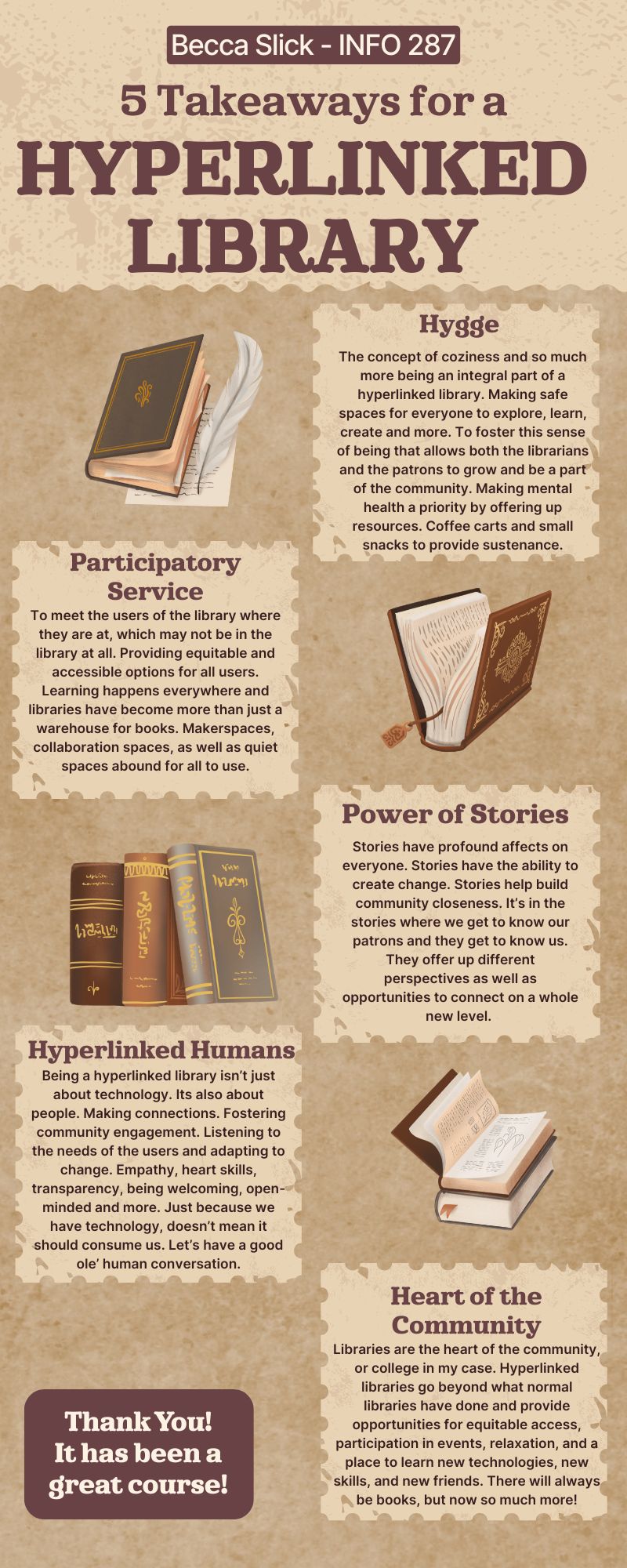
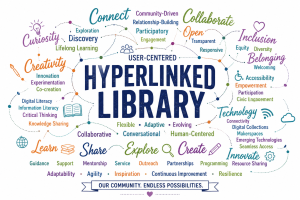
As I sit in the quietness of the library, I reflect on the significance of the Hyperlinked Library model and how it can help our library move forward. Stephens (2011) emphasizes the importance of building meaningful connections between libraries and their users to meet community needs. Today’s libraries are about much more than books. At the Southwestern Community College Learning Resource Center, we provide access to technology, collaboration spaces, stress reduction resources, creativity, comfort, and quiet study areas.
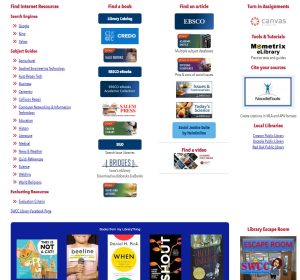
Although we maintain a website and Facebook page, our online presence is limited and not regularly updated. This raises an important question: how can we better connect with our users?
Social Media
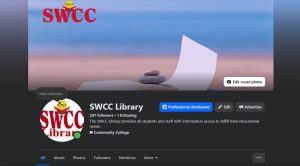
Students today use a variety of social media platforms to communicate and gather information. While our library currently only maintains a Facebook page, platforms such as Instagram, YouTube, and Snapchat offer additional opportunities to engage users where they already spend their time. As Pasipamire (2025) notes, libraries must meet users where they are rather than where staff feel most comfortable.

The Hyperlinked Library model encourages two-way communication, making social media an ideal tool for engagement. Short videos could provide tutorials on information literacy, printing services, finding books, and using library resources. More importantly, these platforms create opportunities for feedback through comments, suggestions, and conversations. Research shows that libraries increasingly use social media to market services, strengthen their reputation, and increase community engagement (Athukorala & Jayasundara, 2025).
Many libraries have successfully used creative content to showcase the human side of librarianship and challenge outdated stereotypes. By highlighting staff personalities, library activities, and student success stories, libraries can create stronger connections with their communities while promoting available resources and services.
Visual Displays
While technology offers valuable communication opportunities, physical spaces remain equally important. Throughout the library, visual displays can serve as communication hubs that encourage interaction and transparency.
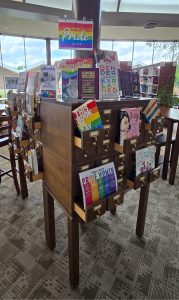
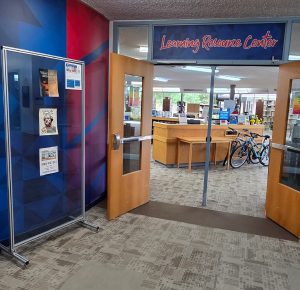
While technology offers valuable communication opportunities, physical spaces remain equally important. Throughout the library, visual displays can serve as communication hubs that encourage interaction and transparency.
For example, a clear panel near our entrance could be repurposed as a feedback station where students respond to questions using sticky notes. This simple, low-cost approach allows users to share opinions, interests, and suggestions while fostering a sense of participation. Stephens (2011) reminds us that libraries do not need to rely exclusively on new technology. Effective communication can occur through both digital and traditional methods.
By using displays more intentionally, the library can create welcoming spaces that invite students, faculty, and staff to engage with library services and contribute ideas for improvement.
Future Trends for the SWCC Library
Reading about Hyperlinked Libraries in Information Services Today encouraged me to consider additional ways to strengthen communication with users. One idea is developing departmental newsletters for faculty that highlight resources, services, and collections that directly support their curriculum.
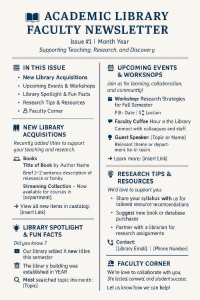
Communication between the library and academic departments has not always been consistent, contributing to outdated materials and missed opportunities for collaboration. Strengthening these relationships could improve collection development while creating new opportunities for programming and outreach.
The library has previously hosted successful events such as Book Tastings, a Human Library, and a multicultural potluck. These programs brought students, faculty, and staff together while showcasing the library as a community-centered space. Reviving similar events would support the Hyperlinked Library model by encouraging participation, collaboration, and relationship-building.

Reflection
I am enthusiastic about incorporating the Hyperlinked Library model into the daily operations of our small library. Although challenges such as limited staffing and budgets exist, the model encourages creative thinking and meaningful engagement with both users and non-users.
By expanding our social media presence, creating interactive physical spaces, strengthening communication with faculty, and reviving community-centered programming, the library can become more responsive to user needs. Listening to feedback and demonstrating that user input influences decisions helps build trust and strengthens relationships.
As Stephens (2016) explains in The Heart of Librarianship, the library extends far beyond its physical walls. It exists wherever people connect with information, learning, and one another. By embracing the principles of the Hyperlinked Library model, the SWCC Learning Resource Center can continue evolving as a dynamic, welcoming, and essential part of the campus community.
Resources
Athukorala, W., & Jayasundara, C. C. (2025). Social media as a digital communication tool for academic library marketing: A systematic literature review.
Language, Technology, and Social Media, 3(1), 131–149.
https://doi.org/10.70211/ltsm.v3i1.164
Pasipamire, E. (2025). Integrating social media in library services within higher education Institutions: A systematic review.
European Conference on Social Media,
12(1), 196–204.
https://doi.org/10.34190/ecsm.12.1.3428Stephens, M. (2011, February 21). The hyperlinked library: A TTW white paper. Tame the Web. https://tametheweb.com/2011/02/21/hyperlinkedlibrary2011/
Stephens, M. T. (2016). The heart of librarianship : attentive, positive, and purposeful change. ALA Editions, an imprint of the American Library Association.
Stephens, M. (2022). Hyperlinked libraries. In S. Hirsh (Ed.), Information services today: An introduction (pp. 229–239). Rowman & Littlefield.