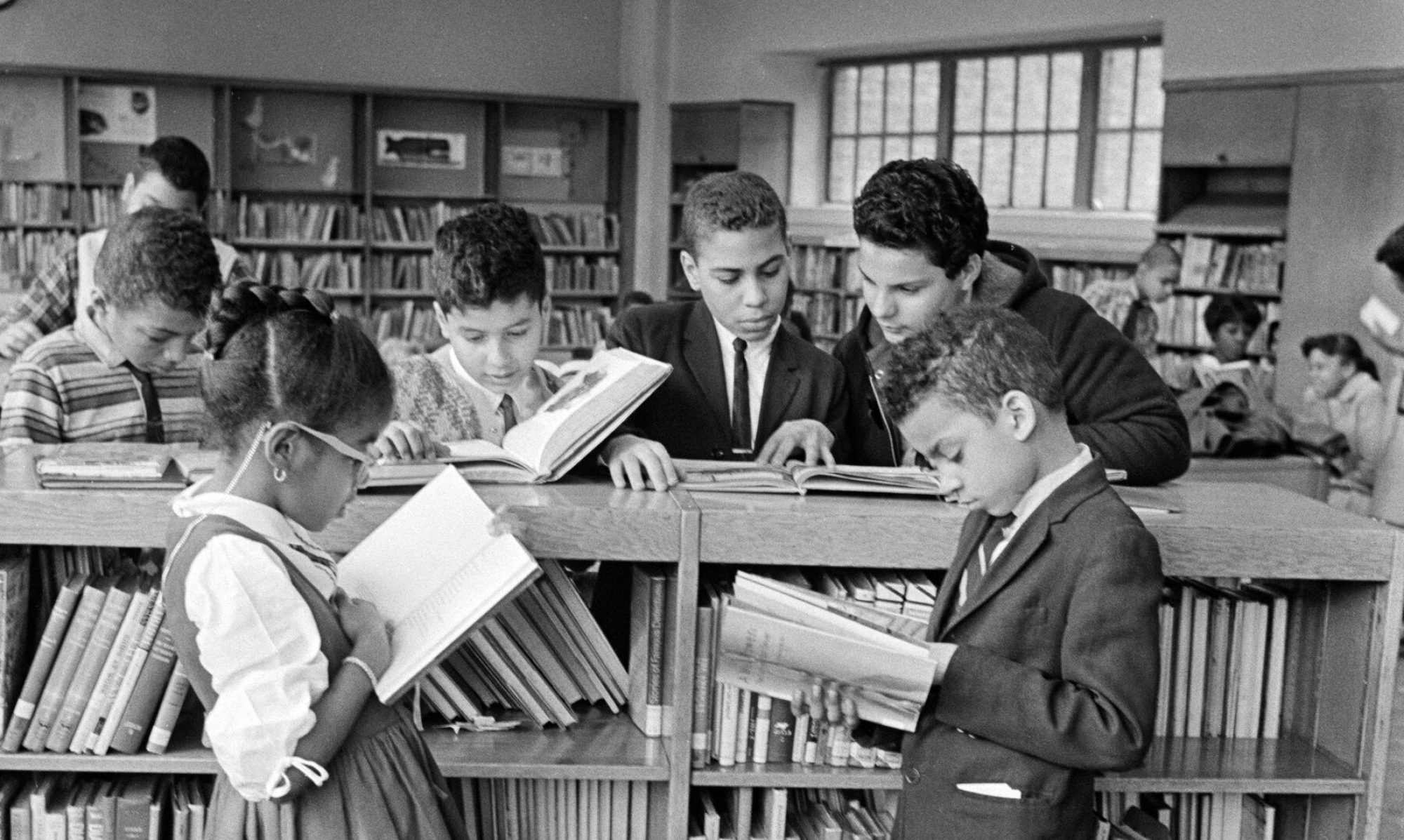
On some micro level, a story reaffirms the idea that we actually can see each other…when we do see each other, we become more mutually convinced of each other’s reality. The fact that you are actually every bit as real as I am.
-George Saunders

In my blog post for Assignment X, I touched on, among other things, the power of stories to enhance our capacity for empathy. I’d like to continue that theme in this reflection blog on the Power of Stories module, which I greatly enjoyed and deeply appreciated. I’m a huge fan of the author George Saunders—I had the privilege of meeting him briefly in February at an event for his most recent book, Vigil—and I think he’s such an eloquent speaker on the power of stories. The above quote, to me, really captured the spirit of the Power of Stories module.
The Human Library Concept
I enjoyed reading about the human library programs and their impact on combatting stereotypes and building bridges of understanding. The concept of human libraries is a strong example of how stories affirm the idea that we can really see and empathize with each other, acknowledge others’ realities, and reawaken a sense of shared humanity. We all have unique stories to tell, but many of us will never write, let alone publish, a book or article or some kind of work that is visible to others or available to check out at a typical library. The human library brings those previously untold stories to light by turning members of the community into books, giving them an opportunity to share their experiences orally in interpersonal dialogue with fellow community members.
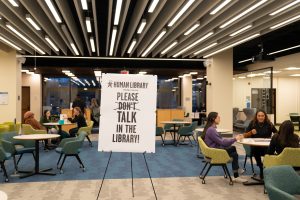
Erin Wentz writes that “making these personal connections brings the community together. Providing the human library program weaves the library more tightly into the fabric of the community.” Another beautiful part of the human library, as touched on by Wentz in that quote, is how it further localizes the library by incorporating the stories of its community members into its collection. This gives users a stronger feeling of personal investment in their library.
Storytelling in Everyday Work
Another part of the module that stood out to me was the blog post about narrative inquiry (NI), a method of research centered on asking more open-ended questions, by @michael. He writes that “one of the best ways to gain first-hand knowledge of both librarian experience and the specific stories of our community is through narrative inquiry (NI).” Though we may not have the time or resources to conduct a human library program, we can keep the spirit of that program, one of inviting others to tell their stories, in our day-to-day work.
What might we learn about staff and users were we to ask questions like, “What subjects are you interested in right now?” or “What’s something you feel you do well?” I think that is a great way to unearth the “unexpected details and insights” that @michael writes about as well as reinvigorate our sense of humanity—something I think all of us need to do often.
References
Bailey, Spencer – Time Sensitive, Episode 151: George Saunders on the Power of Fiction to Enliven the World, 2026
Stephens, Michael – Office Hours: Narrative Inquiry, 2020.
Wentz, Erin – The Human Library: Sharing the Community with Itself, 2013.