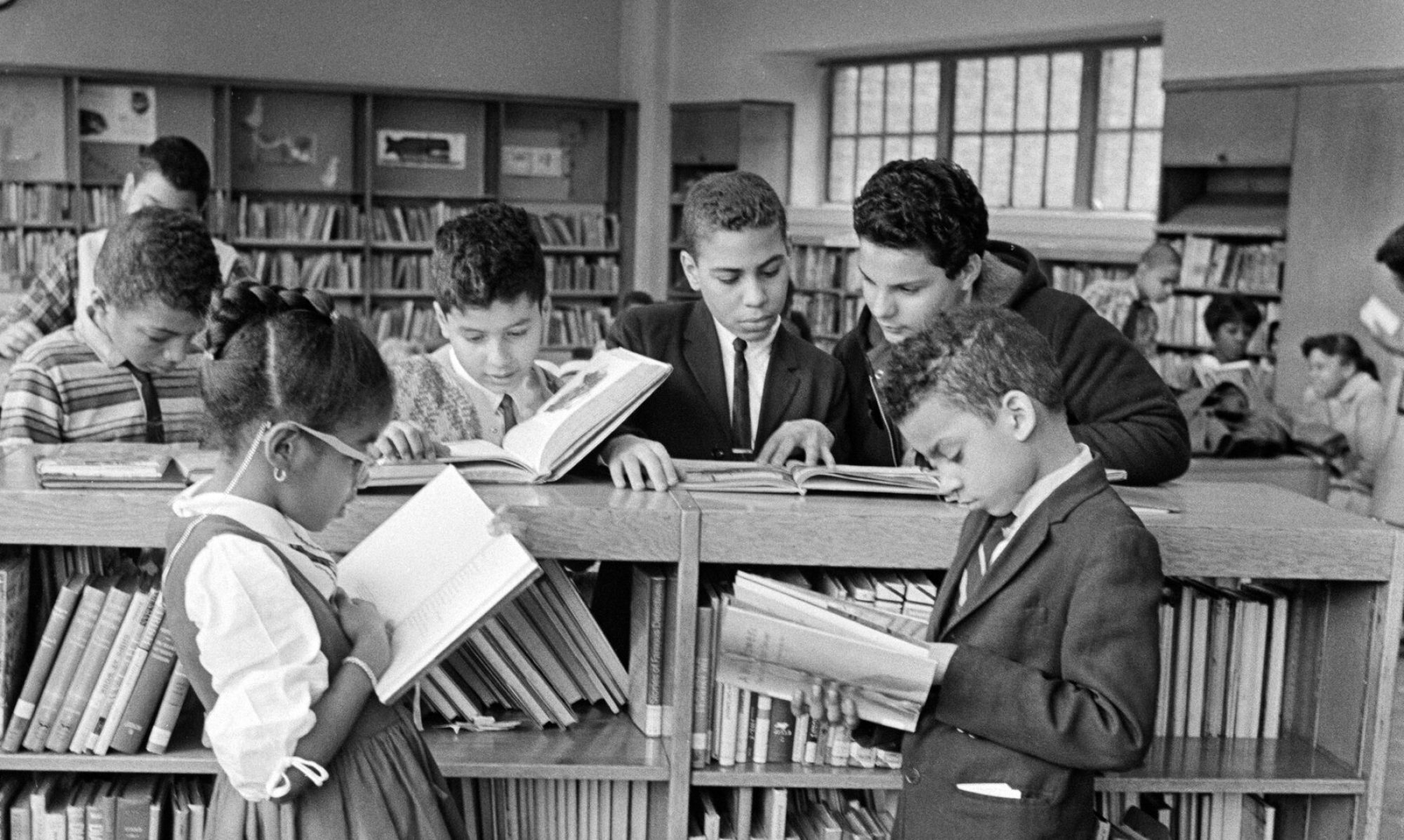
“All the things that are wrong in the world seem conquered by a library’s simple unspoken promise: Here I am, please tell me your story; here is my story, please listen.”
-Susan Orlean, The Library Book
The Power of Storytelling
In our lectures and readings, there have been multiple references to an amazing mantra from library consultant Erik Boekesteijn: libraries should keep stories, share stories, and make stories. Like many, I’m a voracious consumer of stories. I love a good yarn, wherever I can find it, and I believe, with every ounce of feeling I can muster, in the power of story. Stories are how we understand the world around us. Our participation in keeping, sharing, and making stories imbues us with powerful, quite-literally-world-changing feelings of empathy and shared humanity. I’m excited by the opportunities libraries have to follow Boekesteijn’s directive.
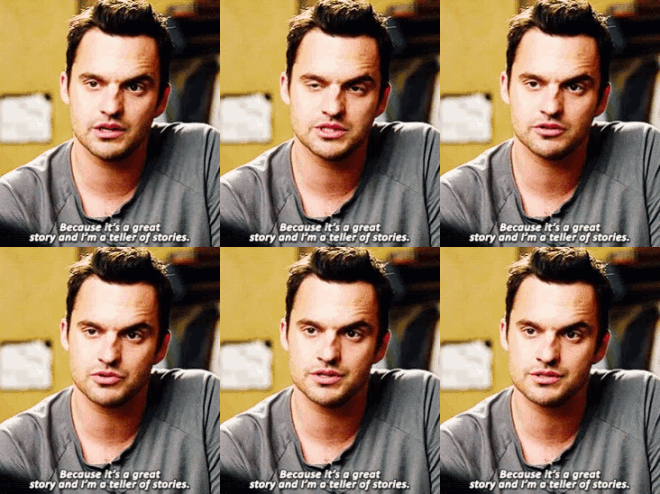
Storytelling in Programming
When we think of this idea, we might first imagine a librarian reading a story to a group of young children. However, I’ve come to realize storytelling lies at the heart of so much of the services and programming libraries provide to users of all ages. In researching the connection between libraries and storytelling, I found this great passage from LIS scholar Dr. Janice M. Del Negro:
“Storytelling in its most essential manifestation is at the core of many library programs and lends itself to a dizzying array of effective programming opportunities: young adult storytelling programs include active participation by teens in the telling; local history programs collect community stories from seniors; movie programs for adults capitalize on the modern fascination with fairy tales and contemporary media. Storytelling not only creates community from a group of disparate participants, it also acts as a unifying focus.”
I particularly love that last bit: storytelling acts as a unifying focus. Telling and listening to stories binds us in a way that transcends our differences. Borrowing from Charles Dickens, it helps us see and think of each other as “fellow-passengers to the grave, and not another race of creatures bound on other journeys.”
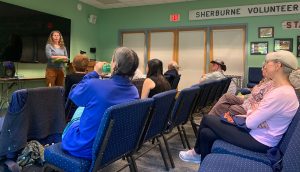
Earlier this year, Sherburne Memorial Library in Killington, Vermont (surely, someone has written a slasher horror story set in this city, right?), hosted a storytelling event where adults could get up and share a brief personal story with the audience. The stories ranged from an afternoon with Katharine Hepburn to solo hiking the Pacific Crest Trail, and the participants felt uplifted by the experience. This is the concept of participatory service in action—an example of, as Dr. Stephens has written about, welcoming guests in and making them feel like hosts.
Storytelling in Marketing and Communications
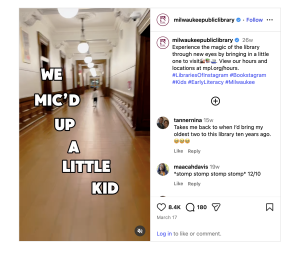
Posting on social media is a simple, practical way libraries can incorporate elements of storytelling in their marketing. Dr. Stephens has highlighted “the importance of [organizations] tapping into the collective voice of [their] communities” and this video, made by the Milwaukee Public Library, does just that. Who doesn’t love experiencing the joy of the library through the eyes of a little kid?
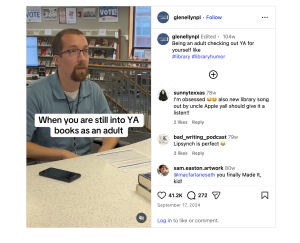
I love the humor libraries incorporate in their social media presence. I think it helps erase outdated stereotypes of libraries being serious and formal settings, replacing them with an aura that’s more approachable and welcoming. Here’s a great example from the Glen Ellyn Public Library (and a reminder that libraries should be a non-judgmental space for users):
Moving Forward
I love the ending of the movie Be Kind Rewind. Upon learning their neighborhood’s beloved, rundown video rental store is scheduled for demolition, members of the community and the store’s staff decide to give it a proper sendoff. They pool their creative talents to make and star in a shoestring-budget documentary film about the life of local jazz legend Fats Waller, to be screened on the last day of the store’s life. The finished product is chaotic and riddled with imperfections, but it’s also precious and endearing; and the neighborhood loves it, because it’s art about their little place in the world that they made together.
Whatever the feeling is at the end of that film, that’s what I’d like to pursue as I explore how to utilize the power of storytelling in library spaces, both physical and digital. There are likely many people who don’t see themselves as storytellers, artists, or creators, and I think the library can invite people to engage with story, to make something—no matter how imperfect or messy the final product is—that will be meaningful to them, maybe even share it with others, and experience the healing power of storytelling for themselves.
References
Del Negro, Janice M. – The Whole Story, The Whole Library: Storytelling As A Driving Force, 2015.
Dickens, Charles – A Christmas Carol, 1843.
Mountain Times – Sherburne Library Moth Storytelling event inspires honest Conversations, 2026.
Orlean, Susan – The Library Book, 2018. ISBN: 978-1476740195.
Stephens, Michael – The Heart of Librarianship: Attentive, Positive, and Purposeful Change, 2016. ISBN: 978-0-8389-1454-0.
Stephens, Michael – Wholehearted Librarianship: Finding Hope, Inspiration, and Balance, 2019. ISBN: 978-0-8389-1906-4.