Category: Uncategorized

Innovation Roadmap: Cook, Learn, Connect – A Library Teaching Kitchen Initiative

Innovation Roadmap: Cook, Learn, Connect – A Library Teaching Kitchen Initiative

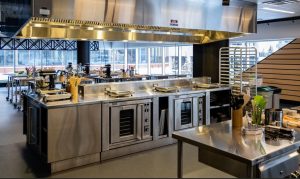
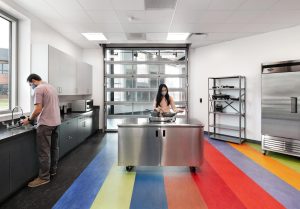
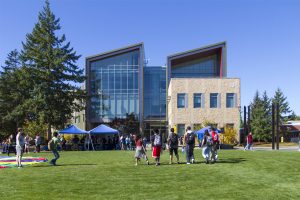
(Examples of teaching kitchens in community and library settings. From Edmonton Public Library – The Kitchen, Salt Lake County Library’s Create Kitchen, and the Salt City Market Teaching Kitchen. These examples demonstrate how libraries and community organizations can use kitchen spaces to promote lifelong learning and food literacy.)

What is the Idea?

Cook, Learn, Connect is a community teaching kitchen and food literacy program housed within the public library. The program combines cooking demonstrations, nutrition education, digital learning, and partnerships with local food banks to help community members build confidence in preparing healthy, affordable meals (Feeding America, https://www.feedingamerica.org).

The library will transform an underused meeting room into a flexible teaching kitchen equipped with portable cooking stations, tablets, and audiovisual equipment for live and recorded demonstrations. Programs will focus on preparing nutritious meals using common food pantry ingredients, reducing food waste, budgeting for groceries, and celebrating cultural food traditions (Colorado State University Extension, https://extension.colostate.edu).

The primary audience includes low-income families, college students, seniors, new parents, and anyone experiencing food insecurity or seeking practical cooking skills. By partnering with local food banks, public health organizations, cooperative extension programs, and volunteer chefs, the library can provide both educational programming and access to community resources (No Kid Hungry, https://www.nokidhungry.org).

Rather than simply providing food, the program empowers patrons with lifelong skills that improve food security, health literacy, digital literacy, and community connection.


Mission & Institutional Context

Public libraries exist to provide equitable access to information, lifelong learning opportunities, and services that strengthen their communities. As food insecurity, rising grocery costs, and health disparities continue to affect many households, libraries are increasingly serving as trusted community hubs that connect people with essential resources (Feeding America, https://www.feedingamerica.org).

Cook, Learn, Connect aligns with the library’s mission by expanding traditional literacy into food literacy and health literacy. It supports community wellness while encouraging participation, collaboration, and lifelong learning.

The timing is appropriate because many libraries already partner with food banks, but relatively few combine food assistance with educational programming that helps patrons build long-term confidence and independence (No Kid Hungry, https://www.nokidhungry.org). Instead of focusing on technology for its own sake, this innovation uses digital tools only where they enhance learning and accessibility, reflecting a sustainable, mission-driven approach to innovation.


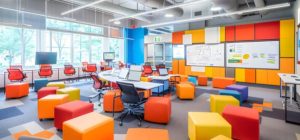
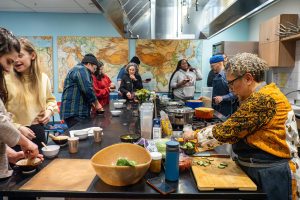
(Community members participate in a hands-on cooking workshop. Teaching kitchens encourage collaboration, practical skill development, and community engagement, which aligns closely with the goals of the Cook, Learn, Connect initiative. Source: City of Oakland Community Grant Program.)

Action Brief Statement

For Patrons

Convince community members that by participating in Cook, Learn, Connect they will discover practical cooking skills, affordable recipes, and community food resources, which will increase their confidence in preparing healthy meals because the library is committed to lifelong learning, equitable access, and improving quality of life.

For Staff

Convince library staff that by supporting Cook, Learn, Connect they will strengthen the library’s role as a trusted community partner, which will increase meaningful engagement and community impact because libraries help people access knowledge that improves everyday life.


Where Did I Find Inspiration?


Planning Discussion

Guidelines & Policies

  • Develop food safety procedures that comply with local health regulations.
  • Establish partnership agreements with local food banks and community organizations.
  • Create allergy and ingredient disclosure policies for all demonstrations.
  • Ensure accessibility by offering adaptive cooking equipment and multilingual instructional materials.
  • Record demonstrations with captioning for patrons unable to attend in person.
  • Protect patron privacy during program registration and surveys.
  • Clearly define volunteer responsibilities and staff supervision.
  • Ensure all recipes remain affordable and use commonly available ingredients.
  • Develop procedures for handling donated food and equipment.
  • Seek approval from library administration, legal counsel, public health officials, and partner organizations before launch (Colorado State University Extension, https://extension.colostate.edu).

(The Create Kitchen at Salt Lake County Library demonstrates how libraries are expanding beyond traditional collections to provide experiential learning spaces where patrons can develop life skills through cooking and community programming.)

Timeline for Implementation

Months 1–2: Planning

  • Assess community interest through surveys.
  • Meet with food banks and community partners.
  • Identify available space.
  • Develop budget and purchase equipment.

Months 3–4: Development

  • Purchase portable cooking equipment.
  • Create educational materials.
  • Develop program schedule.
  • Train staff and volunteers.
  • Test audiovisual technology.

Month 5: Pilot Program

  • Host two or three pilot cooking classes.
  • Collect participant feedback.
  • Refine curriculum and logistics.

Month 6: Public Launch

  • Begin monthly cooking workshops.
  • Introduce nutrition education sessions.
  • Launch online recipe library.

Months 7–12

  • Expand programming.
  • Add family cooking nights and cultural cooking events.
  • Evaluate outcomes and explore additional partnerships.

Marketing & Promotion

Marketing should emphasize that the library is a place to learn practical life skills, connect with neighbors, and discover community resources.

Promotion strategies include:

  • Social media posts featuring recipes and upcoming classes.
  • Library website calendar and newsletter.
  • Posters throughout the library and community centers.
  • Partnerships with food banks, schools, health clinics, and local colleges.
  • Flyers distributed with food pantry packages.
  • Local newspaper and community radio announcements.
  • Cooking demonstration videos shared online.

The primary message:

“Learn to cook healthy, affordable meals. Connect with your community. Grow your confidence—at your library.”


Staff Training & Readiness

Library staff will receive training on:

  • Program goals and community partnerships.
  • Food safety basics.
  • Referral procedures for food assistance programs.
  • Cultural sensitivity and inclusive programming.
  • Operating audiovisual and presentation equipment.
  • Using tablets and digital recipe resources.
  • Accessibility accommodations for participants with disabilities.

Training partners may include:

  • Local food bank educators.
  • Public health nutritionists.
  • Cooperative Extension staff.
  • Volunteer chefs.
  • Community health organizations (Colorado State University Extension, https://extension.colostate.edu).

Staff resources will include:

  • Program handbook.
  • Referral directory.
  • Frequently asked questions.
  • Safety checklist.
  • Lesson plans.
  • Technology guides.

Evaluation & Future Expansion

Success will be measured using both quantitative and qualitative data.

Performance benchmarks:

  • Number of participants.
  • Repeat attendance.
  • Community partnerships established.
  • Website visits to recipe resources.
  • Participant satisfaction surveys.
  • Self-reported increases in cooking confidence.
  • Growth in referrals to community food resources.

Success stories may include:

  • Families preparing healthier meals on a budget.
  • College students learning independent cooking skills.
  • Seniors building social connections through shared meals.
  • Participants discovering additional library services.

Feedback will be collected through surveys, focus groups, informal conversations, and partner meetings.

Future expansion opportunities include:

  • Mobile cooking demonstrations at community centers.
  • Youth summer cooking camps.
  • Garden-to-table programming with a library seed library.
  • Digital recipe database created by community members.
  • Livestreamed classes for remote participants.
  • Equipment lending kits featuring small kitchen appliances and cooking tools (No Kid Hungry, https://www.nokidhungry.org).

Reflection

Cook, Learn, Connect demonstrates that innovation is not simply adopting new technology—it is identifying community needs and thoughtfully using available tools to address them. By combining food literacy, digital resources, community partnerships, and lifelong learning, the library strengthens its role as an accessible and trusted community hub. This initiative reflects sustainable planning by focusing on measurable outcomes, collaboration, and long-term community impact rather than short-lived technological trends. This approach also aligns with the work of organizations such as Feeding America, Colorado State University Extension, and No Kid Hungry, which emphasize education, community partnerships, and equitable access to resources as key strategies for improving food security (Feeding America, https://www.feedingamerica.org; Colorado State University Extension, https://extension.colostate.edu; No Kid Hungry, https://www.nokidhungry.org).

Reflection on Hyperlinked Environments

Reflection on The Hunt Library Story and Tacoma Community College

Watching The Hunt Library Story made me think about the important role that colleges and universities play in creating spaces where students can learn, connect, and succeed. The Hunt Library is much more than a building filled with books—it is a place designed to inspire collaboration, innovation, and student success through technology, flexible learning spaces, and academic support.

One thing that stood out to me was how the large, open spaces in the library create an inviting environment where students naturally want to study, collaborate, and spend time. The bright, modern design encourages creativity and makes learning feel exciting rather than intimidating. Although Tacoma Community College is different in size and resources, I see many similarities in the welcoming atmosphere that our campus strives to create. TCC provides comfortable study areas, collaborative spaces, and student-centered services that make students feel like they belong. Our campus environment reflects the same goal of fostering learning, connection, and personal growth.

As an Academic Advisor at Tacoma Community College, I see these values reflected in the work we do every day. While TCC’s library may not have the same scale or advanced technology as the Hunt Library, it serves a similar purpose by providing students with resources that support their educational journey. Our library, tutoring centers, and student support services create an environment where students can ask questions, build confidence, and develop the skills they need to achieve their academic and career goals.

The video also reminded me that student success depends on more than what happens in the classroom. Many students face challenges that can make college feel overwhelming. As an academic advisor, I often help students navigate those challenges by connecting them with campus resources, encouraging them to use the library and tutoring services, and helping them create realistic academic plans. Seeing the emphasis on collaboration and student-centered design in the Hunt Library reinforced how important it is to provide students with welcoming spaces where they feel supported and inspired to learn.

What resonated with me most is the idea that a library can be the heart of a college community. It is a place where students from different backgrounds come together to learn, share ideas, and prepare for their futures. At Tacoma Community College, our mission of promoting equity, inclusion, and student success aligns with this vision. Every day, I have the opportunity to support students as they work toward their goals, and the resources available across our campus—including the library—play a significant role in that success.

Overall, The Hunt Library Story reminded me that investing in student-centered spaces is an investment in student success. The large, inspiring learning spaces featured in the video made me appreciate the welcoming environment we have at Tacoma Community College. While our campus has its own unique character, it shares the same commitment to creating spaces where students feel supported, connected, and motivated to achieve their educational and personal goals. As an Academic Advisor, this reinforces my commitment to helping students take full advantage of these resources and to ensuring they know they have a community that is invested in their success.

Reference

NC State. (2013, July 30). The Hunt Library Story (updated) [Video]. YouTube. https://www.youtube.com/watch?v=Okr78MUrImI

Reflection on Hyperlinked Communities

WASH, LEARN, and BEYOND

I know the Wash & Learn Pop-Up Library was only a short video, but I really enjoyed the idea and wanted to research similar outreach initiatives. I found the concept inspiring because it shows that library services do not have to be limited to the physical library building. Instead, libraries can meet people where they already are and remove barriers to accessing books, learning opportunities, and community resources. The Wash & Learn program, created through a partnership between Libraries Without Borders, The DreamYard Project, and the LaundryCares Foundation, transforms laundromats into temporary learning spaces where children and families can read, participate in educational activities, and engage with library staff while waiting for their laundry (Libraries Without Borders, n.d.). (Libraries Without Borders US)

What stood out to me most was the idea that outreach can be woven into everyday life. Families who may not have reliable transportation, flexible schedules, or easy access to a library still deserve opportunities to learn and connect with information. Rather than expecting people to come to the library, this program brings the library directly into the community. To me, this is an excellent example of participatory service because it responds to the actual needs and routines of the people being served instead of assuming everyone can access traditional library spaces. The Wash and Learn Initiative also supports early literacy, digital literacy, and community partnerships by making library services available in spaces that families regularly visit (Institute of Museum and Library Services [IMLS], 2022). (imls.gov)

This video also made me think about how libraries could continue to expand partnerships with organizations outside their own buildings. Schools, community centers, food banks, health clinics, parks, and other everyday gathering places could all become opportunities for library outreach. These partnerships not only increase access to information but also strengthen relationships between libraries and the communities they serve. I think participatory librarianship is less about waiting for patrons to find us and more about actively listening, collaborating, and creating services that fit into people’s lives. Watching this video reminded me that some of the most meaningful library services happen outside the library itself. It challenged me to think differently about what a library can be and reinforced the idea that equitable library service means designing programs around the realities of people’s everyday lives rather than expecting everyone to come to us.

References

Institute of Museum and Library Services. (2022, June 22). Libraries and laundromats: Transforming spaces for learning. https://www.imls.gov/grant-spotlights/libraries-and-laundromats-transforming-spaces-learning (imls.gov)

Libraries Without Borders. (n.d.). Laundromats into libraries: A Wash and Learn Initiative (WALI). https://www.librarieswithoutborders.us/welcome/ourwork/our-programs/laundromats-into-libraries/ (Libraries Without Borders US)

Libraries Without Borders. (2016). “Wash & Learn” Pop-Up Library Program in the Bronx [Video]. YouTube. https://youtu.be/9HM7pQiqDZY (YouTube)

Assignment X: Participatory Service in Challenging Times

Assignment X: Participatory Service in Challenging Times

One of the themes that has stood out to me most in the Hyperlinked Library course is participatory service, especially after reading Revisiting Participatory Service in Trying Times. What I found most compelling was the argument that libraries should not pull back from innovation and community engagement during difficult periods. Instead, challenging circumstances can create opportunities for libraries to better understand and respond to community needs.

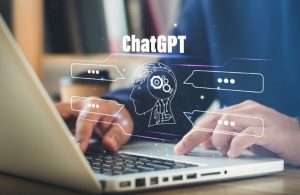
(ChatGPT-generated post about a Community and Library working together)

My initial reaction to this idea was that it challenges a common instinct. When organizations face budget cuts, staffing shortages, or uncertainty, the natural response is often to focus only on maintaining basic services. However, the article suggests that libraries should continue reaching outward and engaging with their communities, even during difficult times. Rather than relying solely on traditional assumptions about what patrons need, libraries can use participatory approaches to develop programs and services that are directly informed by the people they serve.

One of the reasons this theme stands out to me is because it emphasizes adaptability and collaboration. The reading highlights that libraries do not have to face challenges alone. By inviting community members to share their perspectives, experiences, and ideas, libraries can create services that are more responsive and meaningful. This approach recognizes that communities are constantly changing, and libraries must remain flexible if they want to continue meeting people’s needs.

The concept of participatory service has also shaped my perspective on learning and community. Learning is not something that happens in isolation; it often develops through interaction, conversation, and collaboration with others. Participatory service reflects this idea by encouraging libraries to create opportunities for community members to contribute rather than simply receive services. This creates a more inclusive environment where people feel valued and invested in the library’s success.

One aspect of the reading that particularly resonated with me was the discussion of moving from passive librarianship to active librarianship. Libraries that intentionally reach out to understand community needs are better positioned to create meaningful services and programs. This idea aligns closely with the Hyperlinked Library model, which emphasizes connection, responsiveness, transparency, and user-centered service. Libraries become stronger when they view community members not just as patrons but as partners in shaping services and programs.

I can connect this concept to my own experiences in collaborative environments. Some of the most effective groups and organizations I have been involved with were those that actively sought feedback and adjusted their practices based on what people needed. In contrast, organizations that relied only on internal decision-making often struggled to remain relevant. Participatory service recognizes that valuable knowledge exists throughout the community, not just within an institution’s leadership structure. When people feel heard and involved, they are more likely to support and engage with the organization.

This concept also connects strongly to my current role as an academic advisor. Much of my work involves listening to students, understanding their unique circumstances, and helping them navigate challenges that may affect their academic success. The most effective advising conversations are not one-sided; they require collaboration, trust, and a willingness to understand individual needs rather than relying on assumptions. In many ways, this mirrors the principles of participatory service. Just as advisors work with students to identify goals and solutions, libraries can work with community members to develop services that reflect their experiences and needs. Looking toward my future career goals, I am especially interested in serving incarcerated individuals through library and information services. Participatory service feels particularly relevant in that context because incarcerated populations are often excluded from conversations about the resources and programs designed for them. By listening to their perspectives and involving them in the development of services, libraries can create more meaningful opportunities for education, personal growth, and access to information.

Another question this reading raised for me is how libraries can balance innovation with limited resources. Participatory service sounds ideal in theory, but implementing it requires time, staff commitment, and ongoing communication with community members. The article made me realize that participation is not a one-time event but an ongoing process of listening and responding. This challenged me to think more deeply about how libraries can sustain meaningful community engagement while managing practical limitations. As I continue through the Hyperlinked Library course, I am interested in learning more about strategies that libraries use to maintain participation while adapting to changing technologies, demographics, and community expectations.

I also see this theme appearing in many modern libraries today. Makerspaces, community-led programming, user-generated content projects, and collaborative learning opportunities all reflect participatory principles. These initiatives recognize that learning is not simply delivered by libraries; it is created through interaction, participation, and shared experiences. The article argues that libraries should continue evolving and responding to changing community needs rather than retreating into familiar routines. That message feels especially relevant in today’s rapidly changing information environment.

Overall, the theme of participatory service stands out because it redefines the relationship between libraries and the communities they serve. Rather than acting solely as providers of information, libraries can become facilitators of collaboration, learning, and community problem-solving. The reading reinforced my belief that libraries remain most valuable when they listen, adapt, and work alongside their communities, especially during times of change and uncertainty. As I continue exploring the Hyperlinked Library model, I expect my understanding of participation, transparency, and community engagement to continue evolving, and I look forward to discovering how these ideas can shape the future of libraries.

References

Casey, M. (2011, October 20). Revisiting participatory service in trying times. Tame the Web. https://tametheweb.com/2011/10/20/revisiting-participatory-service-in-trying-times-a-ttw-guest-post-by-michael-casey/

Stephens, M. (2026). Module 4: Participatory service & transparency. The Hyperlinked Library, San José State University School of Information. https://287.hyperlib.sjsu.edu/module-4-participatory-service-transparency/

The video Public Libraries Remain Vital to the Community, but Need Public Support helped me better understand the idea of participatory service. What stood out to me was the reminder that libraries and communities depend on each other. Libraries provide resources, support, and opportunities for learning, but they also need community involvement to grow and remain relevant. This connects to the reading because it shows that successful libraries are built through collaboration, listening, and shared responsibility. As someone interested in serving underserved populations, including incarcerated individuals, the video reinforced my belief that strong library services begin with understanding and responding to the needs of the people being served (WCVB Channel 5 Boston, 2024).

WCVB Channel 5 Boston. (2024, September 16). Public libraries remain vital to the community, but need public support [Video]. YouTube. https://www.youtube.com/watch?v=DYlojpRVauM

Hello INFO 287!

I’m excited to be a part of the  #hyperlib Learning Community Sites.

My name is Dawn Khepri. I am a Coptic Egyptian-American person living in Tacoma, Washington. I moved here about a year and a half ago from Humboldt, California. My family all decided to move to Tacoma all at the same time. My brother did a lot of research before deciding this is where we would all live. He factored in cost, growth, climate change, distance to the outdoors, and distance to a big city like Seattle.

I live with my wonderful partner, Ryan. We love going to farmers markets all over Western Washington. We are even taking time off work to attend a Thursday market in Downtown Tacoma. Our favorite walk is the Tacoma Nature Conservatory, though it is a little mosquito-heavy this time of year.

We both work at Tacoma Community College as Academic Advisors, where we met. I have a caseload of about 400 students. I love them all, even the most frustrated students. It’s so rewarding to help community college students overcome their initial barriers to entering the academic world.

My favorite snack is the picked crab meat at our local Metropolitan Market. The food in Tacoma is great, and the food in Seattle is even better. I love exploring new restaurants, even if some aren’t the best.

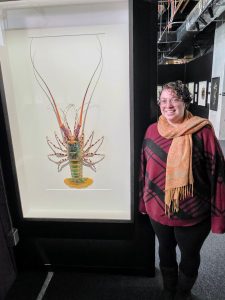
There are also tons of exhibits and art galleries to explore in the Seattle/Tacoma area. We recently went to the exquisite creatures exhibit. So many creatures I didn’t know could be so beautiful. We love going to local classes as well, like bonsai tree and sushi making.

I studied English Literature at Cal Poly Humboldt for my undergraduate degree and my associate’s degree at College of the Redwoods. I worked in Adult Education during my Associate’s degree at College of the Redwoods, where I formed a passion for serving incarcerated students. I hope to eventually land a job working as a librarian and archivist for a correctional facility.

If you made it this far, thanks for reading a little about me, and I look forward to reading a little about you all!

Exquisite Creatures Exhibit in Seattle

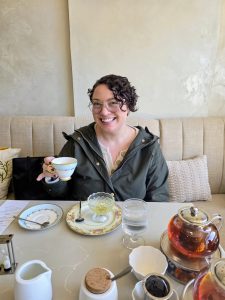
Full tea service in Portland

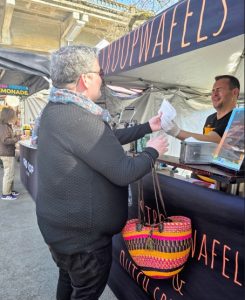
Ryan at the Portland Farmers Market

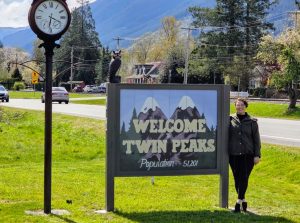
Twin Peaks Sign by Leavenworth, WA

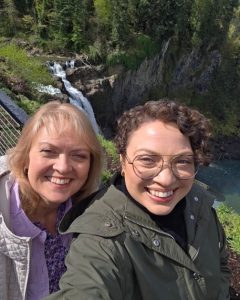
The Twin Peaks intro waterfall in Washington with Mom

© 2026 Dawn Khepri

Theme by Anders NorenUp ↑