Month: July 2026

Hyperlinked Symposium! 

From Supporting Students to Building Hyperlinked Communities

As I look back over my journey through INFO 287: The Hyperlinked Library, at the beginning of the semester, I saw libraries primarily as places that provide access to information. Today, I see them as living, evolving communities that create connections, remove barriers, and empower people through participation, collaboration, and lifelong learning.

Reading back through my reflection blogs, I noticed three themes that continued to grow throughout the course: community-centered service, learning through participation, and designing libraries around people rather than collections.

Best Of #1: Hyperlinked Communities → Meeting People Where They Are

One of the first ideas that truly stayed with me came from learning about the Wash & Learn Pop-Up Library. I wrote that libraries should not wait for people to come through their doors. They should meet people where they already gather. Whether that is a laundromat, park, community center, or correctional facility, library services become more meaningful when they fit naturally into people’s daily lives.

This reflection challenged my assumptions about what a library can be. I began to see outreach not as an extra service, but as an essential part of equitable librarianship. As someone who hopes to work with underserved populations, particularly incarcerated individuals, this idea resonated deeply. Access to information should never depend solely on someone’s ability to enter a library building.


Best Of #2: Participatory Service → Listening Before Leading

Another turning point came while reflecting on participatory service. I was struck by the idea that libraries should continue innovating, even during difficult times. Instead of retreating during periods of uncertainty, libraries can strengthen relationships with their communities by inviting participation and shared decision-making.

Before this course, I often viewed libraries as organizations that identify needs and then create services to meet them. Now I understand that the strongest services are developed with communities rather than for them.

This idea also connected closely with my work as an Academic Advisor at Tacoma Community College. Every day, I help students overcome obstacles by listening first and then connecting them with resources that support their goals. The Hyperlinked Library model reminded me that effective librarianship and effective advising both begin with understanding the people we serve.

Best Of #3: Hyperlinked Environments → Spaces that Inspire Learning

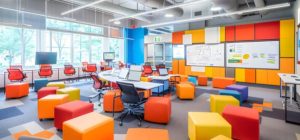
My reflection on the Hunt Library highlighted another important shift in my thinking. I originally focused on the impressive technology and architecture, but after deeper reflection, I realized those features are valuable because they support people, not because they are innovative on their own.

Libraries create opportunities for collaboration, creativity, and belonging when they intentionally design spaces around user needs. While Tacoma Community College may not have the same resources as North Carolina State University’s Hunt Library, both share the same purpose: helping students succeed through welcoming environments, supportive services, and opportunities to learn.

That realization changed how I think about innovation. Technology matters, but only when it strengthens human connections.

How My Thinking Changed

When I started this course, I mostly viewed libraries as places that provide resources.

Now I see them as:

  • Community partners instead of service providers.
  • Facilitators of participation rather than gatekeepers of information.
  • Flexible learning environments that continuously evolve alongside their communities.
  • Organizations that succeed by listening, adapting, and building relationships.

The biggest lesson I will carry forward is that people, not technology, are at the center of every successful library. Technology, buildings, and collections all matter, but they are only tools for creating meaningful human experiences.

Looking Ahead

This course strengthened my desire to become a librarian who serves communities that have historically experienced barriers to information access. My long-term goal of working in correctional libraries feels even more meaningful now because I understand that hyperlinked librarianship is fundamentally about inclusion, participation, and meeting people where they are.

Whether I continue working with community college students or eventually serve incarcerated learners, I hope to create library services that encourage curiosity, build trust, and make every individual feel that they belong.

Final Reflection

Perhaps the greatest takeaway from this semester is that a hyperlinked library is not defined by technology; it is defined by relationships.

Libraries thrive when they listen, collaborate, experiment, and remain responsive to the changing needs of their communities. Throughout this course, my perspective evolved from seeing libraries as repositories of knowledge to seeing them as catalysts for connection, lifelong learning, and social inclusion.

That shift in thinking is something I will carry with me throughout my career, wherever my path in librarianship leads.

Reflection Blog Infinite Learning Models: Learning Starts with Feeling Welcome

Learning Starts with Feeling Welcome

One thing that really stood out to me in the Learning Everywhere module was the idea of sensory spaces in libraries. Before this week, I honestly hadn’t thought much about how a person’s environment affects their ability to learn. I usually picture learning happening in classrooms, study rooms, or workshops. Seeing how libraries are creating sensory-friendly spaces made me realize that learning starts with feeling comfortable enough to participate.

The readings and videos about sensory spaces showed how libraries are making room for people with autism, sensory sensitivities, anxiety, or anyone who just needs a quiet place to take a break. I like that these spaces aren’t designed for only one group of people—they’re for anyone who could benefit from them. It made me think about how everyone learns differently, and libraries should reflect that instead of expecting everyone to fit the same mold.

What I found most interesting is that something as simple as a calm, welcoming space can have such a big impact. If someone feels overwhelmed or stressed, they’re probably not focused on learning something new. But if they have a place where they can relax and feel comfortable, they’re much more likely to join a program, explore the library, or even just stay a little longer. That’s a reminder that learning isn’t only about books or technology—it’s also about creating an environment where people feel like they belong.

This topic also changed the way I think about the role of librarians. We often think of librarians as people who help us find information, but they’re also creating experiences that make learning possible for everyone. Sometimes that means introducing new technology or offering creative programs. Other times, it means making small changes that help people feel included. Both are equally important.

As someone interested in working in libraries, this really stuck with me. I want to be part of creating spaces where people feel welcome no matter who they are or how they learn. This module reminded me that libraries aren’t just places to get information.

References

Public Libraries Connect. (2018). SL Blogs – Sensory Spaces.

Inspiration Report: Expanding Access Behind Bars: Technology-Enhanced Library Services in Correctional Facilities

Inspiration Report: Expanding Access Behind Bars: Technology-Enhanced Library Services in Correctional Facilities

Focus Area: Tech & Trends

Prepared for: Library Director and Administrative Leadership Team

Executive Summary

Correctional libraries are often overlooked in discussions about library innovation, yet they play a critical role in promoting education, rehabilitation, and lifelong learning. As correctional institutions adopt secure digital technologies, prison libraries have an opportunity to expand access to educational resources, legal information, and literacy programs while maintaining institutional safety.

This report explores how technology-enhanced library services are reshaping correctional librarianship. It examines the history of prison libraries, emerging technologies such as secure tablets and digital collections, and the opportunities and challenges of implementing these services. While security, funding, and censorship remain significant concerns, carefully planned technology initiatives can improve educational outcomes, support successful reentry into society, and reinforce the library’s mission of equitable access to information.

Recommendation: Explore a phased implementation of secure digital library services that complement existing print collections, strengthen educational partnerships, and prioritize privacy, accessibility, and ethical information practices.

Introduction

Libraries exist to provide equitable access to information, support lifelong learning, and strengthen communities. These values remain just as important within correctional facilities, where many incarcerated individuals face limited educational opportunities, low literacy levels, and restricted access to information.

Correctional libraries have traditionally relied on print collections, but advances in secure educational technology now allow libraries to offer digital learning tools without compromising institutional security. Technology-enhanced services—including secure tablets, offline digital libraries, educational platforms, and electronic legal resources—are expanding opportunities for learning while preparing incarcerated individuals for successful reintegration into society.

I selected this topic because it demonstrates how emerging technologies can serve one of the most underserved populations while remaining consistent with the core values of librarianship: intellectual freedom, equitable access, education, and community service.

Understanding Correctional Librarianship

Correctional librarianship is a specialized area of library and information science that provides information services to individuals housed in prisons, jails, and juvenile detention centers. Beyond circulating books, correctional librarians support literacy, legal research, educational programming, vocational training, and recreational reading.

Unlike traditional public libraries, correctional libraries operate within highly regulated environments where security policies shape every aspect of service delivery. Librarians must balance open access to information with institutional rules designed to maintain safety.

Origins of Prison Libraries

Prison libraries have existed for more than a century. Early collections often focused on religious texts and moral instruction, reflecting the belief that reading could encourage personal reform. During the twentieth century, correctional education expanded to include literacy programs, vocational training, and access to a broader range of reading materials.

Today, professional organizations such as the American Library Association (ALA) and the International Federation of Library Associations and Institutions (IFLA) recognize access to library services as an important component of rehabilitation and lifelong learning. Modern correctional libraries increasingly emphasize education, digital literacy, and preparation for life after incarceration.

Emerging Technologies in Correctional Libraries

Technology is changing how correctional libraries deliver services while respecting institutional security requirements.

Secure Educational Tablets

Many correctional facilities now issue secure tablets that provide controlled access to educational materials, e-books, legal resources, and self-paced learning modules. These devices typically operate on closed networks, preventing unrestricted internet access while expanding educational opportunities.

Digital Library Collections

Secure digital collections allow incarcerated individuals to borrow e-books, audiobooks, and educational resources without requiring physical materials. Digital collections also reduce wear on print resources and provide more flexible access.

Digital Literacy Programs

As many incarcerated individuals have limited experience with current technology, correctional libraries increasingly offer digital literacy instruction. Learning basic computer skills, navigating digital documents, and understanding online information are essential for successful reentry into today’s workforce and society.

Legal Information Resources

Correctional libraries often provide access to legal reference materials through secure electronic databases. Digital legal resources help individuals research their cases while ensuring that information remains current and searchable.

Educational Partnerships

Libraries collaborate with colleges, universities, and nonprofit organizations to provide online or offline educational content, vocational certifications, and college-level coursework using secure technology platforms.


Relevance to Library and Information Science

Technology-enhanced correctional libraries reflect several major themes discussed throughout INFO 287.

Participatory Service

Rather than offering only static collections, correctional libraries increasingly respond to learner interests and educational goals by expanding access to digital resources, personalized learning, and skill development.

User-Centered Design

Technology is selected based on the specific needs of incarcerated learners, emphasizing accessibility, usability, and educational value within a secure environment.

Lifelong Learning

Correctional libraries support continuous learning through literacy instruction, workforce preparation, vocational education, and independent study.

Digital Inclusion

Many incarcerated individuals have experienced limited access to technology. Secure digital library services help reduce the digital divide by developing essential technological competencies before release.


Benefits

Technology-enhanced correctional libraries offer numerous benefits for individuals, correctional institutions, and society.

Expanded Educational Opportunities

Digital resources increase access to GED preparation, vocational education, college courses, language learning, and career development materials.

Improved Rehabilitation

Research consistently demonstrates that educational participation during incarceration contributes to personal growth and can reduce recidivism.

Workforce Preparation

Digital literacy is increasingly necessary for employment. Library-supported technology instruction helps individuals build skills needed for modern workplaces.

Increased Access to Information

Secure digital collections allow libraries to provide more current resources while expanding the variety of available materials.

Operational Efficiency

Electronic resources reduce physical handling of materials, simplify collection management, and improve access for incarcerated individuals.

Challenges and Ethical Considerations

Despite their promise, technology-enhanced correctional libraries face significant challenges.

Security

Correctional institutions must carefully manage digital access to prevent unauthorized communication, cybercrime, or misuse of technology. Secure networks and carefully controlled devices are essential.

Funding

Technology infrastructure, software licenses, and ongoing maintenance require substantial financial investment. Many correctional libraries operate with limited budgets.

Intellectual Freedom and Censorship

Correctional libraries must balance institutional safety with the professional responsibility to provide diverse information resources. Decisions regarding restricted materials require careful ethical consideration.

Privacy

Digital systems collect user data. Libraries should protect patron confidentiality and minimize unnecessary collection of personal information.

Equity

Technology should complement—not replace—traditional library services. Print collections remain essential for individuals with varying literacy levels, learning preferences, or accessibility needs.

Real-World Examples

Several correctional systems have begun integrating technology into library and educational services.

Many state departments of corrections partner with secure educational tablet providers to deliver digital books, educational content, legal resources, and vocational training. Organizations such as Edovo provide secure learning platforms that include literacy instruction, life skills, and workforce development materials.

College partnerships have also expanded opportunities for incarcerated learners through digital course materials and distance education, particularly following the restoration of Pell Grant eligibility for many incarcerated students in the United States.

These initiatives demonstrate that technology can expand educational opportunities while operating within correctional security requirements.

Recommendations for Implementation

If our library system were to partner with a nearby correctional facility, I would recommend a phased implementation strategy.

Phase 1: Needs Assessment

  • Evaluate educational needs and existing technology infrastructure.
  • Consult correctional staff, educators, librarians, and incarcerated learners.

Phase 2: Pilot Program

  • Introduce secure tablets with educational content, e-books, and legal reference materials.
  • Maintain existing print collections alongside digital services.

Phase 3: Staff Training

  • Train librarians and correctional staff on digital platforms, privacy practices, and accessibility.

Phase 4: Evaluation

  • Measure participation, educational outcomes, user satisfaction, and operational effectiveness.
  • Gather feedback from both staff and incarcerated learners.

Phase 5: Expansion

  • Expand digital collections and educational partnerships based on pilot results while continuing to review ethical and security considerations.

Reflection

Throughout this course, I have come to view libraries not simply as places that store information but as institutions that actively promote equity, lifelong learning, and community engagement. Exploring correctional librarianship challenged me to think about who libraries serve and how technology can extend opportunities to populations that are often overlooked.

Technology alone cannot solve the complex challenges faced by correctional facilities. However, when implemented thoughtfully and ethically, technology-enhanced library services can support education, personal growth, and successful reintegration. This topic reinforced my belief that innovation in libraries should always be guided by the profession’s core values: access, inclusion, intellectual freedom, and service.

Conclusion

Technology-enhanced correctional libraries demonstrate that innovation in librarianship is not limited to public or academic settings. Secure digital services can expand educational access, strengthen digital literacy, and support rehabilitation while respecting institutional security requirements.

By investing in thoughtfully designed technology initiatives, correctional libraries can help individuals build knowledge, develop workforce skills, and prepare for successful reentry into society. Although challenges related to funding, privacy, and censorship remain, these obstacles can be addressed through careful planning, ethical decision-making, and collaboration among librarians, educators, and correctional administrators.

As libraries continue to embrace emerging technologies, correctional librarianship reminds us that equitable access to information should extend to every community—including those behind prison walls.

References

American Library Association. (2024). Prison and Reentry Libraries.

American Library Association. Core Values of Librarianship.

International Federation of Library Associations and Institutions. (2023). Guidelines for Library Services to Prisoners.

Lehmann, V., & Locke, J. Guidelines for Library Services to Prisoners.

Edovo. https://www.edovo.org

Correctional Education Association. https://www.ceanational.org

Institute of Museum and Library Services. Library Services and Technology Act.

Federal Bureau of Prisons. Education Services.

Davis, L. M., et al. (2013). Evaluating the Effectiveness of Correctional Education. RAND Corporation.

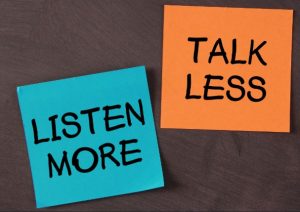
Reflection the Power of Stories: Why People’s Stories Matter in Libraries

Reflection: Why People’s Stories Matter in Libraries

One of the readings that really caught my attention this week was “Sharing People’s Stories” from American Libraries Magazine. Before reading it, I never really thought about libraries being places where people record and preserve their own personal stories. I usually think of libraries as places to borrow books or do research, but this article reminded me that they’re also places where communities can share their history and experiences.

The article talks about StoryCorps, a nonprofit that works with libraries to record conversations between family members, friends, and loved ones. Those interviews are then preserved so future generations can listen to them. I thought that was a really meaningful idea because everyone’s story matters, even if they don’t think it’s important. Sometimes it’s the everyday stories that end up teaching us the most about history and people’s lives (Eberhart, 2018).

What stood out to me the most was the idea that libraries aren’t just collecting books anymore—they’re collecting memories. That made me think about all the different voices that don’t always get included in history books. By giving people a chance to tell their own stories, libraries can help make sure those experiences aren’t forgotten. It also creates a stronger connection between the library and the community because people get to see themselves represented.

I also liked that the article described storytelling as a way for libraries to bring people together. We spend so much time communicating through texts and social media that we sometimes forget how powerful it is to sit down and have a real conversation with someone. Recording those conversations helps preserve not only facts, but emotions, relationships, and personal experiences that might otherwise disappear over time.

As someone who wants to work in libraries, this reading reminded me that being a librarian is about more than organizing information. It’s also about helping people feel heard and making sure their stories have a place. I think that’s a really special part of librarianship that often gets overlooked.

Overall, this reading made me appreciate libraries in a different way. They’re not just places that protect information from the past—they’re also helping create history for the future by giving everyday people a voice.

If your library started a StoryCorps project, whose story would you want to preserve first, and why?

Eberhart, G. M. (2018, February 10). Sharing people’s stories. American Libraries Magazine. https://americanlibrariesmagazine.org/blogs/the-scoop/sharing-peoples-stories/

Reflection New Horizons: Thinking About ChatGPT and Libraries

Reflection New Horizons: Thinking About ChatGPT and Libraries

This week’s module made me think a lot about how AI is changing the way people learn and find information. The resource that stood out to me the most was “Chatting with ChatGPT: Deep Dive in Five with Tom Moriarty.” I liked that Moriarty didn’t make AI seem like it’s either amazing or terrible. Instead, he talked about it as a tool that can be really helpful if people know how to use it the right way.

One thing that stuck with me was his point that ChatGPT can help people get started with ideas or save time, but it can’t replace human creativity or personal experiences. I think that’s true. I’ve used ChatGPT to help organize my thoughts or explain difficult topics, but I still feel like I learn the most when I take the time to think through assignments myself. Writing things in my own words helps me understand the material a lot better.

Reading this also made me think about what libraries might look like in the future. I think librarians are going to have an even bigger role in teaching people how to use AI responsibly. It’s not just about showing someone how to use ChatGPT, but also helping them figure out if the information it gives is actually accurate. Since AI can make mistakes or leave out important details, people still need to know how to fact-check and think critically. That feels like an important skill that libraries can help teach.

Another thing I kept thinking about is that technology keeps changing, but the purpose of libraries really doesn’t. Libraries are still about helping people learn, ask questions, and find trustworthy information. AI is just another tool that librarians can use alongside everything else. I don’t think it replaces librarians—it just changes some of the ways they help their communities.

Overall, this week’s module made me feel more curious than worried about AI. I know it’s going to become a bigger part of everyday life, so I’d rather learn how to use it well than ignore it. As someone who wants to work in libraries, I think it’s important to stay open to new technology while remembering that people, not AI, are still at the center of library services.

Moriarty, T. (2023, February 23). Chatting with ChatGPT: Deep dive in five with Tom Moriarty. SJSU NewsCenter. https://blogs.sjsu.edu/newsroom/2023/chatting-with-chat-gpt-deep-dive-in-five-with-tom-moriarty/

Innovation Roadmap: Cook, Learn, Connect – A Library Teaching Kitchen Initiative

Innovation Roadmap: Cook, Learn, Connect – A Library Teaching Kitchen Initiative

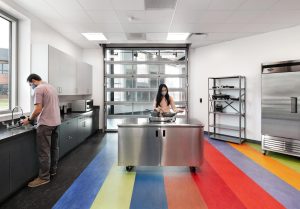
(Examples of teaching kitchens in community and library settings. From Edmonton Public Library – The Kitchen, Salt Lake County Library’s Create Kitchen, and the Salt City Market Teaching Kitchen. These examples demonstrate how libraries and community organizations can use kitchen spaces to promote lifelong learning and food literacy.)

What is the Idea?

Cook, Learn, Connect is a community teaching kitchen and food literacy program housed within the public library. The program combines cooking demonstrations, nutrition education, digital learning, and partnerships with local food banks to help community members build confidence in preparing healthy, affordable meals (Feeding America, https://www.feedingamerica.org).

The library will transform an underused meeting room into a flexible teaching kitchen equipped with portable cooking stations, tablets, and audiovisual equipment for live and recorded demonstrations. Programs will focus on preparing nutritious meals using common food pantry ingredients, reducing food waste, budgeting for groceries, and celebrating cultural food traditions (Colorado State University Extension, https://extension.colostate.edu).

The primary audience includes low-income families, college students, seniors, new parents, and anyone experiencing food insecurity or seeking practical cooking skills. By partnering with local food banks, public health organizations, cooperative extension programs, and volunteer chefs, the library can provide both educational programming and access to community resources (No Kid Hungry, https://www.nokidhungry.org).

Rather than simply providing food, the program empowers patrons with lifelong skills that improve food security, health literacy, digital literacy, and community connection.


Mission & Institutional Context

Public libraries exist to provide equitable access to information, lifelong learning opportunities, and services that strengthen their communities. As food insecurity, rising grocery costs, and health disparities continue to affect many households, libraries are increasingly serving as trusted community hubs that connect people with essential resources (Feeding America, https://www.feedingamerica.org).

Cook, Learn, Connect aligns with the library’s mission by expanding traditional literacy into food literacy and health literacy. It supports community wellness while encouraging participation, collaboration, and lifelong learning.

The timing is appropriate because many libraries already partner with food banks, but relatively few combine food assistance with educational programming that helps patrons build long-term confidence and independence (No Kid Hungry, https://www.nokidhungry.org). Instead of focusing on technology for its own sake, this innovation uses digital tools only where they enhance learning and accessibility, reflecting a sustainable, mission-driven approach to innovation.


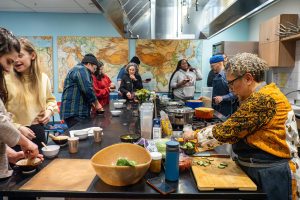
(Community members participate in a hands-on cooking workshop. Teaching kitchens encourage collaboration, practical skill development, and community engagement, which aligns closely with the goals of the Cook, Learn, Connect initiative. Source: City of Oakland Community Grant Program.)

Action Brief Statement

For Patrons

Convince community members that by participating in Cook, Learn, Connect they will discover practical cooking skills, affordable recipes, and community food resources, which will increase their confidence in preparing healthy meals because the library is committed to lifelong learning, equitable access, and improving quality of life.

For Staff

Convince library staff that by supporting Cook, Learn, Connect they will strengthen the library’s role as a trusted community partner, which will increase meaningful engagement and community impact because libraries help people access knowledge that improves everyday life.


Where Did I Find Inspiration?


Planning Discussion

Guidelines & Policies

  • Develop food safety procedures that comply with local health regulations.
  • Establish partnership agreements with local food banks and community organizations.
  • Create allergy and ingredient disclosure policies for all demonstrations.
  • Ensure accessibility by offering adaptive cooking equipment and multilingual instructional materials.
  • Record demonstrations with captioning for patrons unable to attend in person.
  • Protect patron privacy during program registration and surveys.
  • Clearly define volunteer responsibilities and staff supervision.
  • Ensure all recipes remain affordable and use commonly available ingredients.
  • Develop procedures for handling donated food and equipment.
  • Seek approval from library administration, legal counsel, public health officials, and partner organizations before launch (Colorado State University Extension, https://extension.colostate.edu).

(The Create Kitchen at Salt Lake County Library demonstrates how libraries are expanding beyond traditional collections to provide experiential learning spaces where patrons can develop life skills through cooking and community programming.)

Timeline for Implementation

Months 1–2: Planning

  • Assess community interest through surveys.
  • Meet with food banks and community partners.
  • Identify available space.
  • Develop budget and purchase equipment.

Months 3–4: Development

  • Purchase portable cooking equipment.
  • Create educational materials.
  • Develop program schedule.
  • Train staff and volunteers.
  • Test audiovisual technology.

Month 5: Pilot Program

  • Host two or three pilot cooking classes.
  • Collect participant feedback.
  • Refine curriculum and logistics.

Month 6: Public Launch

  • Begin monthly cooking workshops.
  • Introduce nutrition education sessions.
  • Launch online recipe library.

Months 7–12

  • Expand programming.
  • Add family cooking nights and cultural cooking events.
  • Evaluate outcomes and explore additional partnerships.

Marketing & Promotion

Marketing should emphasize that the library is a place to learn practical life skills, connect with neighbors, and discover community resources.

Promotion strategies include:

  • Social media posts featuring recipes and upcoming classes.
  • Library website calendar and newsletter.
  • Posters throughout the library and community centers.
  • Partnerships with food banks, schools, health clinics, and local colleges.
  • Flyers distributed with food pantry packages.
  • Local newspaper and community radio announcements.
  • Cooking demonstration videos shared online.

The primary message:

“Learn to cook healthy, affordable meals. Connect with your community. Grow your confidence—at your library.”


Staff Training & Readiness

Library staff will receive training on:

  • Program goals and community partnerships.
  • Food safety basics.
  • Referral procedures for food assistance programs.
  • Cultural sensitivity and inclusive programming.
  • Operating audiovisual and presentation equipment.
  • Using tablets and digital recipe resources.
  • Accessibility accommodations for participants with disabilities.

Training partners may include:

  • Local food bank educators.
  • Public health nutritionists.
  • Cooperative Extension staff.
  • Volunteer chefs.
  • Community health organizations (Colorado State University Extension, https://extension.colostate.edu).

Staff resources will include:

  • Program handbook.
  • Referral directory.
  • Frequently asked questions.
  • Safety checklist.
  • Lesson plans.
  • Technology guides.

Evaluation & Future Expansion

Success will be measured using both quantitative and qualitative data.

Performance benchmarks:

  • Number of participants.
  • Repeat attendance.
  • Community partnerships established.
  • Website visits to recipe resources.
  • Participant satisfaction surveys.
  • Self-reported increases in cooking confidence.
  • Growth in referrals to community food resources.

Success stories may include:

  • Families preparing healthier meals on a budget.
  • College students learning independent cooking skills.
  • Seniors building social connections through shared meals.
  • Participants discovering additional library services.

Feedback will be collected through surveys, focus groups, informal conversations, and partner meetings.

Future expansion opportunities include:

  • Mobile cooking demonstrations at community centers.
  • Youth summer cooking camps.
  • Garden-to-table programming with a library seed library.
  • Digital recipe database created by community members.
  • Livestreamed classes for remote participants.
  • Equipment lending kits featuring small kitchen appliances and cooking tools (No Kid Hungry, https://www.nokidhungry.org).

Reflection

Cook, Learn, Connect demonstrates that innovation is not simply adopting new technology—it is identifying community needs and thoughtfully using available tools to address them. By combining food literacy, digital resources, community partnerships, and lifelong learning, the library strengthens its role as an accessible and trusted community hub. This initiative reflects sustainable planning by focusing on measurable outcomes, collaboration, and long-term community impact rather than short-lived technological trends. This approach also aligns with the work of organizations such as Feeding America, Colorado State University Extension, and No Kid Hungry, which emphasize education, community partnerships, and equitable access to resources as key strategies for improving food security (Feeding America, https://www.feedingamerica.org; Colorado State University Extension, https://extension.colostate.edu; No Kid Hungry, https://www.nokidhungry.org).

© 2026 Dawn Khepri

Theme by Anders NorenUp ↑