From Supporting Students to Building Hyperlinked Communities
As I look back over my journey through INFO 287: The Hyperlinked Library, at the beginning of the semester, I saw libraries primarily as places that provide access to information. Today, I see them as living, evolving communities that create connections, remove barriers, and empower people through participation, collaboration, and lifelong learning.
Reading back through my reflection blogs, I noticed three themes that continued to grow throughout the course: community-centered service, learning through participation, and designing libraries around people rather than collections.
Best Of #1: Hyperlinked Communities → Meeting People Where They Are

One of the first ideas that truly stayed with me came from learning about the Wash & Learn Pop-Up Library. I wrote that libraries should not wait for people to come through their doors. They should meet people where they already gather. Whether that is a laundromat, park, community center, or correctional facility, library services become more meaningful when they fit naturally into people’s daily lives.
This reflection challenged my assumptions about what a library can be. I began to see outreach not as an extra service, but as an essential part of equitable librarianship. As someone who hopes to work with underserved populations, particularly incarcerated individuals, this idea resonated deeply. Access to information should never depend solely on someone’s ability to enter a library building.
Best Of #2: Participatory Service → Listening Before Leading
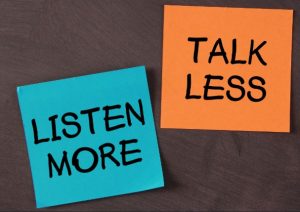 Another turning point came while reflecting on participatory service. I was struck by the idea that libraries should continue innovating, even during difficult times. Instead of retreating during periods of uncertainty, libraries can strengthen relationships with their communities by inviting participation and shared decision-making.
Before this course, I often viewed libraries as organizations that identify needs and then create services to meet them. Now I understand that the strongest services are developed with communities rather than for them.
This idea also connected closely with my work as an Academic Advisor at Tacoma Community College. Every day, I help students overcome obstacles by listening first and then connecting them with resources that support their goals. The Hyperlinked Library model reminded me that effective librarianship and effective advising both begin with understanding the people we serve.
Best Of #3: Hyperlinked Environments → Spaces that Inspire Learning
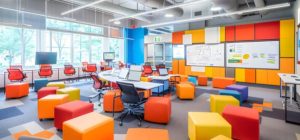
My reflection on the Hunt Library highlighted another important shift in my thinking. I originally focused on the impressive technology and architecture, but after deeper reflection, I realized those features are valuable because they support people, not because they are innovative on their own.
Libraries create opportunities for collaboration, creativity, and belonging when they intentionally design spaces around user needs. While Tacoma Community College may not have the same resources as North Carolina State University’s Hunt Library, both share the same purpose: helping students succeed through welcoming environments, supportive services, and opportunities to learn.
That realization changed how I think about innovation. Technology matters, but only when it strengthens human connections.
How My Thinking Changed
When I started this course, I mostly viewed libraries as places that provide resources.
Now I see them as:
- Community partners instead of service providers.
- Facilitators of participation rather than gatekeepers of information.
- Flexible learning environments that continuously evolve alongside their communities.
- Organizations that succeed by listening, adapting, and building relationships.
The biggest lesson I will carry forward is that people, not technology, are at the center of every successful library. Technology, buildings, and collections all matter, but they are only tools for creating meaningful human experiences.
Looking Ahead
This course strengthened my desire to become a librarian who serves communities that have historically experienced barriers to information access. My long-term goal of working in correctional libraries feels even more meaningful now because I understand that hyperlinked librarianship is fundamentally about inclusion, participation, and meeting people where they are.
Whether I continue working with community college students or eventually serve incarcerated learners, I hope to create library services that encourage curiosity, build trust, and make every individual feel that they belong.
Final Reflection
Perhaps the greatest takeaway from this semester is that a hyperlinked library is not defined by technology; it is defined by relationships.
Libraries thrive when they listen, collaborate, experiment, and remain responsive to the changing needs of their communities. Throughout this course, my perspective evolved from seeing libraries as repositories of knowledge to seeing them as catalysts for connection, lifelong learning, and social inclusion.
That shift in thinking is something I will carry with me throughout my career, wherever my path in librarianship leads.
Leave a Reply