
As a fan of participatory storytelling, I keep my eye (and camera) out for displays that invite the public to contribute glimpses into their own minds and lives. Below are just a few that I’ve documented in the last two years:
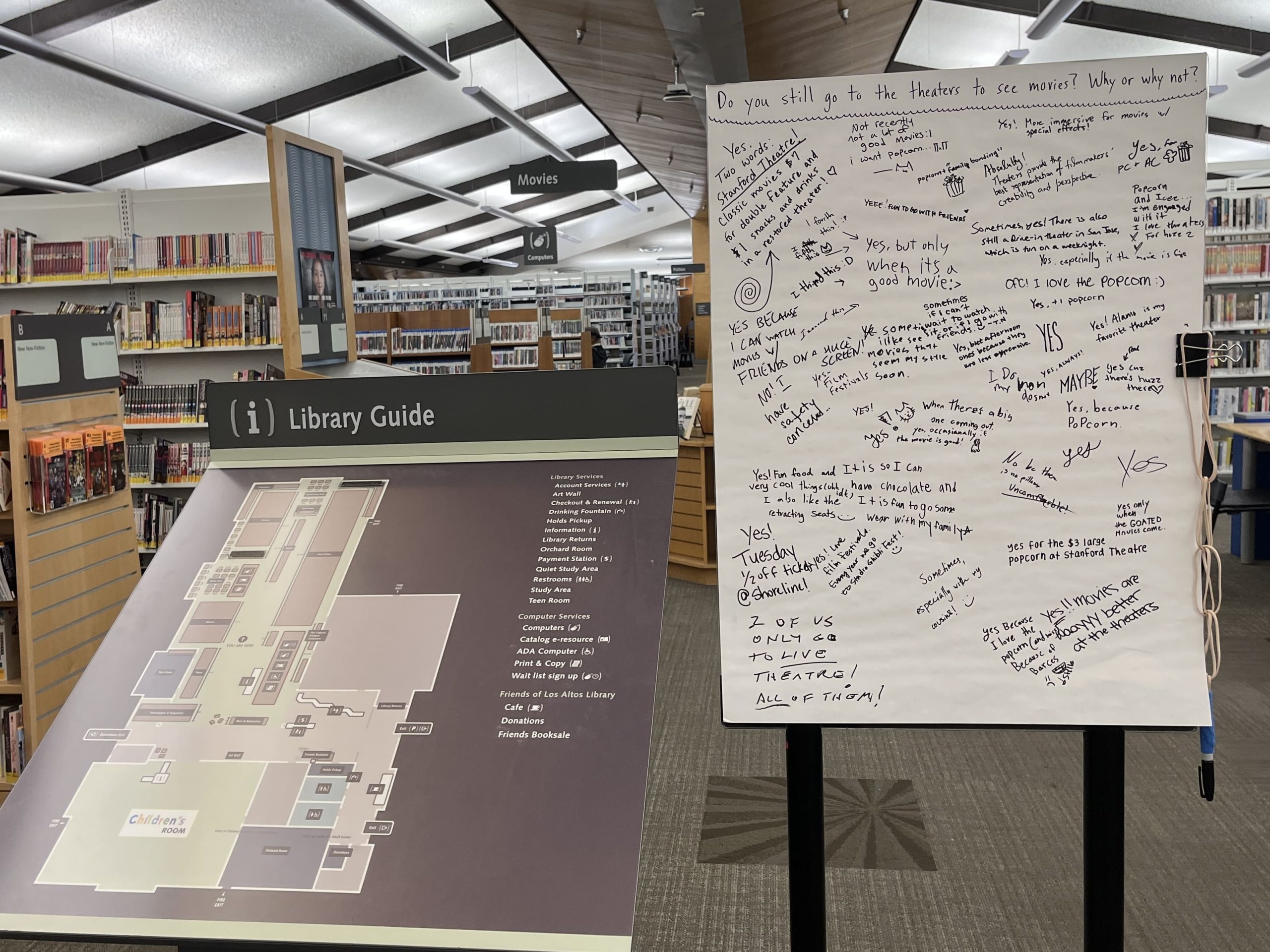
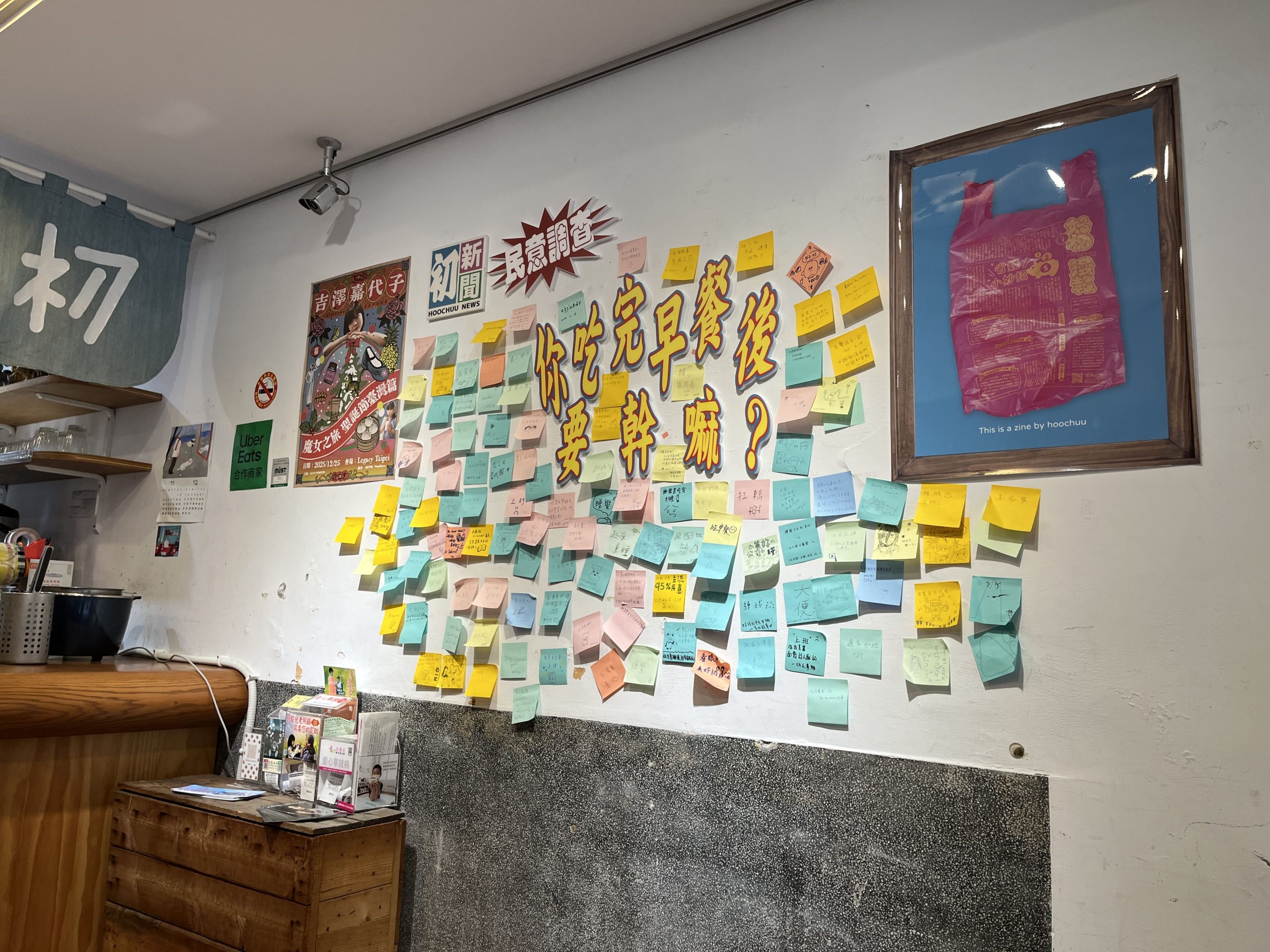
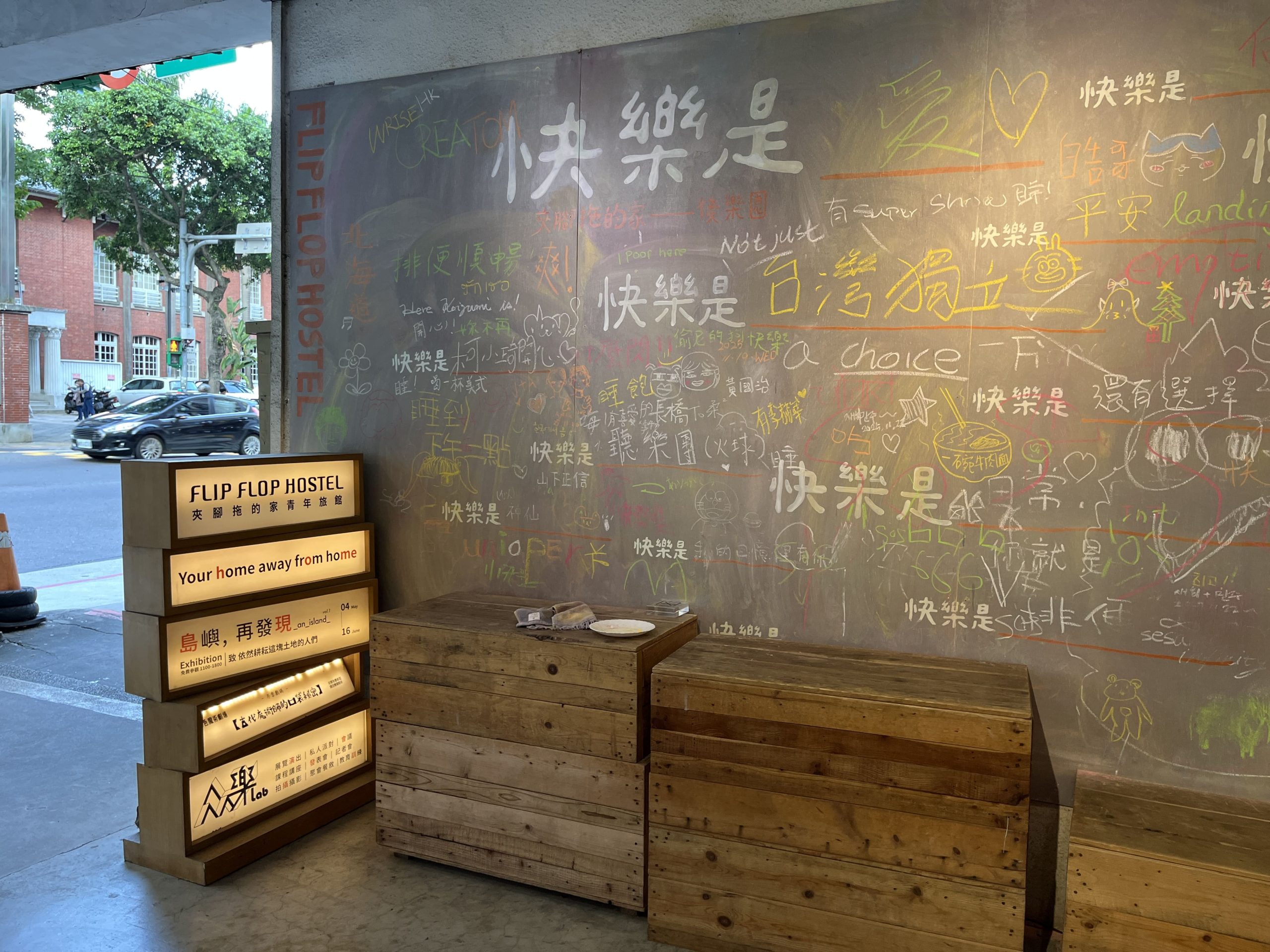
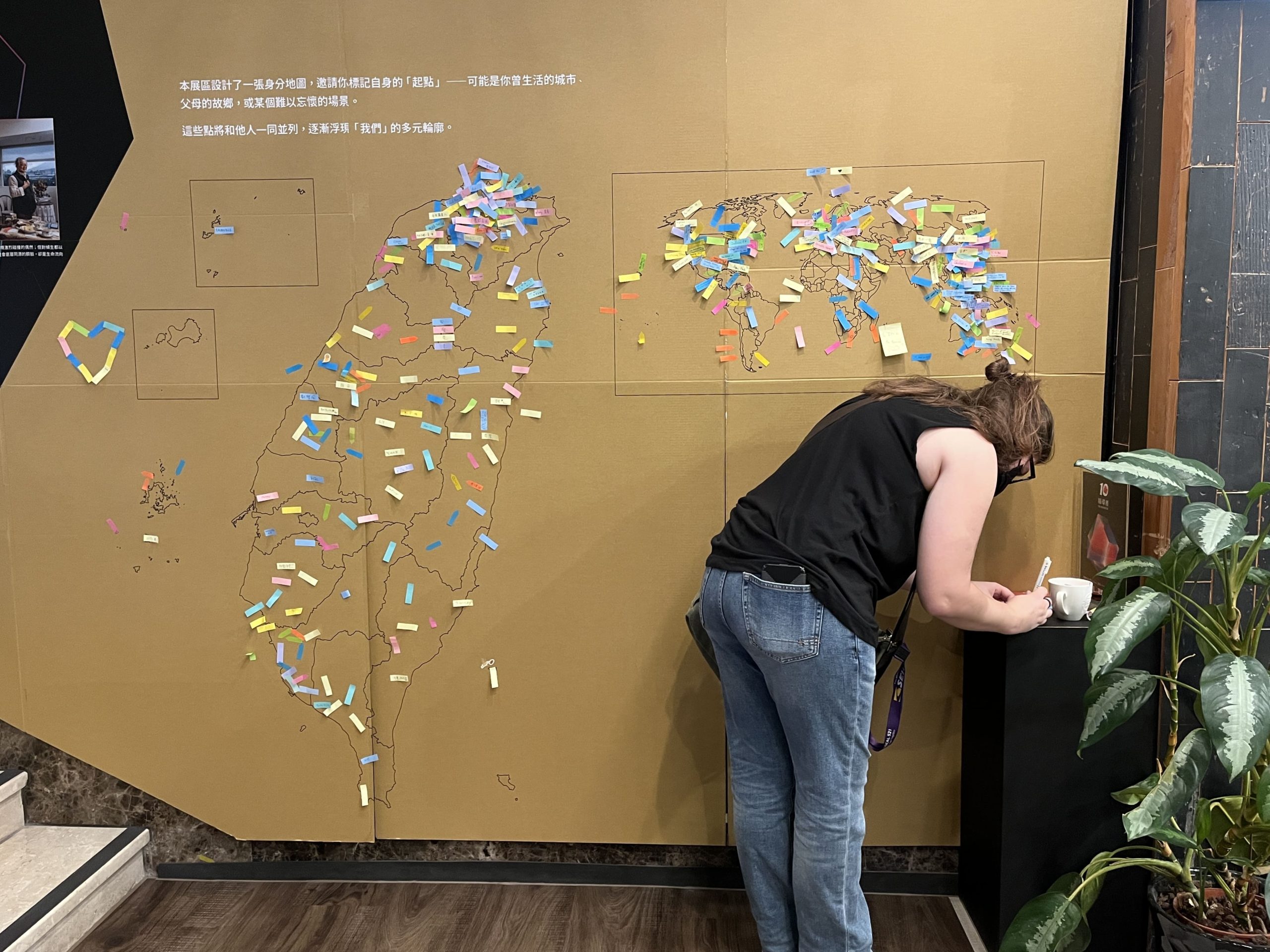
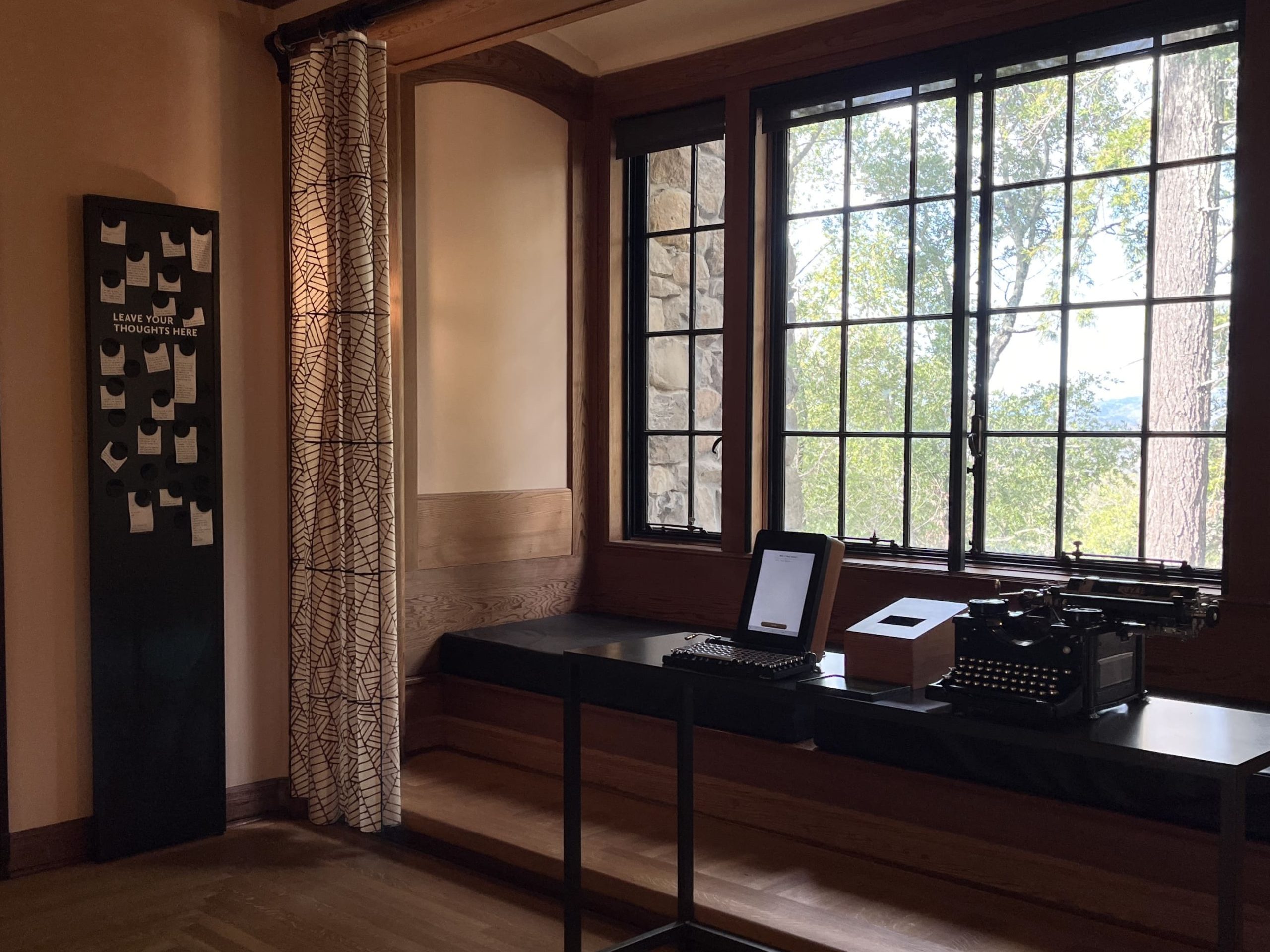
In addition to these personal examples, this module on the power of stories reminded me of social media projects such as Humans of New York and A View from a Bridge, as well as the popularity of street interview TikToks, all of which are a little less participatory for the general public but are able to offer deeper, more intimate looks at the lives of everyday strangers than small slips of paper.
Most crucially, however, this module reminded me that storytelling is most effective as a two-way experience—the audience’s participation is just as important as (if not more important than) the telling of the story. It can be easy to simply leave your own sticky note on a board and walk away, but you can stay to read the other responses. Still, these vignettes are often just too short to provide much insight into other people’s lives. And while putting your own story out there can make you feel like part of something bigger, you can connect better by engaging with the storytellers in person.
I think the importance of listening in the equation of storytelling is best exemplified by the Human Library, which has literally changed lives when “readers” interact with the human books (Ray, 2019). There’s value in meeting the storyteller in person too, as an individual, as opposed to simply hearing a recording of their story—it humanizes them. Reading about this project, however, also reminded me of the YouTube channel Jubilee, which often puts members of different groups in the same room (frequently it’s “liberals” vs. “conservatives”). Being first and foremost a YouTube channel means that Jubilee selects participants, structures conversations, and edits content to sensationalize topics for views—their methods are not without controversy, as demonstrated by the lengthy “Criticism” section on their Wikipedia page.
In spite of this, I still see the merit in having people “read human books” and converse with those from different backgrounds. These interactions should be genuine attempts at connection, not recorded and published for the attention economy. Such connection is especially important in this age of increasing loneliness (OSG, 2023), increasing polarization (Pew, 2022), and disappearing “third places” even before the COVID-19 pandemic (Finlay et al., 2019). I was sad to learn that the Reading Garden in Copenhagen had to close down when the majority of the Human Library’s 200+ U.S. partnerships ended because of DEI rollbacks here (Coe, 2025), but I hope that libraries and other organizations, in the U.S. and beyond, are able to run similar programs to better foster empathy within our communities, both because of and in spite of this.
References
Coe, J. (2025, October 24). People are ‘open books’ at Copenhagen’s Human Library. The World. Retrieved from https://theworld.org/stories/2025/10/24/people-are-open-books-at-copenhagens-human-library
Finlay, J., Esposito, M., Kim, M. H., Gomez-Lopez, I., & Clarke, P. (2019, November). Closure of ‘third places’? Exploring potential consequences for collective health and wellbeing. Health & Place, 60, Article 102225. https://doi-org.libaccess.sjlibrary.org/10.1016/j.healthplace.2019.102225
Office of the Surgeon General. (2023). Our epidemic of loneliness and isolation: The U.S. Surgeon General’s advisory on the healing effects of social connection and community. U.S. Department of Health and Human Services. https://www.ncbi.nlm.nih.gov/books/n/surgepidlonliness/pdf
Pew Research Center. (2022, August 9). As partisan hostility grows, signs of frustration with the two-party system [Report]. Retrieved from https://www.pewresearch.org/politics/2022/08/09/as-partisan-hostility-grows-signs-of-frustration-with-the-two-party-system
Ray, M. (2019, April 12). Courageous conversations at the Human Library. Next Avenue. Retrieved from https://web.archive.org/web/20250207220839/https://www.nextavenue.org/courageous-conversations-human-library
I really enjoyed reading your post. The compilation of participatory storytelling services across libraries was really cool to see. I recently went to an “immersive storytelling escape room” experience in LA that walked you through an imaginary woman’s memories. At the end, there was a room where we could write down a memory that we could still remember, but barely – almost as if it was about to slip away. I contributed and also read many, many other participants’ memories. Even though I had never met these folks, I felt close to them. The power of storytelling!
Thanks for sharing, @gbateman—that sounds like such a fun experience!