Reflection Blogging: Module 10 (The Power of Stories)

I knew that I wanted to write about the remarkable Listening Lab at St. Petersburg College as soon as I started reading the article! For starters, co-founder Chad Mairn was inspired to bring it to his library because he observed a need for it. He noted the difficulty with which patrons interacted with his library’s CD collection and was eager to make it more user-friendly. Best of all, he incorporated his own love of music and even donated from his personal collection to round it out.  

Mairn’s Listening Lab offers multiple formats of music including digital, CDs, and even vinyl records. I could not believe that patrons have access to a record player. I would be terrified of the equipment getting damaged. Which, is exactly what happens, and Maird appears to take it in stride. He describes the damage and starts working on how to fix the equipment and prevent it from happening again. I admire the trust that his library puts in its users to handle such precious equipment. I am sure no one goes in with the intention of breaking anything, and it creates an opportunity for them to learn how to operate it correctly in the future. 

I enjoyed the song map and the accompanying spotify list, which I quickly scoured for California songs. I also want to purchase some of the 33 1/3 series for myself and some friends. What fun resources to complement the library’s music offerings! 
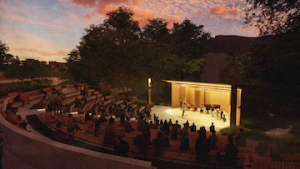
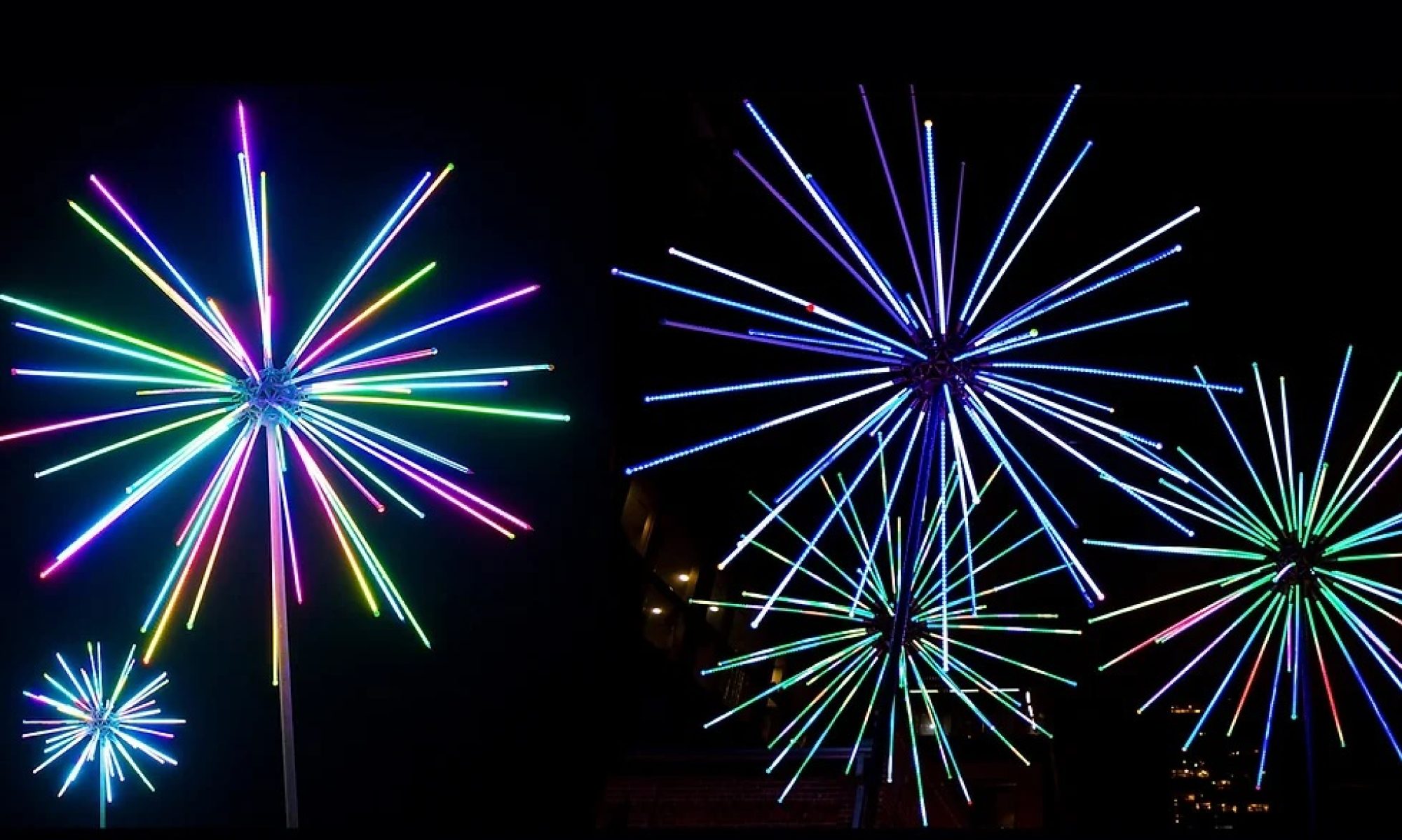
Viewpoint School amphitheater mockup (Courtesy of viewpoint.org)

I was impressed by Mairn’s ideas for future patron engagement, and it made me reflect on how I could possibly incorporate them into my library. For example, the “Tiny Desk”-style concerts would appeal to my campus because we have a ton of musically talented students. While it would take some brainstorming to host something in the library without inconveniencing students who will still want a quiet place to study, I could see us collaborating with music teachers or hosting somewhere else on campus. It just so happens that construction is underway for a new amphitheater right across from the library! It could be as casual or as blown-out as we want, and all of the K-12 campus could enjoy.  
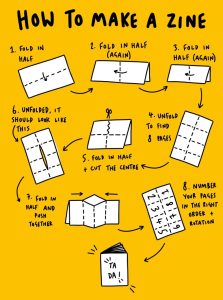
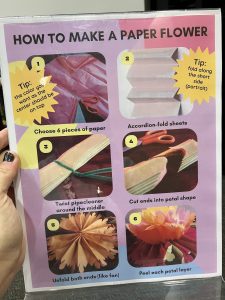
Look how easy it is! Courtesy of 42ndstreet.org.uk

I think zine-making would be fun as well, and had actually been considering that as a future programming idea for my own library. They could be displayed in the library and available for other students to browse. We could also ask students about their current music tastes and offer a listening party for an album of their choice, or curate a spotify playlist to play during our programming when applicable (maybe during zine-making!). Currently our program is very book-and reading-centric, but we are starting to branch out and I think music would be an awesome avenue to explore. 

Music is such a communal thing, whether you are participating in a jam session, a listening party, or just discussing your favorites. I could see my library creating a bulletin display based patrons submissions of their favorite song and any stories behind their choices. It would create an opportunity to learn about new music and share memories and impactful moments with each other, and as Mairn says, “libraries are all about discovery!”  

Reflection Blogging: Module 5 (Hyperlinked Communities)

For this reflection blog post, I was inspired by Beyond Buzzwords: Ten Invitations to Build Library Connection and Community by @michael. Specifically, number six: 

“Big plans matter. But so do quick gestures: a personalized reading suggestion, a kind reply on social media, a creative response to feedback. Sometimes a single conversation can shift someone’s view of what the library is. Sometimes a dog-eared note on a whiteboard invites a flood of community stories. Ask: What small moment will you make possible today?” 

I LIVE for small moments. At a time when “big moments” (particularly joyful ones) feel scarce, boy do I appreciate the small ones. I’m talkin’ my favorite song plays on the radio, my colleague surprises me with Starbucks, or a kindergartener asks me to read one of my favorite books to them (basically any Elephant & Piggie book by Mo Willems. Or Dog Vs. Strawberry by Nelly Buchet, because to properly read it aloud, one must use their best sports announcer voice. Add it to your read-aloud rotation asap). Creating that feeling for my patrons? That’s one of my favorite parts of the job! 

Added bonus of giving a read-aloud your all- the students will pick up on your joy and enthusiasm for reading! Effortless library fun.

Something I learned in a past course was that, in order for your patrons and your community to be invested in your library, they must be invested in you and your library staff. To me this means getting to know them and building a rapport, which is why I enjoy the hospitality aspect of library work. My boss is really good at this, and one reason is because she is gifted at small talk. It never stays small for long. She asks deeper, intentional questions early on and makes the conversation fun and meaningful, rather than surface-level. 

I admire her skill and I have tried my hand at it too, especially when I spot a lone, new student seeking refuge in the safe haven of the library. No one wants to be the person standing in a corner during orientation, snacking on a bagel by themselves. Yes, I did witness that scenario in my library and I was very happy to introduce myself and talk to the student! 

I love being able to greet students by name when they enter the library, and follow up on how they are doing. How did the test go that they studied for all last block? Are they ready for the next book in the series they are currently obsessed with? Maybe they recommend a new book we should add to our collection! I aim to congratulate as many students as I can on their great performance in the school musical over the weekend. The librarians love supporting the theatre program! All of these are examples of ways I can make students feel seen and valued at my library, and, as Stephens notes, “build connection and community.” 

Assignment X: Get With the Program(ming)

I was fired up by Jina DuVernay’s article, There is Joy for All: Tips for Joyous Library Programming. I thought YES! Exactly! I want my library to be a safe and fun space, and if we sprinkle a little participatory service in there while we are at it and invite the patrons to help us come up with cool stuff and useful resources, we are golden.

This year my colleagues and I are going to focus on fostering a love for libraries through fun programming and a newly designated “games and crafts zone” for our middle schoolers. For context, our school library is shared by middIe school and upper school students, so we designated a study area for upper schoolers, a study area/“laptop zone” for middle schoolers, and a games and crafts zone. The zones will mostly be enforced in the mornings before classes start, which is typically a busier time. 

My school’s policies state that middle school students are prohibited from using their phones at all during the school day, and they are not allowed to use their laptops for gaming or other non-academic purposes. Since we must also enforce these policies in the library, we are offering more screen-free alternatives.  

Two weeks into the school year it is going well, and I am excited to collaborate with students to find more ways to unplug and connect. We are keeping an eye on what seems to be popular, and asking students for game recommendations. 

So far the UNO cards have been taken out every morning, Rubiks cubes have been completed, and even the classic Etch-a-Sketch is getting some love. It is great to see students coming in at lunch as well to check out books, socialize with friends, and take a nice brain break with our games.


Past successful programming

We have tried little things like this in the past, like offering chess boards and puzzles, and one tissue paper flower craft. This year I get to personally spearhead new arts and crafts programming. I was born for this. 

“Joy is contagious, so if you exhibit joy in being at your library program, attendees will see and feel it” (DuVernay). 

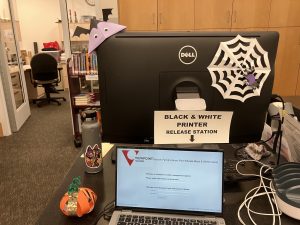
Spooky desk decor I made myself

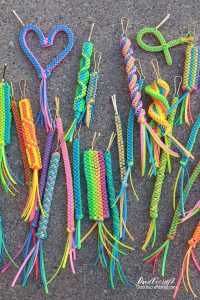
I spent my summer as a camp counselor leading the arts and crafts workshop, and I noticed that the student counselors enjoyed making lanyards and bracelets, so we are bringing them into the library. In his article Think Like a Start Up, Mathews states that three qualities that successful “products” (or programming) must have are “usability, feasibility, and value.”  

I chose the lanyards and bracelets because they are:

  • Easy 
  • Fast enough to be completed during a short lunch break or free block 
  • Relatively mess-free (if beads spill on the ground it is not the end of the world, at least they won’t stain) 
  • Already proven to be popular with middle schoolers over the summer 

On paper, this programming should be effective. I am excited to give it a try in the library and see what happens. 

It will take some trial and error to see what programming and activities are most successful. “We shouldn’t look at failure as finality, but rather as a test bed to help ideas evolve” (Mathews). I am eager to get ideas for programming and games from the students themselves, and honest feedback about what works and what does not. I want them to know that their opinions are valued, so they can help the library invest time, money, and energy into things that they will actually use and enjoy!