Riding Through Memory
The Power of Stories in a Public Transit Special Library and Archive
Focus Area: The Power of Stories
Prepared for: Library Director & Archives Leadership Team
INFO 287 — The Hyperlinked Library
Objective
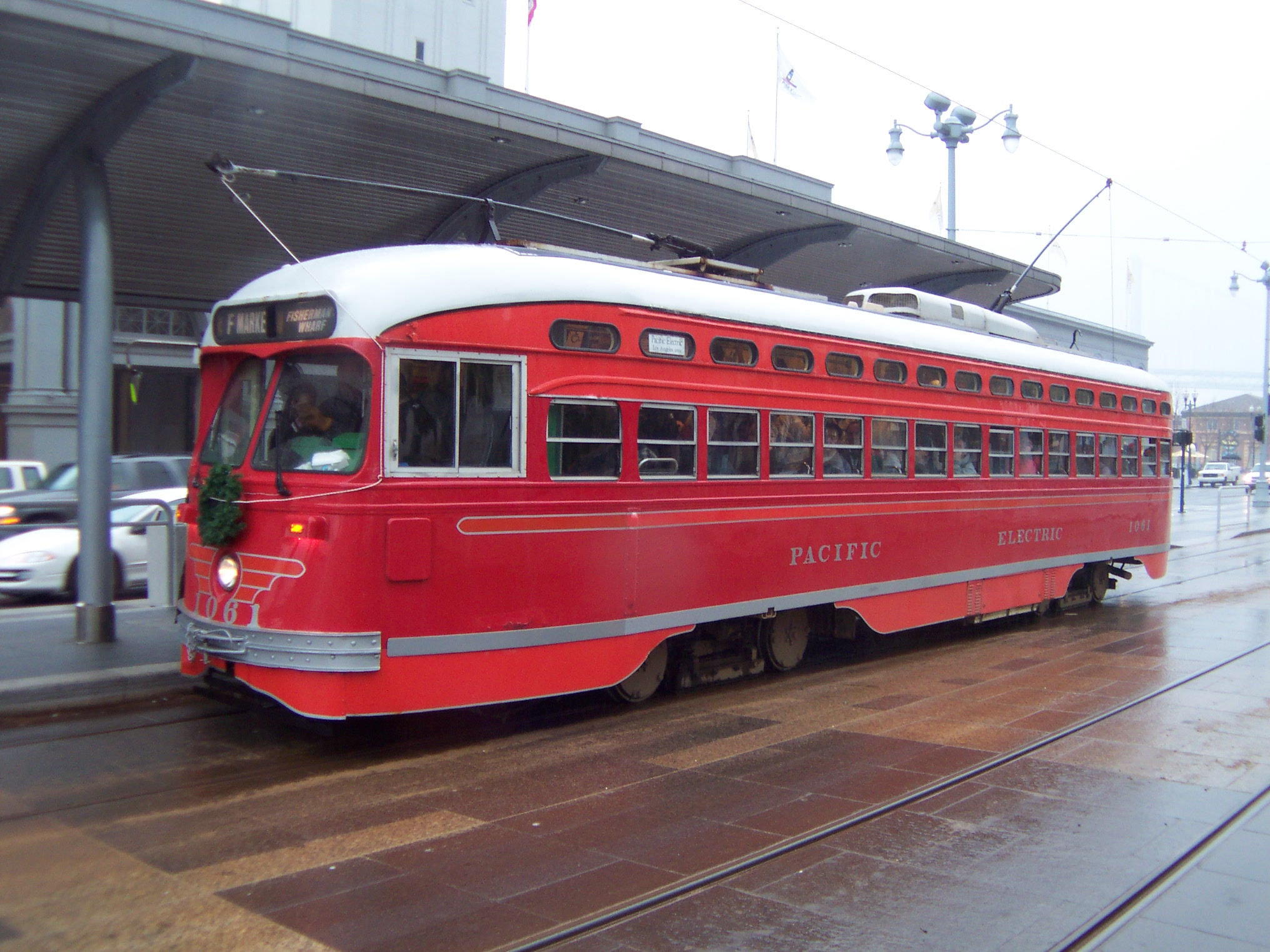
This report is a proposal for a storytelling and oral history initiative for a public transit agency’s special library and archive. This falls under the Power of Stories focus area and applies this course’s narrative inquiry and participatory service themes to a setting not typically associated with either.
Executive Summary
Every transit system carries two kinds of records. The official institutional records, made up of things like ridership data, engineering drawings, board minutes, and contracts. And the human ones, made of the operators who drive the last streetcar on a decommissioned line, the riders who met their spouse on a certain bus route, and the neighborhoods reshaped by new lines/stations. Special libraries and archives inside transit agencies are great at preserving the original records, which often times is crucial in the operation of the agency. This report was written to argue that there is a massive, underutilized opportunity for the library and archive to preserve the second kind of record. This report will propose a phased program, tentatively called The Transit Voices, that takes directly from this course’s narrative inquiry method and from the “keep, share, make” model of library story telling work. My recommendation: pair the archive’s existing mission with a structured oral history practice, starting small with retiring/retired staff and in the future expanding to riders and community members.
Introduction
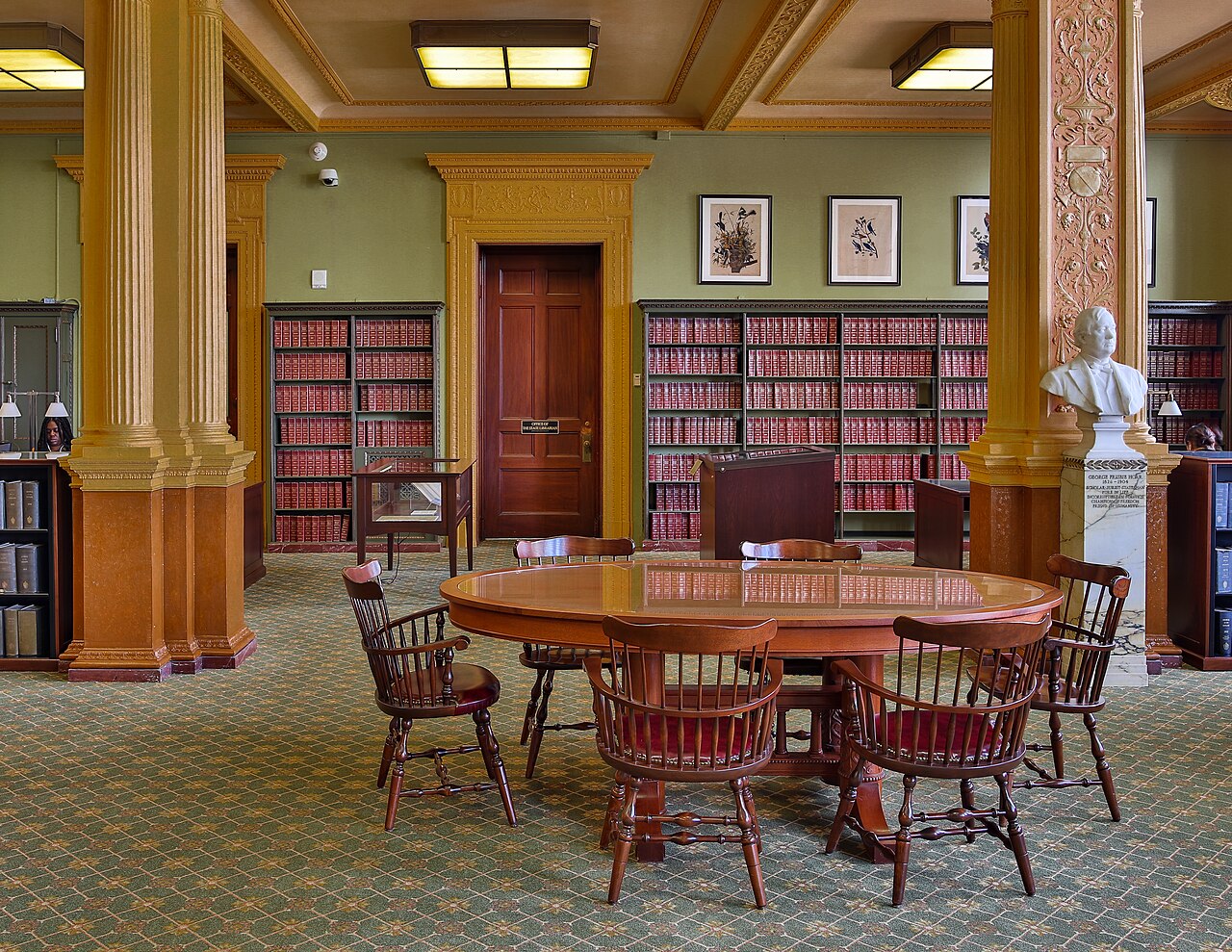
I am drawn to special libraries and archives because they sit close to a single institution’s memory, and transit agencies interest me specifically because almost everyone in a city touches the system at some point, whether they ride it daily or only notice it when a new line changes their commute. In the exploration of the “keep, share, and make” framework, it gave me a more concrete way to think about what a transit agency’s archive could do beyond storing just institutional records. If libraries are, at their best, in the business of collecting and returning stories to a community, a transit archive is an obvious and largely untapped place to practice that. This report introduces the concept, grounds it in a real transit library, and proposes a strategy a director could act on.
Body
Definition and Origins
A special library or archive mainly serves a single parent organization rather than the general public, focusing on a narrow but deep collection tied to that organization’s history and operations. Transit agencies often (but a lot less now as many have closed) maintain one of these to manage engineering records, planning documents, and institutional photographs going back to the earliest streetcar and rail companies a modern agency absorbed.
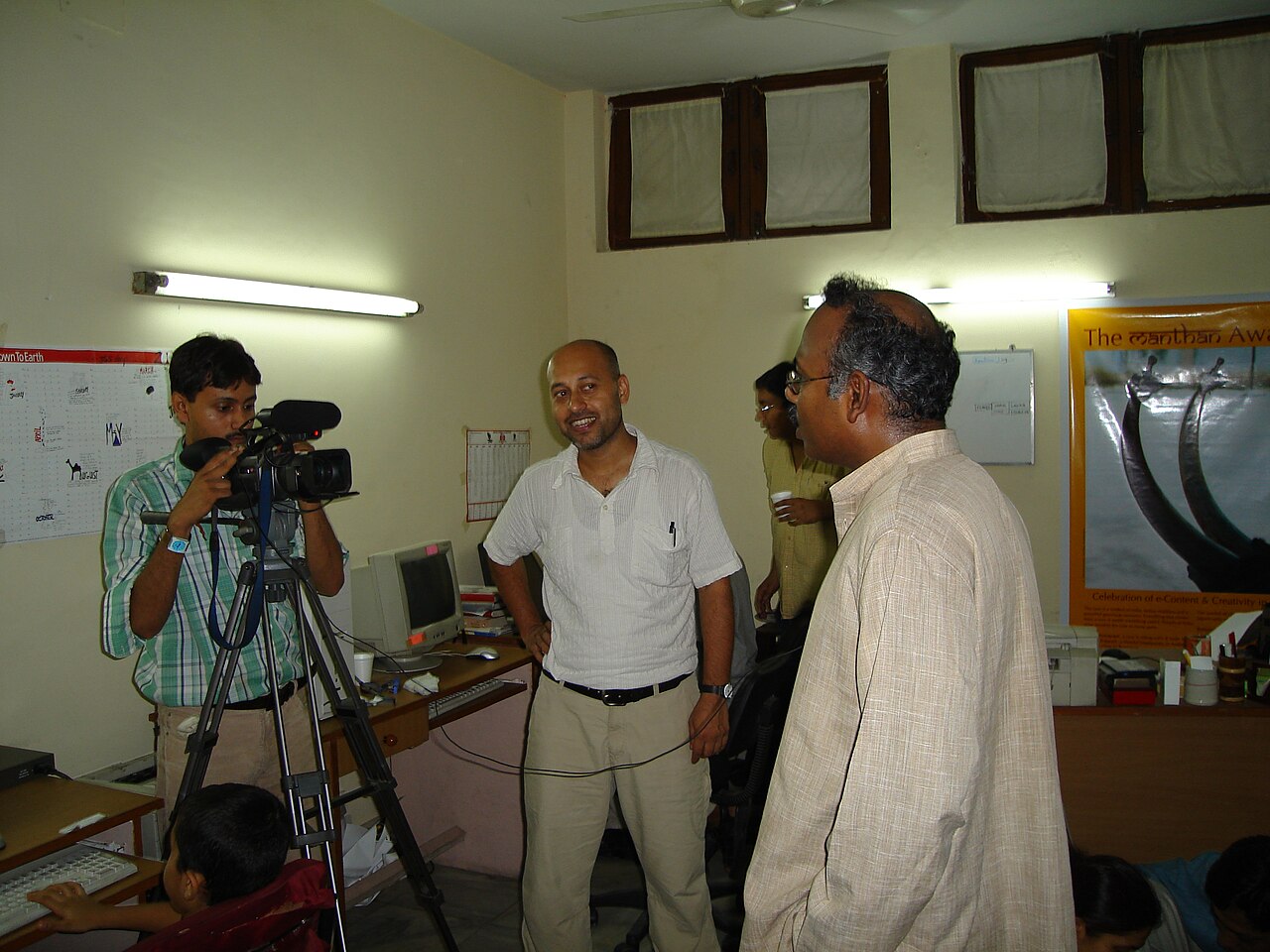
Narrative inquiry, as this module described it, is a flexible interview-based method for capturing personal experience that a survey cannot reach. It shares roots with the oral history movement and with organizations such as StoryCorps, founded in 2003 with a mission to preserve and share humanity’s stories in order to build connections between people. Pairing narrative inquiry with an existing special archive means applying a familiar library skill, collecting, to a new kind of material: the spoken memory rather than the filed documents.
Context and Relevance
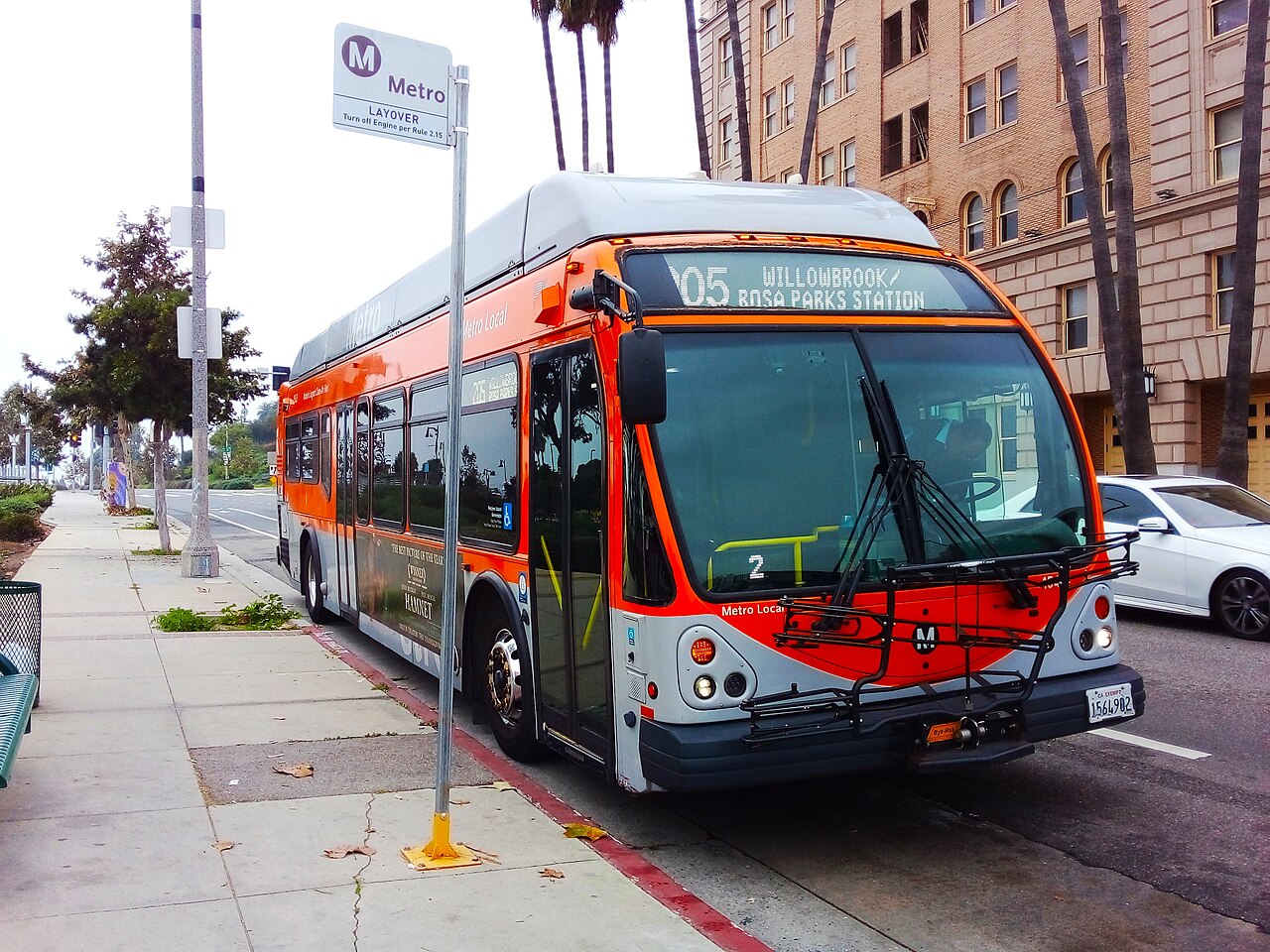
Transit systems are well positioned for memory kind of work because they are shared infrastructure. A bus route or rail line touches operators, mechanics, planners, and generations of riders, and its history includes contested chapters, such neighborhood displacement from new construction, alongside everyday chapters, such as a commute a rider took for thirty years.
Two reasons make the timing relevant now. First, institutional memory is retiring. Employees who operated decommissioned lines or lived through major system changes are aging out of the workforce, and their knowledge exists nowhere in the official record. Second, transit agencies are actively working to represent voices that standard archival collecting historically miss. Los Angeles Metro’s own library and archive, for example, has in the past partnered with an internal employee association to research and exhibit the career of an African American transit worker whose story was absent from earlier records, a sign that agencies already recognize the gap this report addresses.
Impact and Application
Primary stakeholders fall into two groups. Internally, archivists, communications staff, and agency leadership benefit from a richer, more human record and from capturing institutional knowledge before it retires with an employee. Externally riders, journalists and researchers gain access to a fuller picture of the system than engineering documents and timetables alone are able to provide.
- Benefits: stronger public engagement, improved employee morale and retention of institutional knowledge, a richer archival record for future researchers, and material that supports agency communications and community relations work.
- Limitations and challenges: consent and privacy for narrators, the staff time and training an interview-based program requires, long-term preservation of audio and video formats, and the risk of favoring nostalgic stories over difficult or contested ones if the program is not deliberately inclusive.
Evidence and Examples

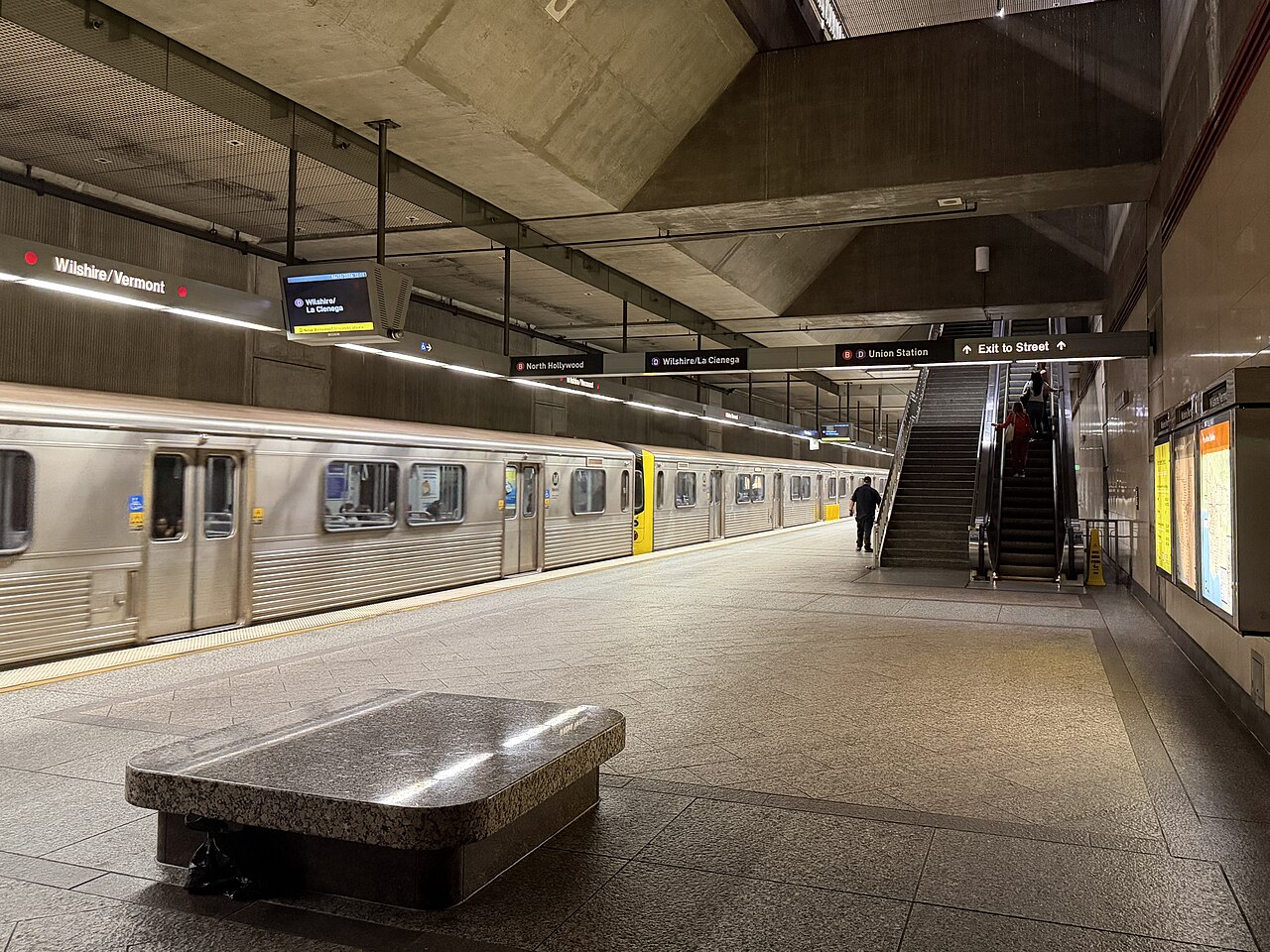
Los Angeles Metro’s Dorothy Peyton Gray Transportation Library and Archive is a working example of a public transit special library and archive at scale. Its holdings trace back to predecessor companies from the 1890s and now include more than 60,000 books, technical studies, maps, and historic images. Metro staff have described their own archive as full of “stories that haven’t yet been told,” language that lines up closely with this report’s proposal, even though the agency’s current oral history activity is limited and largely tied to occasional exhibits rather than an ongoing collecting program.
Course readings point toward how such a program could run. Chad Mairn and Joe Terrana’s Listening Lab shows what it looks like to design a collection for browsing and discovery rather than storage alone, and their unrealized plan to link audio samples directly into the library catalog is a useful model to reference for connecting recorded stories to formal archival records and the library catalog as well. Michael Stephens’ Office Hours post on narrative inquiry supplies the interview posture itself, describing the method as a compassionate way of reaching out, listening, and learning, and reframing the kind of question an interviewer should ask. The Wholehearted Librarian chapter on telling stories supplies the underlying rationale, citing StoryCorps’ mission to build connections between people and pointing to smaller-scale library storytelling programs as proof that the same instinct scales down to a single institution.
Strategy for Implementation
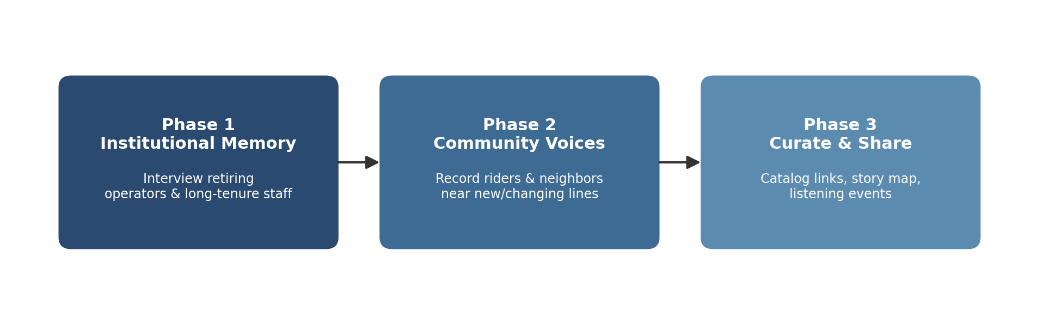
A transit archive does not need to build a storytelling program from nothing. It can adapt the same narrative inquiry approach and lightweight recording practices already discussed in this course, in three phases.
- Phase 1, Institutional Memory: begin with retiring operators and long-tenure staff, using open narrative-inquiry style questions rather than a standard exit survey. This phase requires the least outside coordination and produces the archive’s first recordings.
- Phase 2, Community Voices: expand to riders and neighbors, prioritizing communities near new or changing lines and voices historically absent from the official record. Recording equipment can be as simple as a smartphone, echoing this module’s point that most staff already carry a usable recording studio.
- Phase 3, Curate and Share: catalog the recordings alongside existing archival material, build a browsable public-facing story map of the system, and host periodic listening events at stations or partner public libraries.
Resourcing needs are modest at the pilot stage: a small amount of staff time for interview training, consent and release forms, and a digital storage plan for long-term preservation. A partnership with a local public library system or university oral history center could supply interview training and archival expertise the transit agency’s own staff may not have in house.
Conclusion
This report’s central claim is simple: a transit special library and archive already do the “keeping” half of Boekesteijn’s mantra very well and is well positioned to add the “sharing” and “making” halves through a modest, phased oral history program. Doing so would preserve institutional knowledge before it retires, deepen public trust in agency riders often experience only as a bureaucracy, and align the archive’s collecting mission with the same participatory, story-centered values this course has returned to all term. The open question I am still sitting with is one of sequencing and equity: which voices should be recorded first, and how does an agency avoid letting the loudest or most nostalgic stories crowd out the ones that are hardest, and most necessary, to tell. That question feels worth carrying into my own career in special libraries and archives.
References
Mairn, C., & Terrana, J. A Library’s Listening Lab. St. Petersburg College.
Stephens, M. (2020, April 9). Office Hours: Narrative Inquiry. Tame the Web.
Stephens, M. Office Hours: With a Little Twist & Power of the Pod. INFO 287 — The Hyperlinked Library.
Stephens, M. “Telling Stories,” in The Heart of Librarianship, Chapter 5, Being Human.
Los Angeles County Metropolitan Transportation Authority. About Us. Metro’s Primary Resources. metroprimaryresources.info/our-story/
Los Angeles County Metropolitan Transportation Authority. Tales from the Metro Archive. The Source. thesource.metro.net/tales-from-the-metro-archive/
Los Angeles County Metropolitan Transportation Authority. FY24 Transportation Research Library and Archive Annual Report. libraryarchives.metro.net
StoryCorps mission statement, as cited in Stephens, The Heart of Librarianship.


4 thoughts on “Inspiration Report: Riding Through Memory”
Hi Toby,
This is such a well-thought-out proposal. As someone who is no stranger to the adventures of public transit, I am surprised that I have never considered all of the stories that public transit libraries could be capturing and sharing. Really, I did not even know that public transit special libraries even existed!
I appreciate how you also focus on institutional memory. The library I work for is currently undergoing a reorganization, and as a result, several of our seasoned employees are retiring. It has really highlighted for me just how important it is to capture institutional memory when making sure we are not solving problems that have had solutions for years.
Hello @inasamuel, thank you for taking the time to read my post and sharing your thoughts. I totally was in the same boat as you with how much I never really considered the rich stories that transit libraries could tell before getting my job. And I am glad to share a whole new type of library with you. I always love stumbling into all the wacky and unexpected places that have libraries and archives. I also really relate to your experience with the reorganization at your institution as institutional memory is such a hot topic for our staff as our director and manager have both retired almost back-to-back with one another. We were able to capture so much knowledge from them, but it never feels like enough when the people leaving have been in the organization for 20, 30, or even 40 years. Best of luck you!
@chaot I was completely unaware that Metro has their own archives collection until I asked a friend who worked at Metro about it! I think your proposal for Transit Voices is a fantastic idea because, as a Los Angeles resident, Metro has always been a key childhood memory for me. It would be beneficial for the community to have current/previous staff share their memories with Metro and perhaps extend it to the general community. Libraries focus a lot on physical artifacts but less on storytelling; this is definitely something we should focus on. This was a great read, thank you for sharing!
Hello @rzhu, thanks for taking the time to read through my post. I totally agree with you that it would be very important for any sort of oral history program in the future to also extend to the general community. And I am always happy to spread the word about the existence of the LA Metro Library and Archive. We are rather hidden and so many times even employees in the same building do not know we exist, definitely an outreach issue we need to address.