
Modern libraries have become community anchors that combine technology with empathy to create spaces where people can connect, learn, and feel supported. Howard Rheingold’s idea that communities grow through meaningful conversations helped me understand that libraries are not just providing information, they are creating opportunities for relationships and belonging (Stephens, 2025).
What resonated with me most was the idea that technology should connect people rather than simply promote services (Stephens, 2025). In Libraries Are Bridging the Digital Divide, libraries extended Wi-Fi through routers mounted on buildings, transformed bookmobiles into mobile hotspots, and partnered with community networks to provide internet access in underserved areas. These examples show that technology is most effective when it is paired with a genuine commitment to helping people. Michael Stephens’ reminder to ask whether technology is reaching people or merely broadcasting to them reinforced this idea. I especially appreciated the example from Ghana, where the library not only created a digital library app during the pandemic but also invited young people to share their personal stories through an online writing competition. Instead of simply delivering information, the library encouraged community participation.
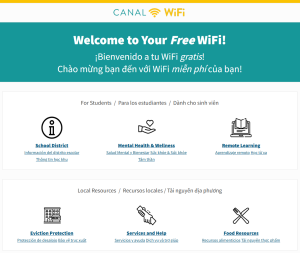
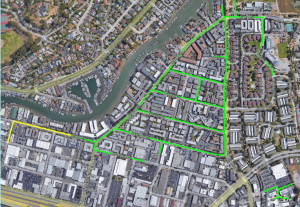
One example that stood out to me was the Canal neighborhood in San Rafael, California, where the library partnered with a nonprofit to create a free community Wi-Fi network. This project gave thousands of students access to online learning while also connecting residents with healthcare, housing, and employment resources. It demonstrated that libraries can build empathy directly into their services by identifying community needs and creating practical solutions (Williams & Muller, n.d.).
These readings also challenged my assumptions about professionalism in libraries. I once believed librarians needed to maintain a formal distance from the public. However, Stephens argues for “radical trust” by involving communities in honest conversations and believing in people’s ability to contribute positively. Jina DuVernay’s emphasis on creating joyful, welcoming experiences further changed my perspective. She reminds us that librarians do not need to separate professionalism from warmth and enthusiasm.
Moving forward, I want to replace the traditional “PR voice” with communication that is genuine, approachable, and human. This week’s materials showed me that the strongest libraries are not simply places where information is stored, they are places where trust, technology, and community come together to improve people’s lives.
References
Stephens, M. (2025). Beyond buzzwords: Ten invitations to build library connection and community (2025 ed.)
Williams, A., & Muller, C. (n.d.). Libraries are bridging the digital divide
DuVernay, J. (2024, June 12). There is joy for all: Tips for joyous library programming