Reflection 4: The Power of Stories

The biggest thing I took away from this module is that librarians don’t have to control every part of a program. The Human Library works because conversations happen naturally, and storytelling projects are stronger when community members help shape them. That challenged the way I used to think about library programming. Instead of trying to plan every detail, librarians can create opportunities for meaningful conversations and let those moments develop on their own. As I move toward a career in librarianship, I hope to help create programs that bring people together and encourage understanding. These readings reminded me that while books will always matter, some of the most meaningful stories in a library come from the people who walk through its doors.

The Human Library was the idea that stood out to me the most. Instead of checking out books, people “check out” volunteers who share their personal experiences and perspectives (Wentz, 2013). Many of these “living books” have faced stereotypes or discrimination, so having honest conversations with them helps break down assumptions. Research shows these conversations encourage people to think about their own biases and appreciate different perspectives (Arne-Skidmore, 2021). To me, the Human Library is a great example of how libraries can help people understand each other instead of just encouraging tolerance.

Here is a recent video from CBS Sunday Morning talking about the Human Library. I couldn’t get the video to embed so here’s the link: https://www.youtube.com/watch?v=rTU22ydBxYg

The readings also showed how libraries can make people feel included through thoughtful programs. At Yarra Libraries in Australia, programs like Sensitive Storytime and Sensitive Santa were created for neurodiverse children and their families (Stephens, 2019). I liked this example because it shows that inclusion is about more than giving everyone the same access. It’s about making sure people actually feel welcome and comfortable.

I also found the discussion about digital storytelling interesting. Jason Evans Groth pointed out that while our phones make it easy to record stories, technology shouldn’t get in the way of real conversations (Stephens, 2019). Instead, tools like podcasts can help preserve community stories while keeping the focus on the people sharing them. Technology works best when it helps tell someone’s story instead of becoming the center of attention.

Arne-Skidmore, E. (2021, April 8). New study on the impact of the Human Library

Stephens, M. (2019). Office hours: With a little twist & power of the pod

Wentz, E. (2013, April 26). The Human Library: Sharing the community with itself

Reflection 3: New Models

One idea that stood out to me from the readings comes from Palaces for the People, where sociologist Eric Klinenberg argues that strong communities depend on their social infrastructure, the public spaces that bring people together and foster meaningful connections (Gaetani, 2018). Today’s libraries are expanding that role by using food to address not only physical hunger, but also cultural understanding, health literacy, and community belonging.

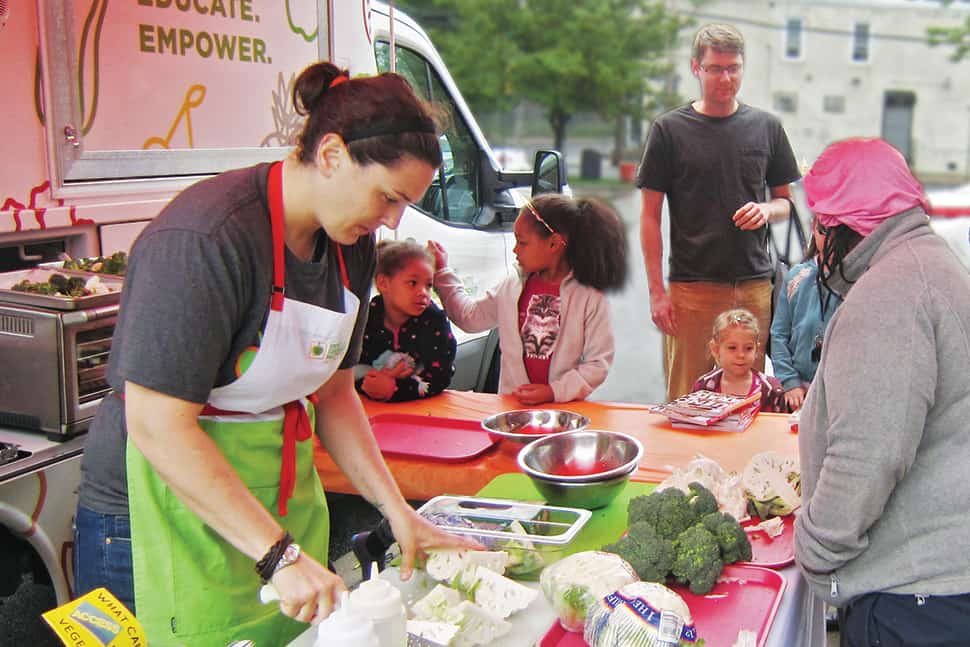
The examples from this week’s readings showed how food can become a powerful tool for education and connection. In Camden, New Jersey, the Camden County Library System created Books and Cooks, a mobile kitchen that teaches nutrition while helping immigrants practice English and share their cultural traditions (Ewen, 2018). Conversations about recipes naturally become conversations about family, identity, and community. Similarly, Chattanooga Public Library’s Flavor Lab teaches teens practical cooking skills while encouraging collaboration and healthy habits, and Redwood City Public Library’s La Cocina de Libros combines health education with creative outreach programs like “Food for Fines” (Ewen, 2018).

I was also inspired by the Kitchener Public Library’s virtual cooking series, which partnered with local restaurants during the pandemic to introduce patrons to different cultures through food (CBC News, 2021). Even though participants were physically apart, preparing meals together created a sense of comfort and community. It reminded me that libraries can build connections even when people cannot gather in person.

These examples challenged my own assumptions about what library service looks like. I have often thought of libraries as places centered primarily on books and information. Now I see them as organizations that actively identify community needs and respond with creative, human-centered solutions. Whether they are teaching cooking skills, promoting healthier lifestyles, or creating spaces where people can share their cultures, libraries are building what I think of as structural empathy, designing services that make communities stronger before crises occur. This week’s readings reinforced that the future of librarianship is about far more than managing collections. It is about creating opportunities for people to connect, learn, and care for one another. Sometimes that begins with a book, but sometimes it begins with sharing a meal. 

References

CBC News. (2021, December 28). How a restaurant-library partnership made food and culture accessible.
Ewen, L. (2018, September 4). Libraries use mobile kitchens to teach food literacy.
Gaetani, M. (2018, November 11). Q&A with Eric Klinenberg.

Reflection 2: Hyperlinked Environments

Public libraries are often measured by statistics such as circulation numbers and visitor counts, but those numbers cannot capture their true impact. As Christian Lauersen (2021) argues, statistics show how libraries are used, not what they mean to the people they serve. The modern library is both a sanctuary, a welcoming place of safety and belonging that encourages creativity, learning, and personal growth.

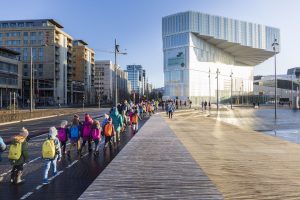
The idea of the library as a sanctuary resonated with me most. Libraries provide one of the few public spaces where people can gather, learn, or simply exist without the expectation of spending money. During times of crisis, this role becomes even more important. Julia Pyatetsky (2015) describes how European libraries supported Syrian refugees by providing supplies, expanding multilingual collections, and creating welcoming environments that promoted inclusion. Similarly, libraries such as Oslo’s Deichman Bjørvika and the Beijing Library demonstrate how thoughtful architecture can create peaceful, inspiring spaces that make everyone feel welcome. These examples show that libraries build empathy not only through services but also through the spaces they create.

Deichman Bjørvika in Oslo

At the same time, libraries are places of possibility. Lauersen’s vision of libraries as spaces for creativity and perspective is reflected in programs that encourage people to become creators rather than simply consumers. Deichman Bjørvika offers recording studios, makerspaces, and creative technology, while Hong Kong’s Run Run Shaw Library invites community members to help preserve local history through collaborative digital projects. These examples highlight how libraries empower people to learn new skills, contribute knowledge, and engage with their communities.

The readings also connected to my own professional goals by showing how libraries actively address social issues such as loneliness and isolation. Programs like Nova Scotia’s Caring Calls Project, which checked in regularly with older adults during the pandemic, and Vancouver Island Regional Library’s technology outreach demonstrate that caring for people is just as important as providing information. These services remind me that librarians themselves are often the strongest connection between a library and its community. As I continue my journey toward librarianship, I want to focus on creating welcoming spaces, encouraging meaningful connections, and sharing stories of impact. Libraries should be measured not only by what they circulate, but by the lives they improve and the communities they strengthen.

Croissant, M. (2021, September 1). This library was just named the best in the world.

International Federation of Library Associations and Institutions. (2024, October 7). IFLA/Baker & Taylor Public Library of the Year Award 2024 announced.

Lauersen, C. (2021, April 19). A haven in our community: The impact and value of public libraries.

Morehart, P. (2021, July 8). 2021 International Innovators: ALA Presidential Citations honor forward-thinking global libraries.

Pyatetsky, J. (2015, November 24). Refugees supported by public libraries in Europe

Reflection 1: Hyperlinked Communities

Modern libraries have become community anchors that combine technology with empathy to create spaces where people can connect, learn, and feel supported. Howard Rheingold’s idea that communities grow through meaningful conversations helped me understand that libraries are not just providing information, they are creating opportunities for relationships and belonging (Stephens, 2025).

What resonated with me most was the idea that technology should connect people rather than simply promote services (Stephens, 2025). In Libraries Are Bridging the Digital Divide, libraries extended Wi-Fi through routers mounted on buildings, transformed bookmobiles into mobile hotspots, and partnered with community networks to provide internet access in underserved areas. These examples show that technology is most effective when it is paired with a genuine commitment to helping people. Michael Stephens’ reminder to ask whether technology is reaching people or merely broadcasting to them reinforced this idea. I especially appreciated the example from Ghana, where the library not only created a digital library app during the pandemic but also invited young people to share their personal stories through an online writing competition. Instead of simply delivering information, the library encouraged community participation.

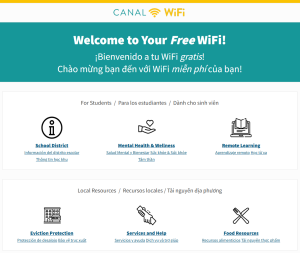
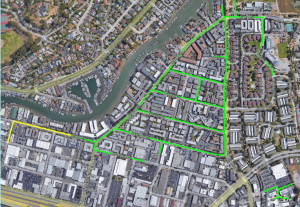
One example that stood out to me was the Canal neighborhood in San Rafael, California, where the library partnered with a nonprofit to create a free community Wi-Fi network. This project gave thousands of students access to online learning while also connecting residents with healthcare, housing, and employment resources. It demonstrated that libraries can build empathy directly into their services by identifying community needs and creating practical solutions (Williams & Muller, n.d.).

These readings also challenged my assumptions about professionalism in libraries. I once believed librarians needed to maintain a formal distance from the public. However, Stephens argues for “radical trust” by involving communities in honest conversations and believing in people’s ability to contribute positively. Jina DuVernay’s emphasis on creating joyful, welcoming experiences further changed my perspective. She reminds us that librarians do not need to separate professionalism from warmth and enthusiasm.

Moving forward, I want to replace the traditional “PR voice” with communication that is genuine, approachable, and human. This week’s materials showed me that the strongest libraries are not simply places where information is stored, they are places where trust, technology, and community come together to improve people’s lives.

References

Stephens, M. (2025). Beyond buzzwords: Ten invitations to build library connection and community (2025 ed.)  

Williams, A., & Muller, C. (n.d.). Libraries are bridging the digital divide  

DuVernay, J. (2024, June 12). There is joy for all: Tips for joyous library programming