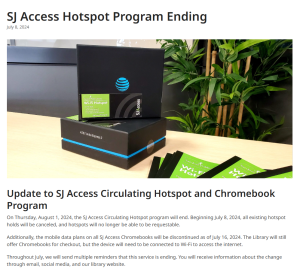
I chose to explore the topic of the digital divide because I recently learned that San José Public Library discontinued its hotspot lending program and no longer allows patrons to check out mobile Wi-Fi devices. Although this change occurred about two years ago, I was still surprised to learn about it. It made me wonder how libraries can continue to uphold their mission of promoting connectivity and bridging the digital divide when access to technology remains a challenge for many community members. As I explored the readings, I realized that the digital divide is no longer simply about providing internet access, it has evolved into a much more complex issue involving digital literacy, usability, and empowerment.
One theme that has really stayed with me throughout these readings is the digital divide and how much it has evolved over the last decade. Before exploring these materials, I often thought of the digital divide as simply a lack of access to computers or the internet. What stood out to me most is how the divide has become much more complex and, in many ways, more invisible to those who are already connected. As West (2014) explains, the traditional “can’t get access” category is shrinking, but it is increasingly being replaced by a “don’t get it/can’t use it” category that affects people facing language barriers, physical limitations, or cognitive challenges.
One fact that particularly resonated with me was that 92% of offline adults report that they are not interested in getting online (West, 2014). Initially, I found this surprising. However, as I reflected on it, I realized that many people have never been shown how technology could positively impact their daily lives. If someone does not see a meaningful reason to engage with technology, such as staying connected with grandchildren or accessing important services, the fear and uncertainty surrounding technology may outweigh any perceived benefits (West, 2014).
As I thought more about these issues, I found myself questioning how libraries balance technological innovation with the pressing human needs that exist within their communities. While libraries are often encouraged to invest in expensive discovery tools and emerging technologies, many patrons are struggling with challenges such as food insecurity, housing instability, or financial hardship (Stephens, 2016). This tension raises important questions about priorities and how libraries can best serve their communities.
I was also intrigued by Stephens’ (2016) discussion of Open+ self-service library models. On one hand, extending library hours through self-service access seems like a practical way to maximize taxpayer investment and improve access. On the other hand, I worry about what may be lost when staff are not present. For many vulnerable patrons, the library offers more than resources, it provides human connection, guidance, and support. While technology can expand access, it cannot always replace the value of personal interaction (Stephens, 2016).
These readings have significantly shaped my perspective on libraries, learning, and community. I now view libraries as essential components of the social safety net, providing both technological resources and the human support necessary to help people navigate an increasingly digital world (West, 2014). The concept of libraries as community “nodes” particularly resonated with me. Libraries function as hubs that provide not only Wi-Fi, but also the electricity, storage, safety, and support systems that help communities thrive (Internet Society, 2021).
My understanding of learning has also expanded. Learning is no longer simply about teaching someone how to use a mouse or navigate a website. Instead, it is about empowerment, helping individuals move from being passive consumers of information to active participants who can communicate, create, and engage in civic life (West, 2014). This perspective highlights the important role libraries play in fostering digital citizenship and community engagement.
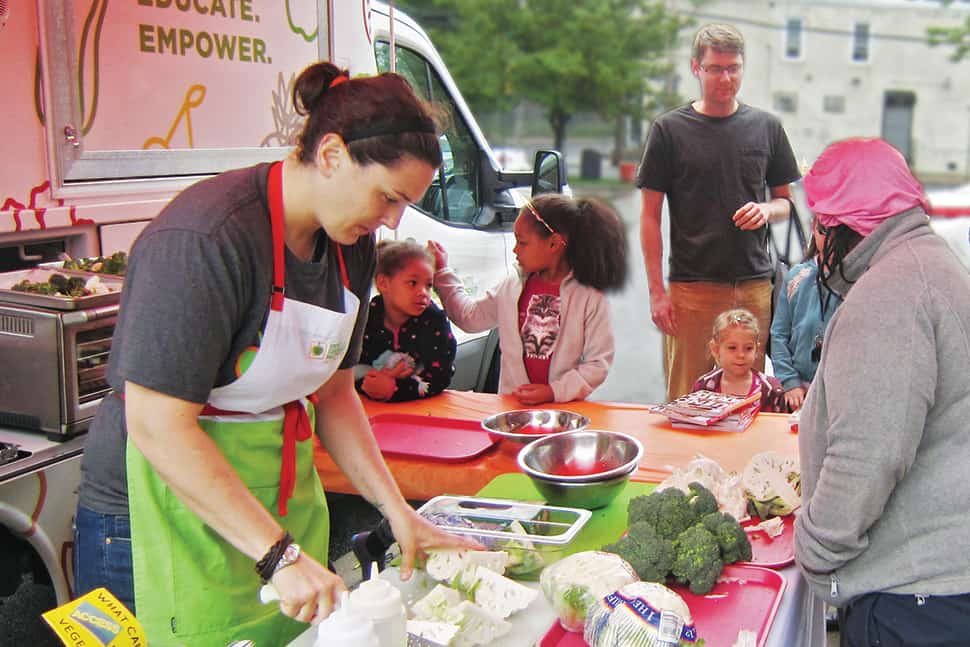
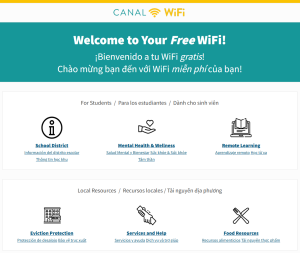
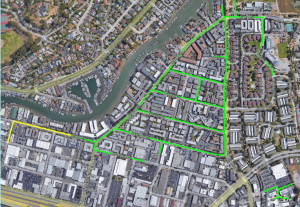
I can see these ideas reflected in several innovative practices discussed throughout the readings. One example is the use of bookmobiles as roaming Wi-Fi hotspots, bringing internet access directly to underserved communities (Internet Society, 2021). Another is the partnership in San Rafael’s Canal neighborhood, where Wi-Fi access points were attached to streetlights, helping thousands of students connect to online learning opportunities (Internet Society, 2021). On a global scale, programs in Zimbabwe have evolved from internet cafés into computer literacy initiatives that have trained hundreds of teachers, demonstrating the transformative impact of digital access and education (Internet Society, 2021).
I also appreciate the ways libraries are reimagining service delivery. Replacing traditional reference desks with tablet-carrying librarians who can meet patrons where they are reflects a more flexible and user-centered approach to service (Stephens, 2016). Equally inspiring are examples of radical kindness, such as empowering staff to waive fines for vulnerable patrons and creating initiatives like the One Kind Word Project to foster compassion and connection within the community (Stephens, 2016).
Ultimately, these readings reinforced my belief that libraries are uniquely positioned to bridge not only technological gaps but also social and economic ones. The digital divide is no longer solely about access to devices or internet connections. It is about empowerment, inclusion, and ensuring that every person has the opportunity to participate fully in an increasingly digital society. Libraries continue to play a critical role in making that vision a reality.
References
Internet Society. (2021). Libraries and community networks bridging the digital divide.
Stephens, M. (2016). Balancing compassion and innovation in modern libraries. In The wholehearted librarian.
West, J. (2014). The 21st century digital divide: Access, usability, and empowerment. http://librarian.net/talks/rlc14.