Storytelling is humanity’s oldest technology. Through Module 10, we learn how keeping, sharing, and making stories about our lived experiences deepens our felt sense of shared humanity. Here, I can offer two anecdotes:
Narrative inquiry reminds me of an exercise I was introduced to during an online workshop during the early days of lockdown and virtual facilitation. It was an event hosted by David Ryan Barcega Castro-Harris, a Restorative Justice practitioner. He taught us a unique way of engaging with others, a method borne from restorative circle keeping that helps participants find safety and bridge the distance over Zoom. The practice is to ask, “Who are you?”, listen, and repeat seven times. Each layer reveals another facet of the storyteller’s identity and complexity. The activity also asked me to reflect and ask myself what ways I want to show up and be seen or understood today. When we tried this technique with each other, every person had their own distinct way of responding. This question opened up lots of colorful stories for some, while others listed off ways they are in relation to the world, through titles used by loved ones, backgrounds they come from, or even emotions they are riding out in that very moment.
David also hosts a podcast, where he invites his guests to open with a self-introduction using this practice. Take a listen!
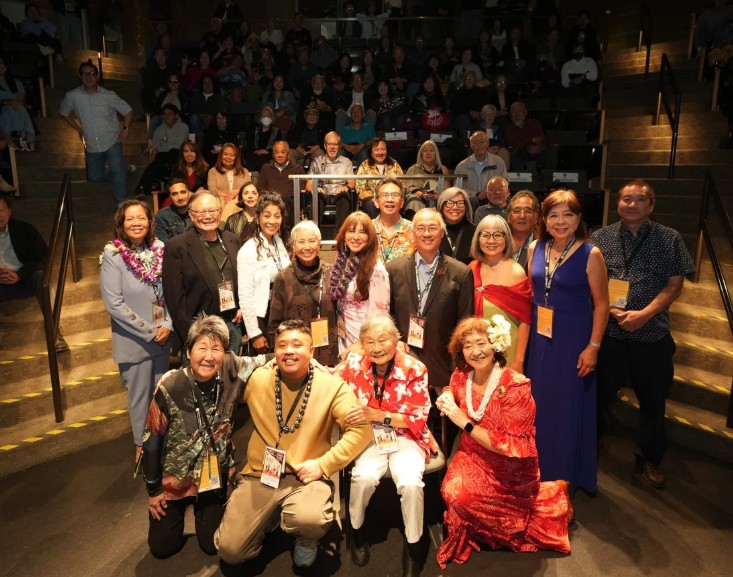
During my years in Los Angeles, I worked at Visual Communications, a media arts nonprofit. There was a program integral to the organizational mission, called Digital Histories. It’s a series of monthly workshops aimed at connecting and engaging with the underrepresented and misrepresented Asian Pacific American (APA) older adult population. Led by professional filmmakers and documentarians, the Digital Histories program cultivates participants’ artistic expression and teaches media literacy to seniors in the community. Since its inception in 2003, the Digital Histories program has produced over 225 short films.
Seniors are particularly marginalized and alienated, so a major benefit of the program is that it helps them connect with new people and discover new skills. The purpose of encouraging them to use their unique voices and perspectives and to shape their own narratives is so that our society continues to honor the fact that passing down stories is an act of power capable of transforming future generations.
We see the positive impact of storytelling, allowing artists to explore and share stories of family histories, coming to terms with a gay child, and senior love and dating. The exhibition of these films educates viewers about APA history in California and illuminates how place helps shape identity and community.
Every year, the cohort’s screenings are sold-out programs at the LA Asian Pacific Film Festival (even with a matinee and evening screening!), and as always, there is not a dry eye in the house. Luckily, you can watch the projects from home, right here: https://vcmedia.org/dh-alumni-projects
References
Digital Histories. (n.d.). Visual Communications. https://vcmedia.org/digital-histories
I really enjoyed reading this. The “Who are you?” exercise especially stood out because it shows how storytelling isn’t just about sharing information, it’s about creating trust and making space for people to reveal different parts of themselves over time. Your example from Digital Histories also made the module feel much more tangible. I love that the program gives older adults the tools to tell their own stories instead of having others tell those stories for them. It really reinforces the idea that libraries and community organizations aren’t just preserving history, they’re helping people create it.