
While reading about hyperlinked environments in global libraries for this blog post, I came across an initiative that was developed in Brazil called Feito na Biblioteca (made in the library). This program is a partnership between public libraries in Brazil and Caravan Studios, a company that helps communities find solutions to local problems. This program invited community members into the library to “discuss issues and share their experiences” (Feito na Biblioteca, n.d.). They then worked together to find solutions to these problems, create paper mockups of those solutions which were made into posters, and then the community voted on which solution they liked the most. Caravan Studios developed technology solutions for the problems, whether that be safety issues and timing at local bus stops, or where to find trash disposal options.
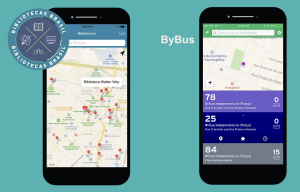
This program is important because it focuses on the community and invites them to use the library to find solutions. It allows library patrons to be active participants who shape library services rather than just passive information seekers who are receiving services. It also encourages libraries to be that place where residents can come together to create and collaborate, to learn from each other, and to improve their communities. This initiative recognizes that every community is different by encouraging each library to find the unique strengths and needs of its own community and work with its users to build programming and services around that. It gets to the heart of the hyperlinked library philosophy by putting people first and instead of asking “what should the library offer,” it asks “what can we create together?”
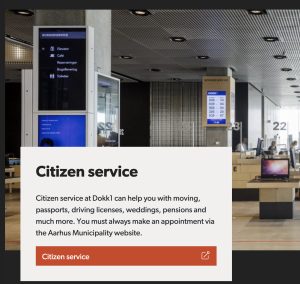
Brazil is not alone in its collaborative efforts. The Dokk1 library in Denmark is another example of a hyperlinked library environment that invites the community in and gives them authority to shape its services and spaces. Library staff spent years asking residents what they wanted the library to offer, what they wanted the space to become, before they even designed the building. The results of this is a space that is about so much more than just borrowing books. Dokk1 functions as a place for the community to gather, with a makerspace, meeting rooms, children’s play areas, and flexible spaces that fulfill the needs the community identifies. Dokk1 demonstrates that successful library services begin with listening to the community, rather than assuming only librarians have the answers, just like the Feito na Biblioteca project.
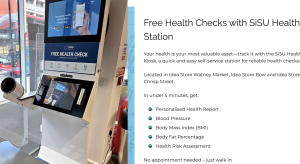
The Idea Stores in London also follow this model. The Idea Stores are built in busy shopping districts where people already spend a lot of time. They combine library services with community programs like job training, adult education, and even health services, in spaces that are welcoming and accessible. Thinking back to my first blog, this ties in to what the library director meant when she said “meet them where they are.” Hyperlinked library environments are about community and about bringing library services to the community where they live their everyday lives, rather than waiting for them to find the library. This is also reminiscent of what happened in the Library Takeover Project at the Madison Public Library.
What strikes me about all of these initiatives is the library’s willingness to trust the community and let them lead the way. Each of these libraries gave the residents the opportunity to lead events and programs that reflected what was needed in the community and their lives, rather than assuming the librarians knew best. Feito na Biblioteca encouraged communities to create with their librarians. Dokk1 showed what can be accomplished when an entire library is designed around community input. Idea Stores removed barriers to access by placing libraries where the community already gathers. Madison empowered its residents to develop and lead programming. All of these libraries embrace the meaning and vision of the hyperlinked environment by recognizing that libraries are strongest when they invite the community in and work alongside them to shape services.
Another notable aspect of all of these initiatives is that none of them depended heavily on technology or artificial intelligence. Innovation is not only about makerspaces, computers, virtual reality, or AI, but about building relationships and creating environments that strengthen community connections. Trusting their communities and creating opportunities for participation were more important and transformative than investing in new technologies and equipment.

These examples are encouraging for the future of libraries and even for the small public library where I work. While we don’t have the space or budget that a large urban library has, initiatives like these remind me that change and innovation aren’t always just about money. Small efforts such as partnering with local schools during their free lunch program or offering free printing and faxing services after recognizing a community need, are also about building relationships and creating a welcoming and accessible environment for our patrons. Meeting people where they are is just the beginning, the next step is inviting them in and asking them to become our partners in order to shape the future of library services. It is clear that libraries remain the most relevant when they are shaped by their communities.
References:
Abisla, R. (2018, August 6). Caravan Studios boosts access to transit through open data. Tech Soup. https://blog.techsoup.org/en-us/posts/caravan-studios-boosts-access-to-transit-through-open-data
Dokk1. (n.d.). https://dokk1.dk/english
Feito na Biblioteca. (n.d.) https://www.feitonabiblioteca.org/
Idea Store. (2026). The idea story. https://www.ideastore.co.uk/about-us/the-idea-story
Zorthian, J. (2016, August 19). Look inside the most cutting-edge public library in the world. Time. https://time.com/4458185/denmark-library-cutting-edge-dokk1/
@robyncapone I really appreciate anything related to community-led programming and services in libraries. And you’ve highlighted some excellent examples here.