
For the Hyperlinked Environments module, the readings from the Public Library and the Research and Current Issues sections interested me the most. Some of the newer revelations included the success of abolishing library fines (The City Library, 2018) and the trend of digital reading and the increasing number of people reading electronic books (Geiger, 2014). Last but not least, the finding that fascinated me the most in the readings was that Millennials tend to visit the library more often than their predecessors (Geiger, 2017).
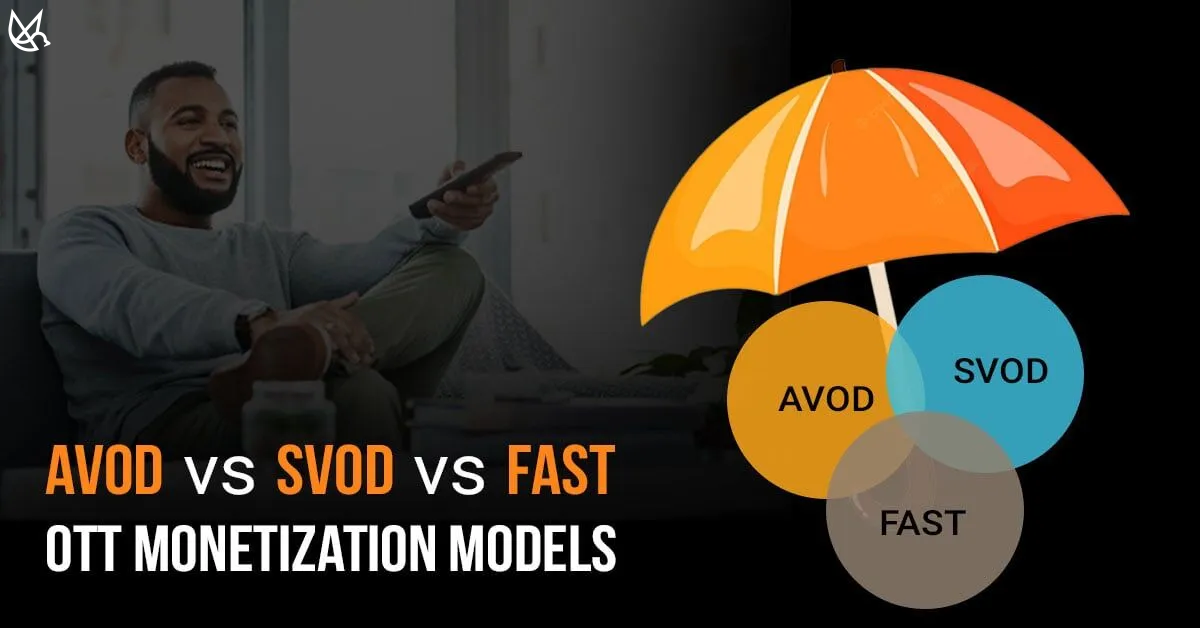
I found that there were certain elements mentioned in the articles that related to these insights and had to do with finances. In the case of late fees, they accounted for only 0.3% of earnings (The City Library, 2018), and the author discussed the benefits that libraries receive from abolishing them. In my present job as a manager of a streaming service, we live in an environment where we know which platforms have advertisements (AVOD), which have the most number of people viewing them, and where the revenue comes from. This influences how much money we spend on different programs and which rights we get for our content. Linear channels (FAST) may have lots of viewers, yet not generate the needed revenues. They only serve to attract attention and make the channel popular, which is beneficial to the subscription on-demand (SVOD) platforms generating the required revenue.
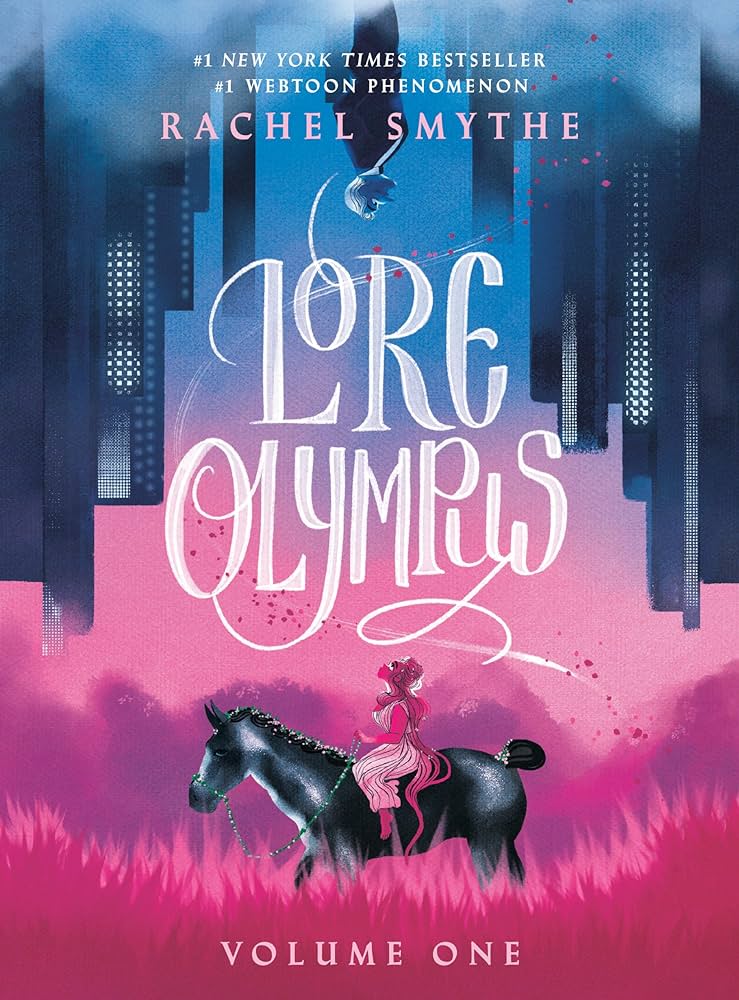
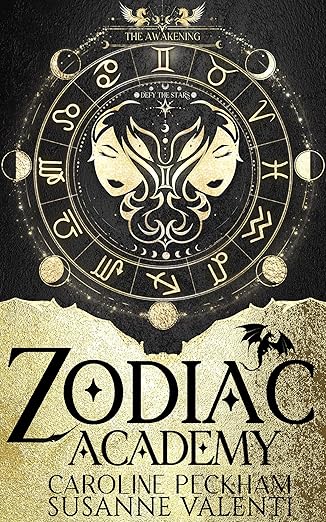
Whereas all that a library requires is budget management for maintenance and service to the public, with an attempt to provide better services to the community, it is necessary to assess all library services (and their environments) to figure out what should be done in order to provide the best service to the community. I felt like there was a comparison with people who are still borrowing physical books, particularly in regard to licensing and the way libraries have to monitor the format of books they are offering. Early this year, I wanted to read two very popular series, The Zodiac Academy and Lore Olympus. Through some quick online research, I realized that The Zodiac Academy could be found on Kindle Unlimited and Lore Olympus on Webtoon. Based on my assumption that e-book rights are a very complex system due to the origin of the books, patrons checking out these series through the library often have to borrow either the physical book or audiobook in the case of The Zodiac Academy, and the physical graphic novel for Lore Olympus.
Millennials have been born during an age of transition from analogue to digital technology, and it stands to reason that, since they are comfortable with both digital and analogue products, the shift from libraries to computers and other technological advancements has occurred alongside them, as highlighted by the Pew Research study (Geiger, 2017). I also would not be surprised if money was a factor here, since Millennials are likely to have accumulated less wealth due to their age, meaning that they will use the library more than other older generations. In general, while it is essential for the library to adapt to changing circumstances as highlighted by the statistics above, librarians should certainly consider those people who are using the library the most and provide what is required for them.
References
Doverunner. (2023, July 7). AVOD vs SVOD vs FAST: OTT monetization models [Illustration]. https://doverunner.com/blogs/avod-vs-svod-vs-fast-in-ott/
Geiger, A. W. (2014, January 24). 10 facts about Americans and public libraries. Pew Research Center. https://www.pewresearch.org/short-reads/2014/01/24/10-facts-about-americans-and-public-libraries/
Geiger, A. W. (2017, June 21). Millennials are the most likely generation of Americans to use public libraries. Pew Research Center. https://www.pewresearch.org/short-reads/2017/06/21/millennials-are-the-most-likely-generation-of-americans-to-use-public-libraries/
Smythe, R. (2021). Lore Olympus (Vol. 1) [Book cover]. Del Rey.
The City Library. (2018, August 10). The fine free library: One year later. Medium. https://slcpl.medium.com/the-fine-free-library-one-year-later-d28c69743c15
Valenti, C., & Peckham, S. (2019). Zodiac Academy: The awakening [Book cover]. Dark Ink Publishing.
@aniellafields This was so interesting to me and I enjoyed learning about these acronyms. I so appreciate that you unpacked the complex web web of all of these various services that allow us to access content.
What is interesting is that, even though libraries and streaming services in the entertainment industry operate in different environments, there can be many similarities in how to approach allocating budgets for digital collections. This was a major topic in the Collection Management course here at SJSU and is something worth continuing to keep an eye on.
Hi Aniella! As an elder Millennial, your post topic caught my eye. I really enjoyed your reflection. To your point, Millennials have grown alongside the modern advancement of technology, though an interesting phenomenon I think we as librarians should also understand is that there is a trend within our cohort to move back to analogue consumption. Ultimately: striving for less time on screens. There are definitely opportunities here to draw back Millennials to the library, many of whom likely have nostalgia for their own libraries growing up. On a personal note, I switched to e-books in the 2010s, only to have gravitated away and back to mostly physical books within the last couple years. I wonder (and anticipate) if this is not uncommon in my generation, and how we can reconnect with our libraries’ Millennial communities. You’ve encouraged me to look into the research a bit more, so I thank you for that!
Thanks for your comment, Liz! I’m on the younger end of the Millennial generation (I think I’m considered a Zillennial), so I’m in the unique position of being right between Millennials and Generation Z. I grew up with VHS tapes and DVDs, but I got my first iPhone in high school. When I was growing up, going to the library still primarily meant checking out physical materials, but being between these two generations, I’ve definitely experienced both sides of the transition from physical to digital media.