
Inspiration Report: The Stories Around Us – Creating a Community Story Museum
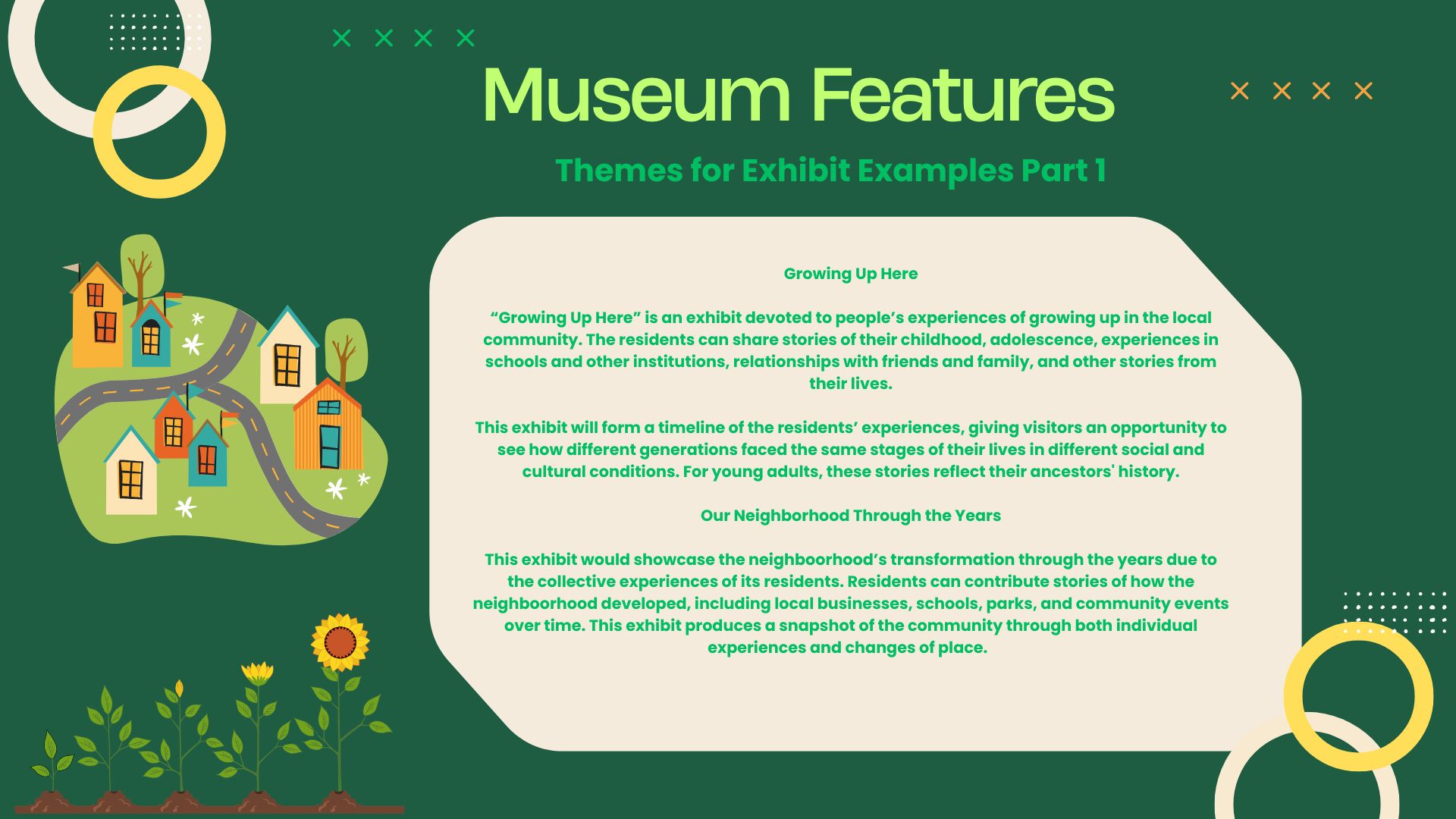
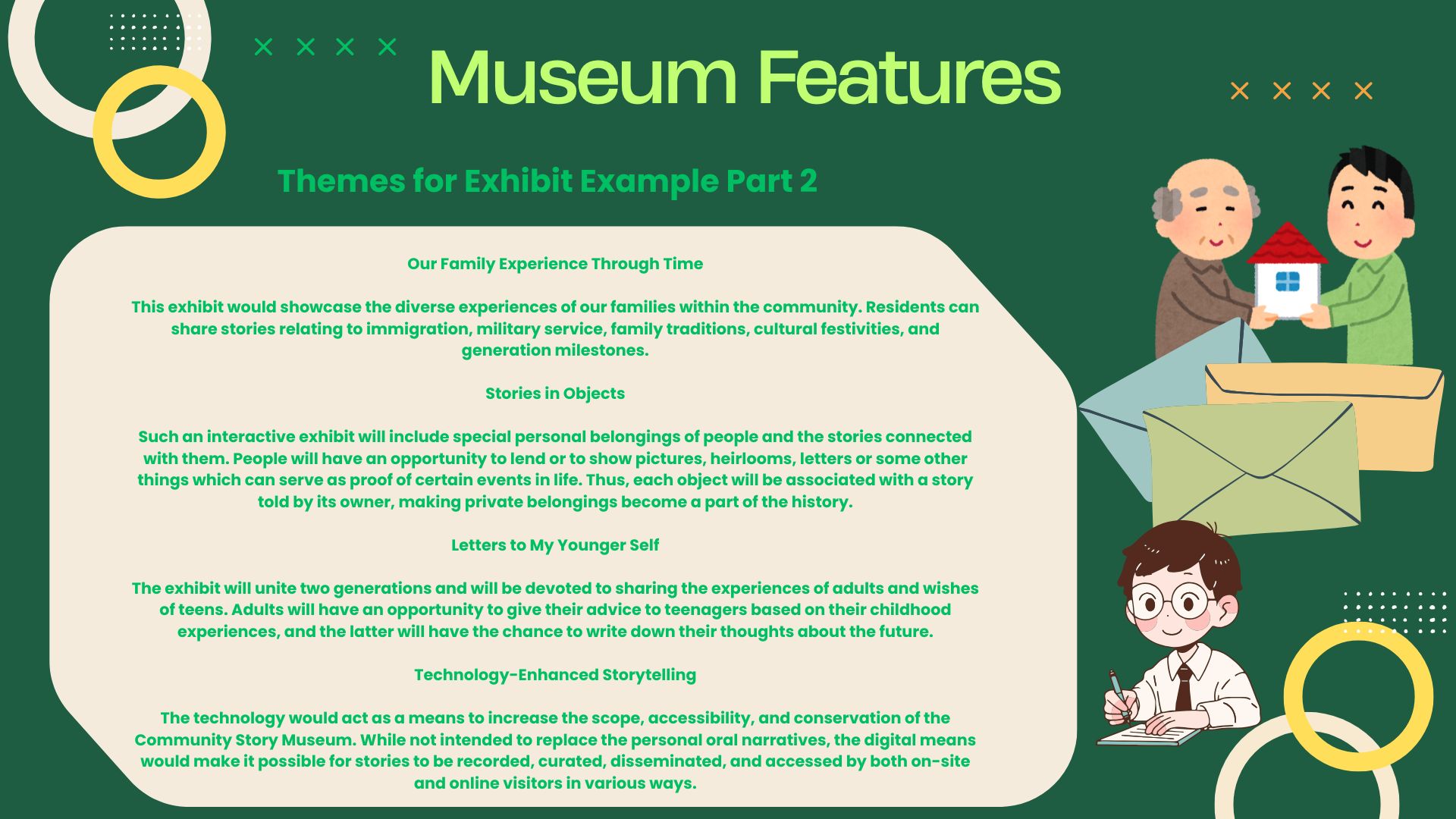
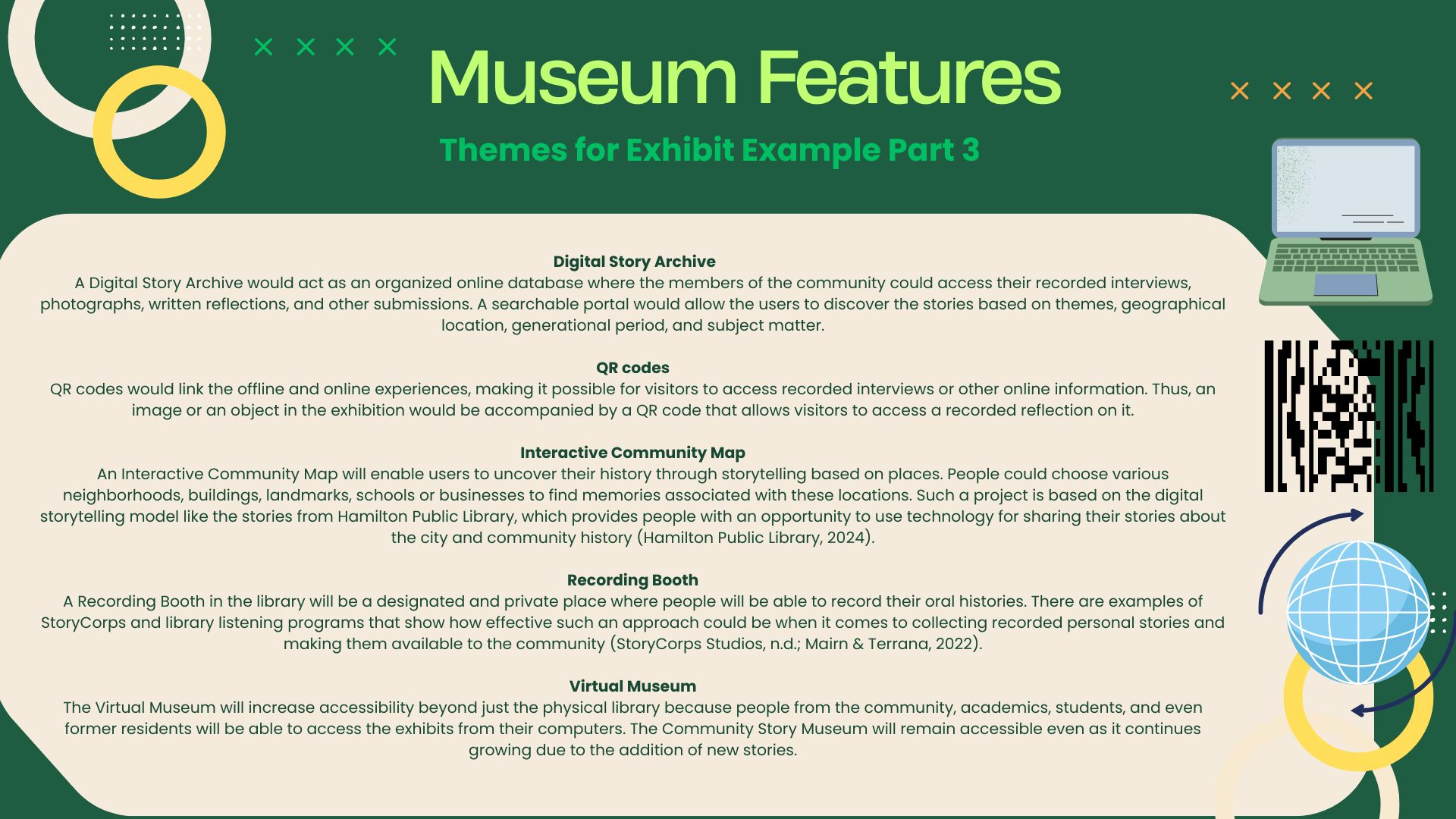
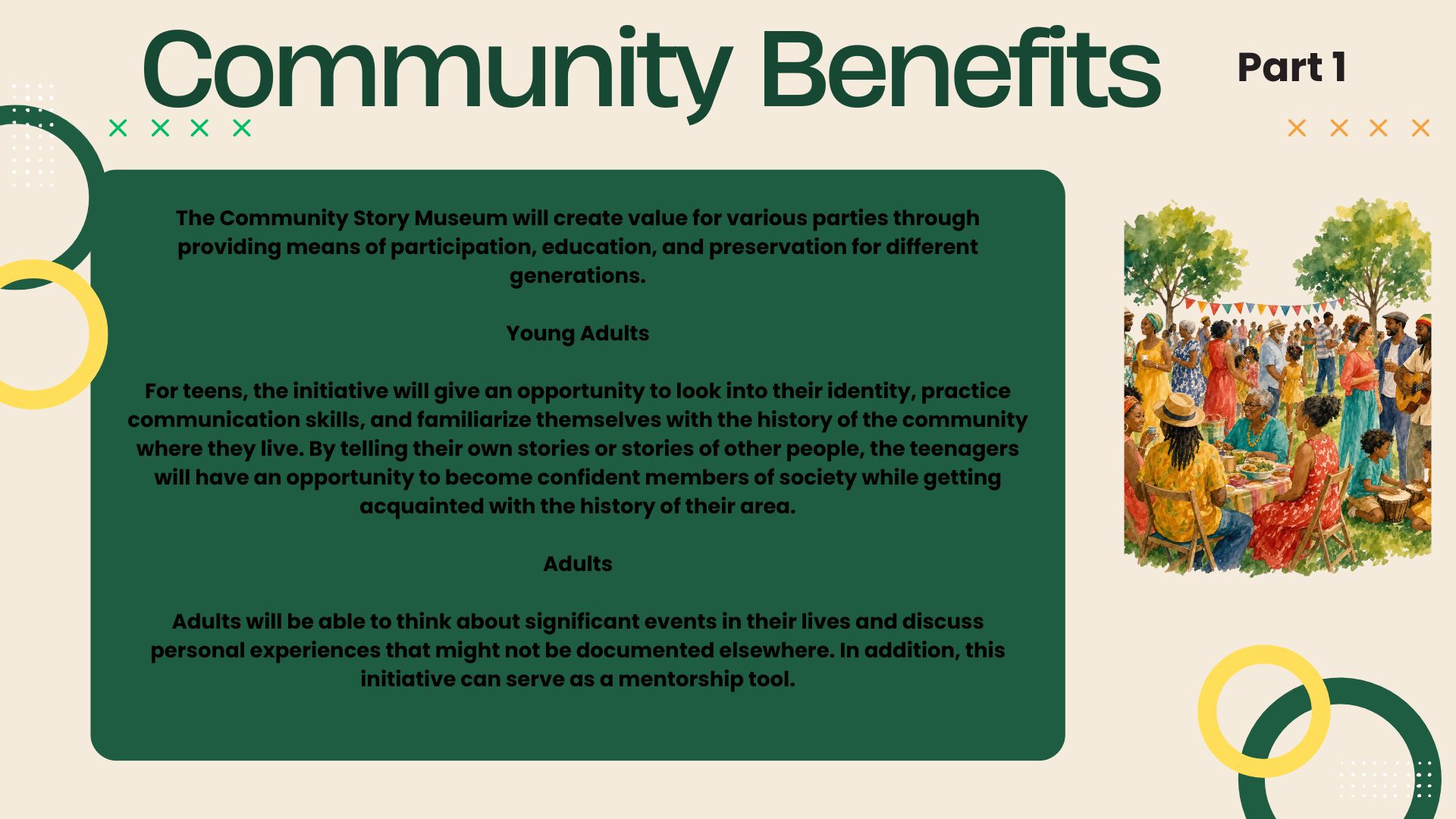
Infinite Learning: Learning Without an Ending
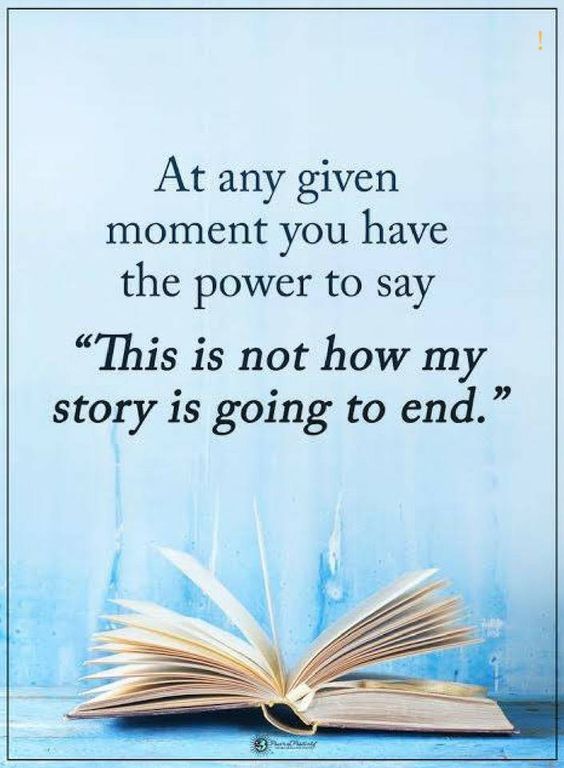
Every story has the potential to never truly have a complete ending. Even after the final words on a page, we can speculate about what happens next and how future events might continue to shape the story. I think this analogy is especially fitting for librarians because the profession continues to evolve as the world evolves. As Greenwalt (2013) explains, librarians are in it for “the long game” because they have successfully adapted through major changes, including the emergence of the web, while drawing on a long history of serving their communities. Librarians not only need to continue helping patrons learn about the world as it changes, but they must also continue learning themselves. In many ways, every new advancement becomes another chapter in the profession rather than the end of its story.
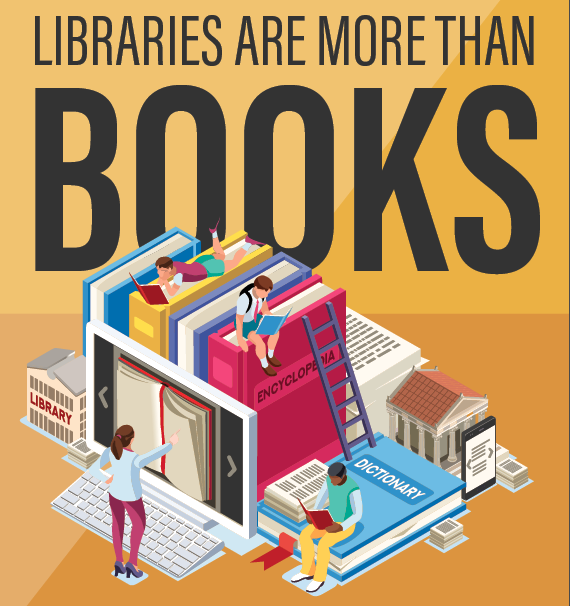
As Stephens (2014) discusses in his insights on infinite learning and the stance librarians should take, librarians are no longer viewed simply as people who tell patrons to be quiet and maintain large book collections. Instead, librarians are constantly working in a beta version, adapting and improving themselves, since there is always something to improve on. It is essential to understand that people’s ways of getting their information keep changing. According to Greenwalt (2013), in 2012, e-book sales were higher than book sales, which shows how fast people’s habits may change. Instead of considering it as a challenge, librarians should consider it as an opportunity to search for new ways of bringing information to people regardless of its format. In addition to reading, people also get their information from other sources. The Marsden Library Sensory Space demonstrates that some children, particularly those up to age 12, benefit from interactive and sensory experiences that support learning in ways traditional library spaces may not (“Marsden Library’s Sensory Space,” n.d.). To me, this shows that libraries are no longer centered only around books but around supporting many different learning styles within their communities.
In addition, shortening attention spans fueled by social media, along with artificial intelligence’s ability to summarize books and articles, continue to change how people consume information. The CBS News video Writer argues the age of reading has ended (CBS News, 2026) argues that fewer people are reading today than in previous generations. It even notes that gambling has become a more popular leisure activity than reading. Although this situation is worrying, I am confident that it does not mean that libraries have ceased to exist. I believe that it means exactly the opposite: librarians are needed more than ever to promote curiosity and information literacy.

If the task of a librarian was simply the cataloging of books, then the profession of the librarian would no longer exist. But just as customers learn throughout their life, so too do librarians need to be perpetual learners and apply this knowledge to serve their communities. Perpetual learning is what helps librarians adapt to new technologies, to new needs of their community and to new means of discovery of knowledge. Just as there is never an end to any tale, so too there is never an end to the task of a librarian. Each new technology, each new community need, each new generation of customers marks the start of a new chapter.
References
CBS News. (2026, July 9). Writer argues the age of reading has ended [Video]. YouTube. https://www.youtube.com/watch?v=QZDNd1dXiRA
Fisher, T. (n.d.). Libraries are more than just books [Image]. Roanoke Valley Family. https://roanoke.family/libraries-are-more-than-just-books/
GIVA. (n.d.). What is the meaning of the infinity symbol? [Image]. GIVA. https://www.giva.co/blogs/tales/what-is-the-meaning-of-the-infinity-symbol
Greenwalt, R. T. (2013). Embracing the long game. Public Libraries Online. https://publiclibrariesonline.org/2013/02/embracing/
LoveThisPic. (n.d.). This is not how my story is going to end [Image]. LoveThisPic. https://www.lovethispic.com/image/318969/this-is-not-how-my-story-is-going-to-end
Marsden Library’s sensory space. (n.d.). State Library of Queensland. https://plconnect.slq.qld.gov.au/blog/check-out-marsden-librarys-sensory-space
Stephens, M. (2014). YLibrary: Infinite learning. https://www.dropbox.com/scl/fi/4zt1yliwb2ffzr8euix2p/YLibraryInfiniteLearning.pdf?rlkey=m0v6lkd43ufilkp5aktawhlpr&e=1&dl=0
The Power of Stories: Every Person Has a Story to Share
Throughout the course, “The Power of Stories” has been my favorite module. As much as I probably should not admit it, my love of reading has been one factor leading me toward wanting to be a librarian, but in combination with my current job (in streaming), I genuinely want to ensure people have the content and stories they need to enrich their lives and give them the best opportunities, whether it is to continuously learn, to unwind, or to learn and interact with the particular community around them. Stories not only inspire me, but they also allow me to learn about the world around me.
This module was a helpful reminder that everyone has their own experience and their own story, and within this there is a plethora of information to either enrich our lives, teach us, and help us become more empathetic. In the article “Office Hours: Native Inquiry” (Stephens, 2020), I learned that sometimes the best way to understand a community is simply to ask its members and library patrons directly about what is working, what needs improvement, and what is happening within their environment. It is every single person’s input that completes the full story and picture of the library’s environment. Librarians cannot work in a vacuum because we are serving the community, and the community itself is the biggest asset in informing how the library should serve its patrons.
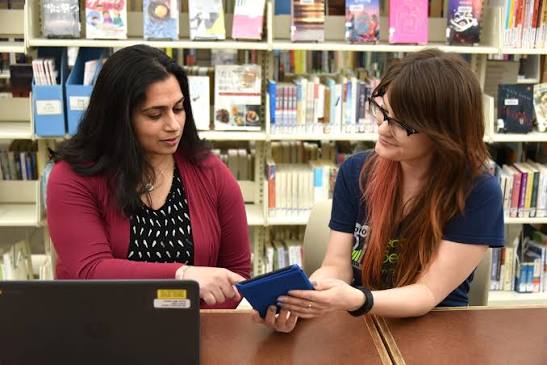
“Challenged but not dying, the public libraries are more relevant than ever” (Stephens, 2019) helped expand my viewpoint that we need to listen to all stories and input from libraries in other communities, as they can in turn inform the library in our own community. We all have experiences we can learn from to improve. This idea connects to the importance of moving beyond assumptions when developing library services. While librarians bring professional knowledge and expertise, the community brings lived experience that cannot be replicated through research alone. By actively listening to patrons, librarians can create programs, collections, and services that are responsive rather than simply based on what they believe the community needs.

Using my own personal story as an example, I was diagnosed with Autism Spectrum Disorder when I was three years old and struggled to read, let alone interact with others. It was my older sister who recommended fiction books such as A Series of Unfortunate Events, Harry Potter, and eventually Twilight and The Hunger Games during middle and high school that ushered me into my love of reading and continued learning. These stories helped me not only grow as a person but also approach life in a much more productive manner. When I started reading manga, people would always say that Naruto was the one to read, but while Naruto was available at the library, I noticed there was also One Piece available at the library, which turned out to be my favorite manga. If the library did not have expanded options and a variety of stories available, I may not have continued reading manga.
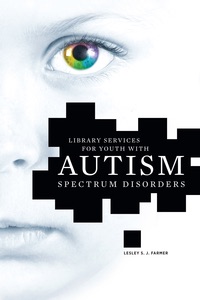
Autism Spectrum Disorder is unique because no two individuals experience it in exactly the same way. Symptoms, strengths, and challenges can vary significantly between individuals, which is why autism is described as a spectrum disorder (National Institute of Child Health and Human Development, 2025). I think this is the perfect analogy for the power of stories: there is no one-size-fits-all story. Every individual brings their own experiences, perspectives, and needs, and it is through listening to these different stories that libraries can truly serve their communities.
References
American Library Association. (2013, May 20). Library services for youth with autism spectrum disorders [Image]. https://www.ala.org/news/2013/05/library-services-youth-autism-spectrum-disorders
caldermedlib. (2026, June 5). We love hearing from our visitors! Patron testimonials of the library! Let us know if you’d like to be featured. #LibraryLove #PatronSpotlight #LibraryStories #CommunityVoices #ReadersOfInstagram #LibrariesMatter [Instagram post]. Instagram. https://www.instagram.com/p/DZNZTeAliZr/
National Institute of Child Health and Human Development. (2025). What are the symptoms of autism? Eunice Kennedy Shriver National Institute of Child Health and Human Development. https://www.nichd.nih.gov/health/topics/autism/conditioninfo/symptoms
Stephens, M. (2019). Challenged but not dying, the public libraries are more relevant than ever.
Stephens, M. (2020). Office hours: Narrative inquiry. Tame the Web. https://tametheweb.com/2020/04/09/office-hours-narrative-inquiry/
University School of Milwaukee. (2026). How can I foster a love of reading in my children? [Image]. University School of Milwaukee. https://www.usm.org/about/blog/post/~board/blog/post/how-can-i-foster-a-love-of-reading-in-my-children
New Horizons: Preparing for the Future of Librarianship
The lectures and readings on the New Horizons module definitely helped me to see the importance of learning from past mistakes and the necessity of not being comfortable with the norm (Fister & Head, 2023). Moreover, the New Horizons module also made me realize that procedures and protocols should be assessed regularly to see if they are effective anymore (New Media Consortium, 2017). As far as my current work in streaming is concerned, constant changes in the environment are expected of us. As we license most of our content, the decision about where our content will be placed might actually impact our business negatively. If some piece of content performs well now but will perform less effectively at another period of time, we have to adapt and choose other content that would fit our current environment. Just as streaming services constantly change their content, I was glad to see how the NMC Horizon Report: 2017 Library Edition emphasized that libraries must continuously evaluate their services, embrace change, and adapt to the evolving needs of their communities.
From the EDUCAUSE New Horizon Report (2026), the issue of AI usage made the biggest impression on me. In other words, instead of opposing what the users want and need, which is using AI to make some things easier, I would recommend promoting responsible usage (EDUCAUSE, 2026). The overarching theme which AI is the most recent example is librarians must learn how they can provide patrons the necessary tools, no matter the format, to help them succeed in their usage of library tools or services. Coming back to the notion of learning from experience, the example of Wikipedia provided by Fister and Head (2023) was very relevant. It is not about preventing people from using a resource but learning how to properly guide them in using those resources. For example, Wikipedia as a tool provides a necessary starting point rather than the last source of information (2023). In my current job, we are learning to monitor platforms in order to make informed, strategic decisions, and we evaluate the data accordingly. Utilizing data, our team has developed a strategy to avoid undesirable placement of our content to monitor for what viewers want to see. As a future librarian, I am aware that I will have to pay attention to the emerging services that customers find useful, understand when the specific technology stops being effective, and make sure that all new services will be sustainable.
In conclusion, this module has emphasized the point that innovation is more than just the latest technological advancement. It involves assessing needs within the community, reflecting on past experiences, and making decisions that contribute towards success. As I strive to become a young adult librarian, I hope to embrace new technologies with an open mind but will never lose sight of the needs of my patrons in the decision-making process.
References
Crossroads Centre Antigua. (2024, October 18). The only constant in life is change – Heraclitus [Image]. https://crossroadsantigua.org/the-only-constant-in-life-is-change-heraclitus/
EDUCAUSE. (2026). 2026 EDUCAUSE Horizon Report: Teaching and Learning Edition. https://library.educause.edu/-/media/files/library/2026/5/2026hrteachinglearning.pdf
Fister, B., & Head, A. J. (2023, May 4). Getting a Grip on ChatGPT. Inside Higher Ed. https://www.insidehighered.com/opinion/views/2023/05/04/chatgpt-reshaping-information-infrastructures-opinion
New Media Consortium. (2017). NMC Horizon Report: 2017 Library Edition. https://www.dropbox.com/scl/fi/hxs7kuv54vwew0cpg6570/2017nmchorizonreportlibraryEN.pdf?rlkey=h978y9r0bnmnylqbdcmfmud4s&st=8s391nka&e=1&bmus=1&dl=0
Roberts, T. (2025, January 28). Ten reasons not to use AI for development and ten routes to more responsible use [Image]. Appropriating Technology. https://appropriatingtechnology.org/ten-reasons-not-to-use-ai-for-development-and-ten-routes-to-more-responsible-use
Innovation Strategy & Roadmap: Outdoor Library-as-a-Service (OLaaS) – A 24/7 Hybrid Learning Space in Westwood
What is the Idea?
Innovation Description
A new innovative idea is the creation of an Outdoor Library-as-a-Service (OLaaS) model near the Westwood branch of the Los Angeles Public Library. The OLaaS innovation will extend library services from the building itself to a 24-hour technology-enhanced public learning space in the surrounding park area. Unlike adopting technology simply because it is new, the OLaaS project places greater emphasis on planning, community involvement, and long-term sustainability, reflecting the ideas presented in Technoplans vs. Technolust (Stephens, 2004).
Purpose of Innovation
The purpose of such an innovation would be to create an accessible learning community for not only UCLA students but also for the community members that make use of public facilities for safety and learning.
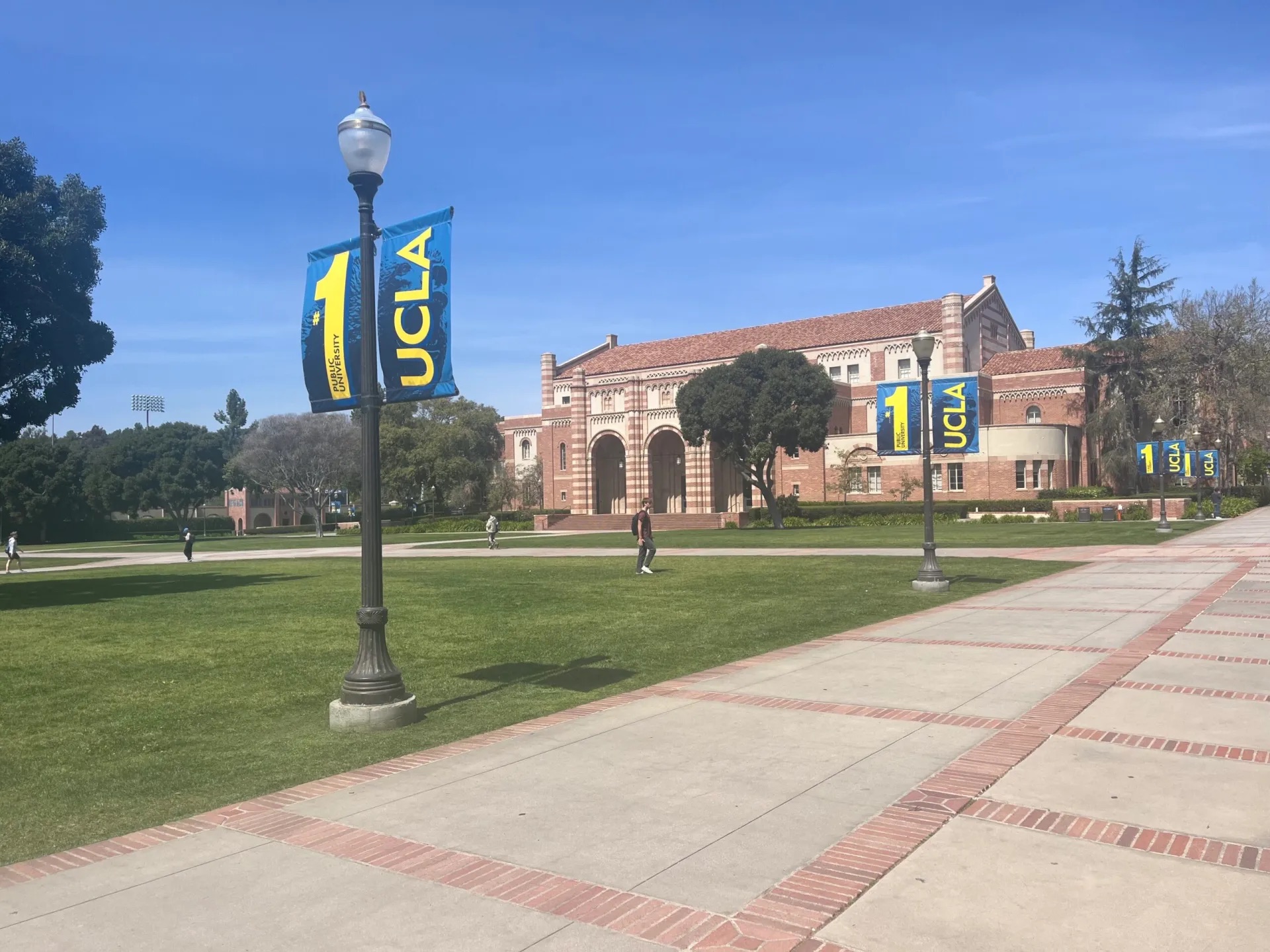
This framework incorporates current trends in libraries through social infrastructure, outdoor digital connectivity, and design flexibility for service provision (Institute of Museum and Library Services [IMLS], 2022; Stephens, 2016). Critical elements of OLaaS are outdoor Wi-Fi networks, charging points, modular furniture and study spaces, and digital access nodes used for searching the library collection and services. With QR codes and mobile apps, users can access the library services from anywhere outside the building on their mobile phones.
OLaaS seeks to solve the problem of overcrowding in the library space to increase accessibility of information and study space during non-operating times of the library (Aabø & Audunson, 2012).
- Mission & Institutional Context
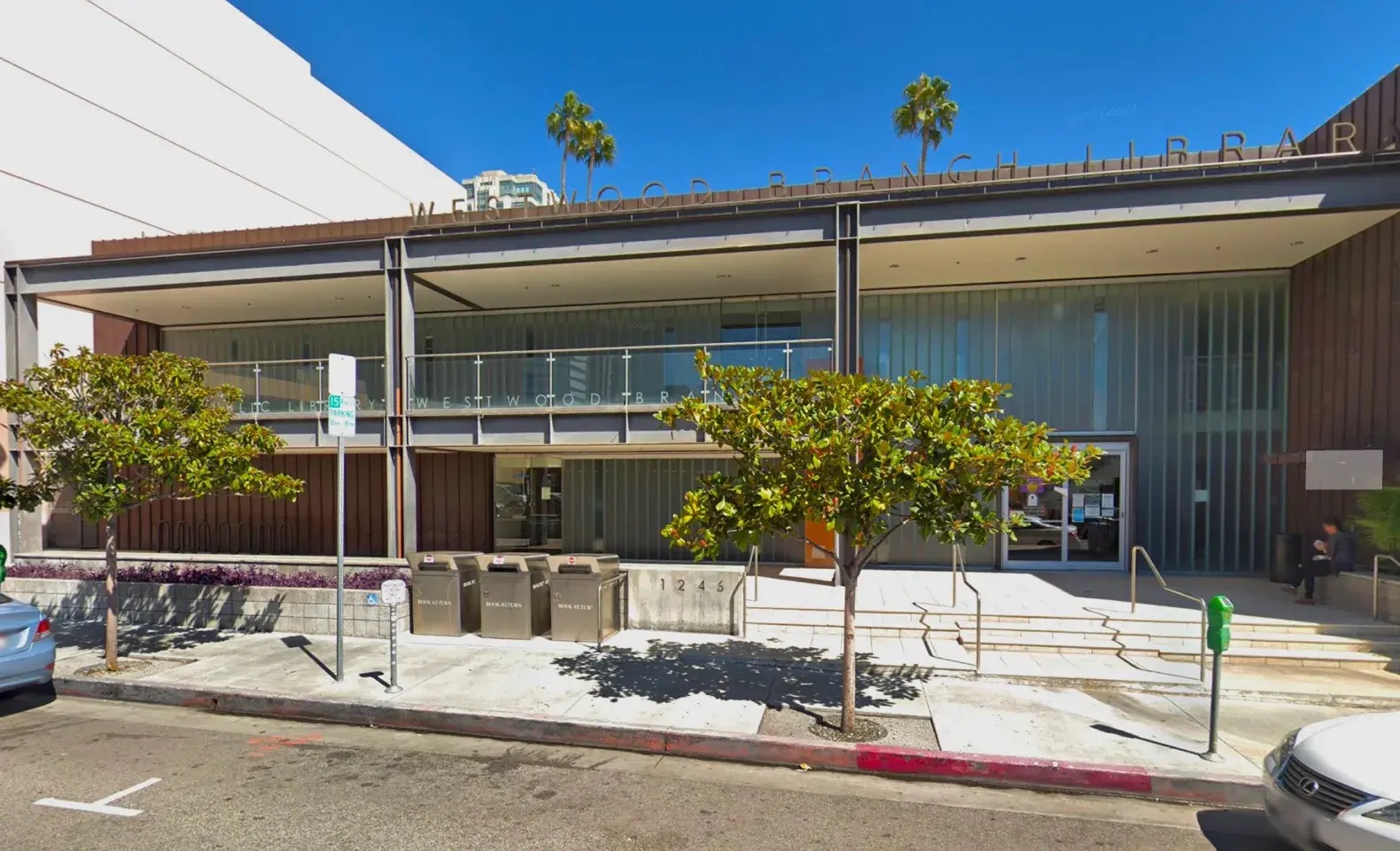
Los Angeles Public Library is geared towards serving an urban community in need of information, education, and other resources, in addition to offering free and equitable access to such services (Los Angeles Public Library, n.d.). In particular, the library at the Westwood Branch functions in a unique setting, owing to its close connection to UCLA and the socioeconomic disparity, which includes homeless people who depend on the public space as their only reliable option.
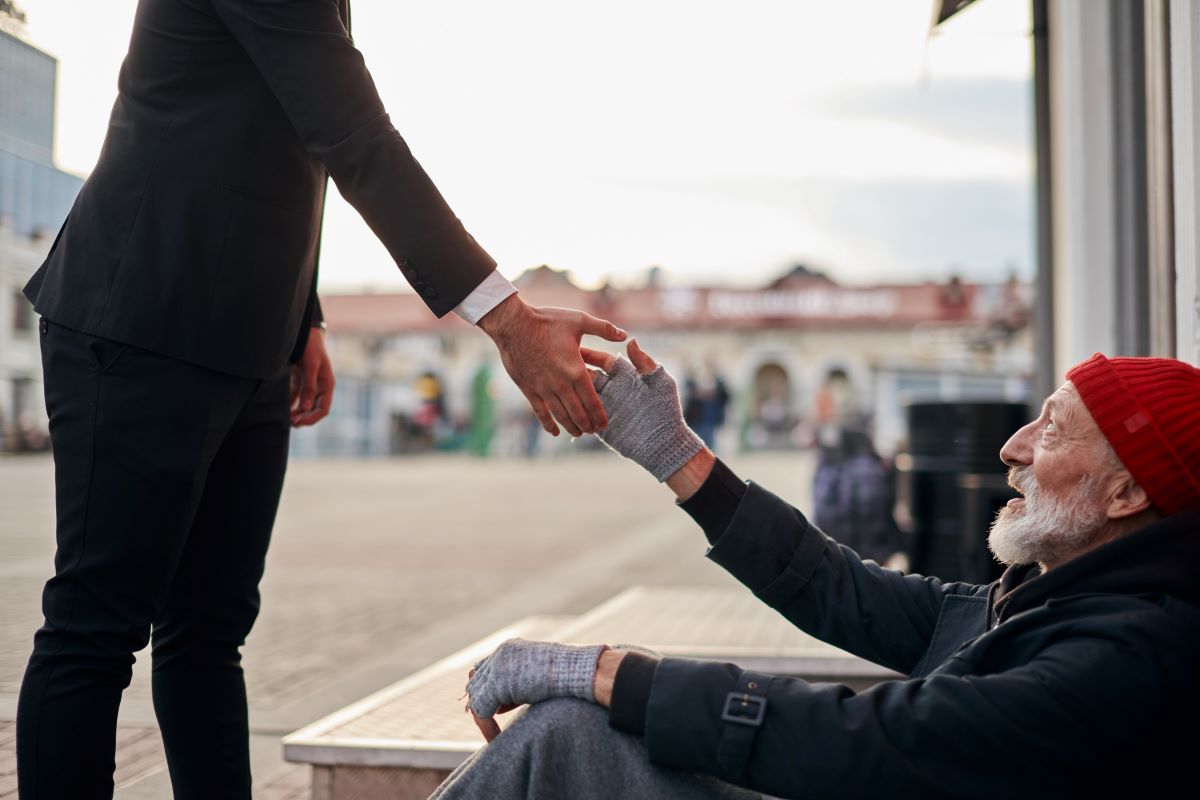
Current challenges include a lack of seating inside, limited operating hours, and high demand for studying space. Such barriers are experienced especially during the time when there is an increase in the number of students. Such innovations are necessary as public libraries become less focused on their buildings and more connected to the community through digital expansion. These innovations are important at the moment due to libraries being key to accessing digital technologies and learning informally (American Library Association, 2023).
OLaaS fulfills the objective of the library in its mission of providing equitable access to services not only within the library but also outside its premises, such that services are available during the off hours (Stephens, 2016).
Action Brief Statements
Westwood Branch Action Brief
User-Centric Action Brief
Persuade UCLA students and members of the Westwood community that by engaging in the OLaaS space, they can benefit from 24-hour access to a safe, connected, and flexible environment for learning and accessing information, which will result in improved learning experiences, reduced space barriers, and increased access to library services on an equal basis, as the library aims to extend knowledge and access beyond its physical walls.
Staff/Administrative Action Brief
Persuade library staff and administration that by adopting OLaaS as an outdoor service expansion in phases, they will be able to overcome the problem of indoor overcrowding, expand their reach, and promote community engagement, which will reinforce the library’s status of a 24/7 civic resource, as libraries are changing into hybrid infrastructures of digital and physical spaces.
Where Did I Find Inspiration?
The idea for this innovation was inspired by current trends in public libraries that emphasize expanding access beyond the physical building, promoting digital equity, and creating community-centered public spaces. Rather than replicating an existing program, this roadmap combines several emerging ideas into a service model designed specifically for the Westwood community.
- Institute of Museum and Library Services (IMLS)
- Research and funding initiatives that encourage libraries to develop innovative services, improve digital access, and strengthen community engagement.
- Little Free Library
- Demonstrates how library services can extend beyond traditional buildings into neighborhoods through accessible, community-based spaces (Little Free Library, n.d.).
- Project for Public Spaces
- Highlights how thoughtfully designed public spaces can foster learning, social connection, and civic engagement, providing inspiration for integrating library services into a nearby park (Project for Public Spaces, n.d.).
- San Mateo County Libraries “Library Outpost”
- Demonstrates how libraries can extend services beyond traditional buildings by providing access points in community spaces. While the existing model focuses primarily on automated material access, OLaaS expands on this concept by combining technology, learning spaces, and community engagement to create a more interactive outdoor library extension (San Mateo County Libraries, 2024).
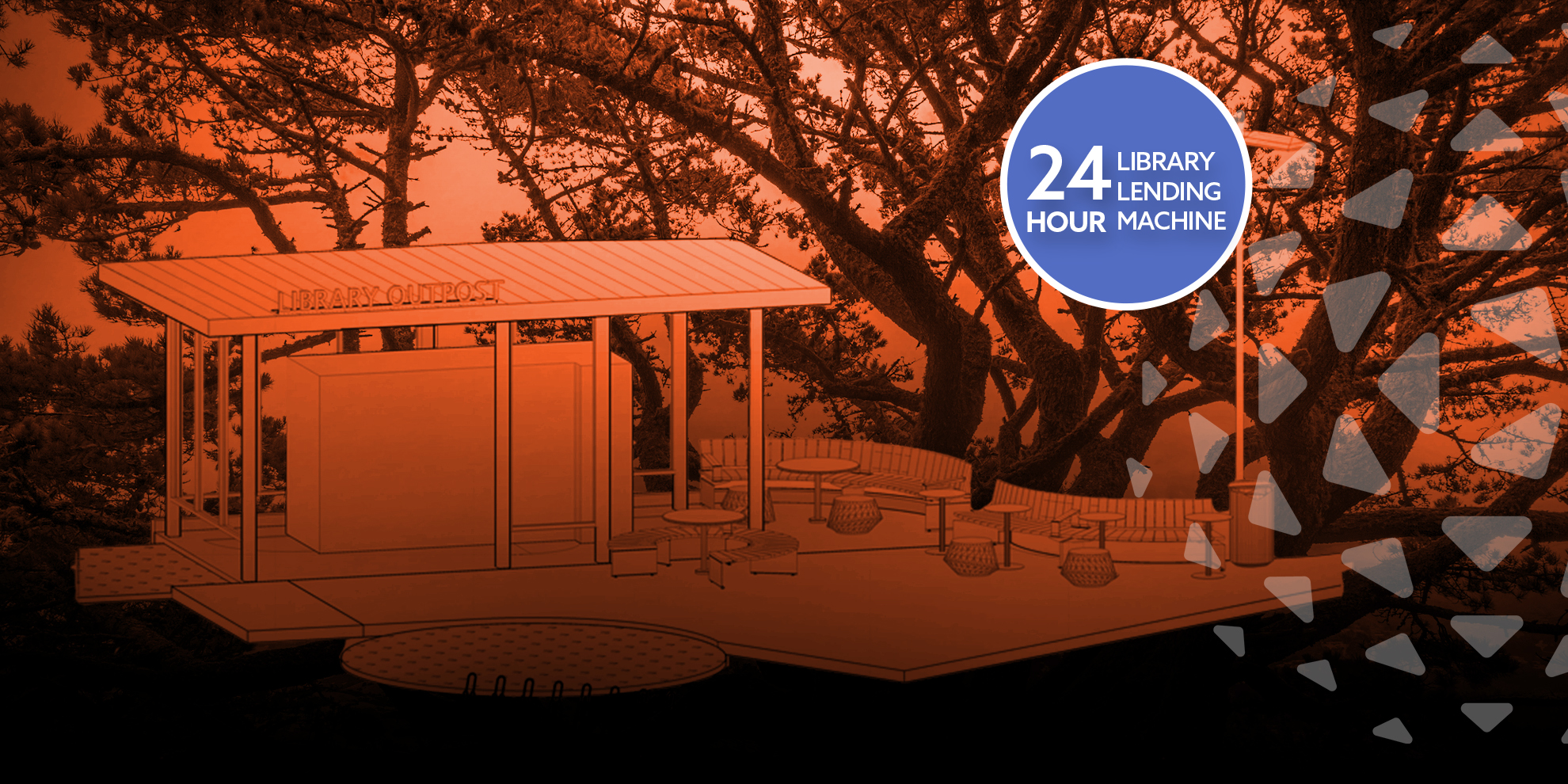
The concept was also inspired by the increasing role of public libraries as community hubs that provide technology access, flexible learning environments, and welcoming spaces for diverse populations. This proposal adapts those ideas to the unique needs of the Westwood neighborhood by creating a 24/7 outdoor library extension that serves students, local residents, and unhoused community members.
Guidelines & Policies
Guidelines for OLaaS would address accessibility, digital privacy, safety, and ongoing maintenance of the outdoor space. Policies should be developed collaboratively with Westwood Branch staff, Los Angeles Public Library leadership, city partners, and community stakeholders to ensure the space remains inclusive, secure, and responsive to user needs.
-
-
- Accessibility and Inclusion
- Design the outdoor space in accordance with ADA guidelines, providing accessible seating, pathways, charging stations, and technology access points for all kinds of users.
- Digital Privacy and Safety
- Set up policies regarding public Wi-Fi usage, data privacy, device security, and proper technology usage.
- Space Management and Maintenance:
- Create policies regarding cleaning, maintenance of equipment, closures due to weather conditions, and monitoring outdoor resources.
- Community Safety
- Work in cooperation with library staff, city authorities, and community partners on the development of safety protocols without compromising openness of the space.
- Policy Development: Involve Westwood Branch staff, Los Angeles Public Library management, UCLA community partners, facility staff, and community members in the development of the policy guidelines.
- Accessibility and Inclusion
-
Timeline for Implementation
Phase 1 (0–3 months): Planning & Community Engagement
- Conduct stakeholder meetings with library staff, city officials, UCLA representatives, and relevant community groups.
- Gather user feedback through survey or any other necessary method.
- Analyze the site for utilities and conduct safety assessments for the location.
Phase 2 (3–6 months): Setup
- Install Wi-Fi extension from the adjacent library building and add lighting features.
- Add modular seating, charging stations, and any other infrastructure to the approved area.
- Determine best layouts for small-scale study zones.
Phase 3 (6–12 months): Service Expansion
- Introduce QR-based catalog access points for digital access.
- Add mobile book/resource carts for outdoor access to library materials.
- Softly launch library programming in the space including study groups, tutoring sessions, etc.
Phase 4 (12+ months): Full Integration
- Fully launch all programming and services for the outdoor space.
- Evaluate community usage data and other useful insights from pre and post-launch.
- Expand or adjust services as needed based on feedback and data.
- Formalize OLaaS as a permanent library service extension.
- Marketing & Promotion
Marketing efforts will center on positioning OLaaS as the latest type of library:
- Conduct campus outreach via UCLA student network and digital signage.
- Create a social media campaign focusing on 24/7 availability and flexibility (American Library Association, 2023).
- Post onsite signs with QR codes pointing to library resources.
- Partner with student and community organizations for outreach.
- Launch website portal titled “Westwood Outdoor Learning Space.”
Message to be communicated: “Your Westwood Branch library never closes.”
Staff Training & Readiness
Staff training needs to cover the following areas:
- Address service management and facilities maintenance for hybrid indoors-outdoors facilities.
- Maintain the digital access technology including the Wi-Fi systems and QR codes in the catalogs.
- Continue to encourage community involvement in an open environment.
- Monitor for De-escalation scenarios and upkeep inclusive services (American Library Association, 2023).
The training program will consist of workshops, pilot tests, and peer training among libraries with similar outdoor or extended-hours facilities (Stephens, 2016). The training process will be conducted using personnel from the Westwood Branch library administration, and other facilities/technology teams as appropriate, with training being done by library administrators, IT professionals, and other partners responsible for outdoor technology facilities.
Evaluation & Future Expansion
Success will be evaluated based on:
- Metrics of usage in the data including but not limited to peak times, night time usage, and device usage.
- Surveys of user satisfaction from students and community members (IMLS, 2022).
- Crowd management between the indoor and outdoor library area.
- Indicators of equity access (user diversity) usage (American Library Association, 2023).
- Patron feedback on safety, comfort, and usability of the new area.
- Future plans may involve:
- Potential deployments of OLaaS spaces at more LA Public Library branch locations.
- Integration of solar power technology for a more eco-friendly set up.
- Scaling to non-library locations for an “outdoor library zones” city-wide network.
- Collaborate with UCLA for more student-driven programs.
Conclusion
Through the Outdoor Library-as-a-Service (OLaaS) approach, the function of the public library is transformed from one of an ever-present, dispersed, and participatory civic infrastructure. Through leveraging services in the nearby public spaces (Stephens, 2016) through technology and design, the Westwood branch can provide a 24/7 learning hub that truly responds to the diverse communities it serves.
References
Aabø, S., & Audunson, R. (2012). Use of library space and the library as place. Library & Information Science Research, 34(2), 138–149. https://doi.org/10.1016/j.lisr.2011.06.002
American Library Association. (2023). Libraries transform communities. https://www.ala.org/tools/librariestransform/libraries-transforming-communities
Burke, M. (2026). UCLA’s campus in the Westwood neighborhood of Los Angeles [Photograph]. EdSource. In New UCLA program aims to help students struggling to transfer from community colleges. LA Local. https://thelalocal.org/education/new-ucla-program-aims-to-help-students-struggling-to-transfer-from-community-colleges/
enserz. (2024, September 15). Equity and the curriculum [Image]. Teaching it Real. https://teachreal.wordpress.com/2024/09/15/equity-and-the-curriculum/
Figueroa, J. (2023, November 18). Solving homelessness benefits everyone. Invisible People. https://invisiblepeople.tv/solving-homelessness-benefits-everyone/
Institute of Museum and Library Services. (2022). Strategic plan 2022–2026. https://www.imls.gov
KTLA. (2025). LA Central Library 100th anniversary celebration [Photograph]. KTLA. https://ktla.com/news/local-news/la-central-library-100th-anniversary-celebration/
Little Free Library. (n.d.). About Little Free Library. https://littlefreelibrary.org
Los Angeles Public Library. (n.d.). Mission and strategic plan. https://www.lapl.org
Los Angeles Public Library. (n.d.). Westwood Branch Library [Photograph]. Los Angeles Public Library. https://www.lapl.org/branches/westwood-branch-library
Project for Public Spaces. (n.d.). What makes a successful public space? https://www.pps.org
San Mateo County Libraries. (2024). Introducing our first library outpost. https://smcl.org/blogs/post/introducing-our-first-library-outpost-presentamos-nuestro-primer-outpost-de-la-biblioteca/
San Mateo County Libraries. (2023, December 7). Our first Library Outpost is coming! [Photograph]. San Mateo County Libraries. https://smcl.org/blogs/post/our-first-library-outpost-is-coming/
Stephens, M. (2004, November 1). Technoplans vs. technolust. Tame the Web. https://tametheweb.com/2004/11/01/technoplans-vs-technolust/
Stephens, M. (2016). The Heart of Librarianship: Attentive, Positive, and Purposeful Change. ALA Editions.
U.S. Army Garrison Wiesbaden Family and MWR. (n.d.). 24/7 Library access [Photograph]. Wiesbaden Army MWR. https://wiesbaden.armymwr.com/happenings/247-library-access
Hyperlinked Environments: Millennials, Digital Reading, and the Modern Library
For the Hyperlinked Environments module, the readings from the Public Library and the Research and Current Issues sections interested me the most. Some of the newer revelations included the success of abolishing library fines (The City Library, 2018) and the trend of digital reading and the increasing number of people reading electronic books (Geiger, 2014). Last but not least, the finding that fascinated me the most in the readings was that Millennials tend to visit the library more often than their predecessors (Geiger, 2017).
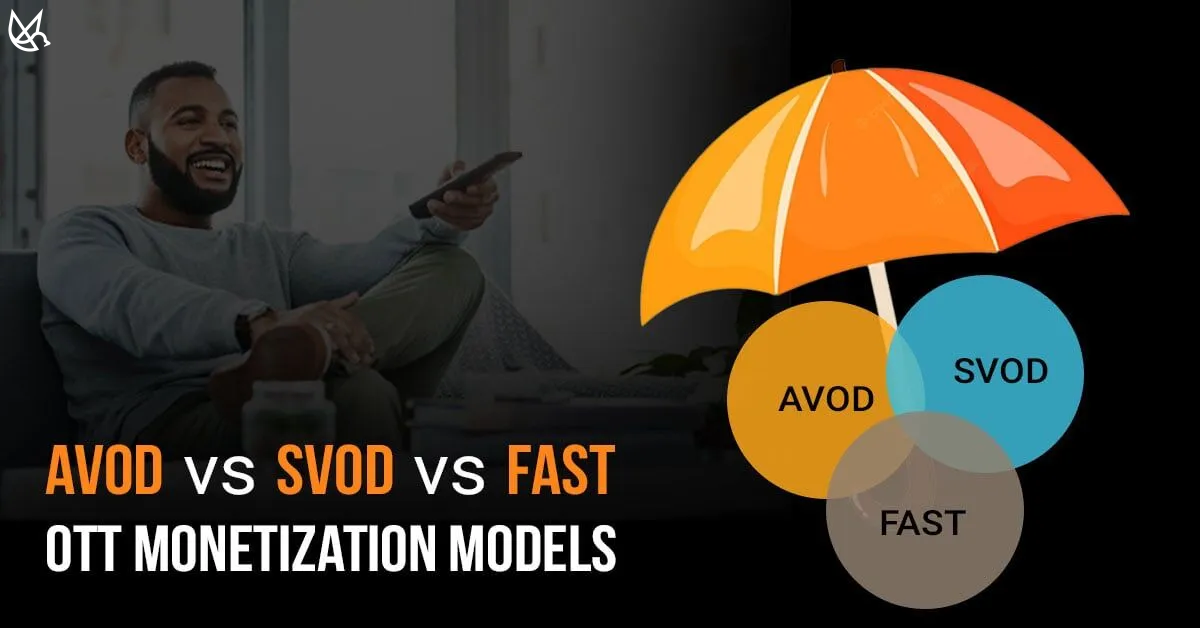
I found that there were certain elements mentioned in the articles that related to these insights and had to do with finances. In the case of late fees, they accounted for only 0.3% of earnings (The City Library, 2018), and the author discussed the benefits that libraries receive from abolishing them. In my present job as a manager of a streaming service, we live in an environment where we know which platforms have advertisements (AVOD), which have the most number of people viewing them, and where the revenue comes from. This influences how much money we spend on different programs and which rights we get for our content. Linear channels (FAST) may have lots of viewers, yet not generate the needed revenues. They only serve to attract attention and make the channel popular, which is beneficial to the subscription on-demand (SVOD) platforms generating the required revenue.
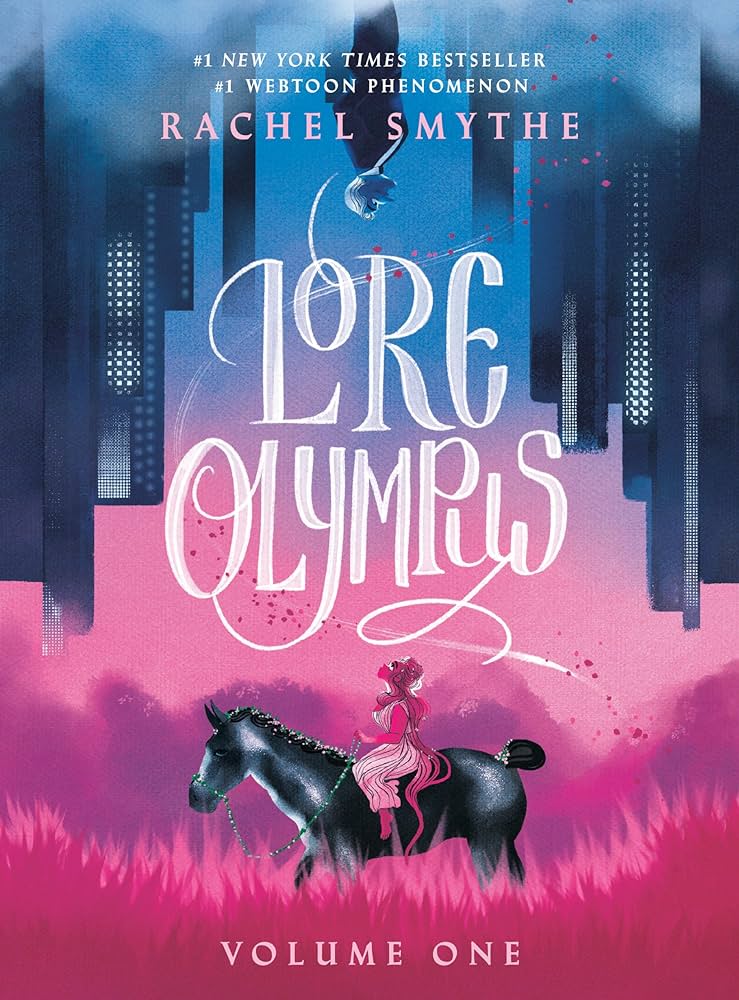
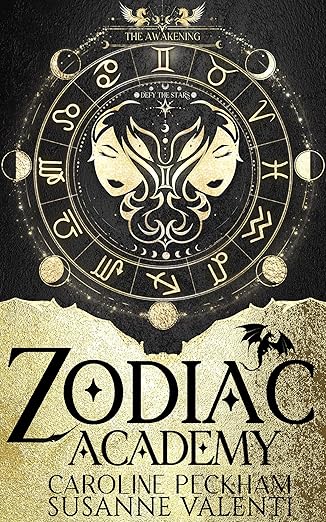
Whereas all that a library requires is budget management for maintenance and service to the public, with an attempt to provide better services to the community, it is necessary to assess all library services (and their environments) to figure out what should be done in order to provide the best service to the community. I felt like there was a comparison with people who are still borrowing physical books, particularly in regard to licensing and the way libraries have to monitor the format of books they are offering. Early this year, I wanted to read two very popular series, The Zodiac Academy and Lore Olympus. Through some quick online research, I realized that The Zodiac Academy could be found on Kindle Unlimited and Lore Olympus on Webtoon. Based on my assumption that e-book rights are a very complex system due to the origin of the books, patrons checking out these series through the library often have to borrow either the physical book or audiobook in the case of The Zodiac Academy, and the physical graphic novel for Lore Olympus.
Millennials have been born during an age of transition from analogue to digital technology, and it stands to reason that, since they are comfortable with both digital and analogue products, the shift from libraries to computers and other technological advancements has occurred alongside them, as highlighted by the Pew Research study (Geiger, 2017). I also would not be surprised if money was a factor here, since Millennials are likely to have accumulated less wealth due to their age, meaning that they will use the library more than other older generations. In general, while it is essential for the library to adapt to changing circumstances as highlighted by the statistics above, librarians should certainly consider those people who are using the library the most and provide what is required for them.
References
Doverunner. (2023, July 7). AVOD vs SVOD vs FAST: OTT monetization models [Illustration]. https://doverunner.com/blogs/avod-vs-svod-vs-fast-in-ott/
Geiger, A. W. (2014, January 24). 10 facts about Americans and public libraries. Pew Research Center. https://www.pewresearch.org/short-reads/2014/01/24/10-facts-about-americans-and-public-libraries/
Geiger, A. W. (2017, June 21). Millennials are the most likely generation of Americans to use public libraries. Pew Research Center. https://www.pewresearch.org/short-reads/2017/06/21/millennials-are-the-most-likely-generation-of-americans-to-use-public-libraries/
Smythe, R. (2021). Lore Olympus (Vol. 1) [Book cover]. Del Rey.
The City Library. (2018, August 10). The fine free library: One year later. Medium. https://slcpl.medium.com/the-fine-free-library-one-year-later-d28c69743c15
Valenti, C., & Peckham, S. (2019). Zodiac Academy: The awakening [Book cover]. Dark Ink Publishing.
Hyperlinked Communities: Learning from BookTok and Digital Trends
The “Hyperlinked Communities” module helped me realize that libraries must be patron-centered no matter what form their service might take. Another major theme highlighted in this module is the understanding of what is going on in the community and why, to better understand how to help that community in the current environment. Gen Z is a great example of the young generation brought up in the digital age, and it is very important for librarians to understand how they can tailor the services they provide to this group. As a person working currently as a manager of a children’s streaming service, I try to do the same for Gen Alpha. Understanding the context of the users is an integral part of providing the best services, and a great example of this idea could be seen in the article by Jensen “As Seen on #BookTok: Inspiring Young Readers, TikTok Is a Boon for Books” (Jensen, 2022).
There was a clear change in franchise power in the entertainment industry. For instance, within the DC universe with Superman, it is increasingly becoming the franchise itself which pulls people into watching the content, hence the development of more sequels and prequels (Katz, 2019). It was perhaps the case before where star names like that of Henry Cavill (aka Superman) could be a key factor in pulling the crowd, but now it’s the franchise name itself instead. Within the streaming market, especially when looking at the children’s app, the case is quite analogous. My team is always on the lookout for franchises which are recognizable since it is usually the recognized franchise which makes the viewing work for us.
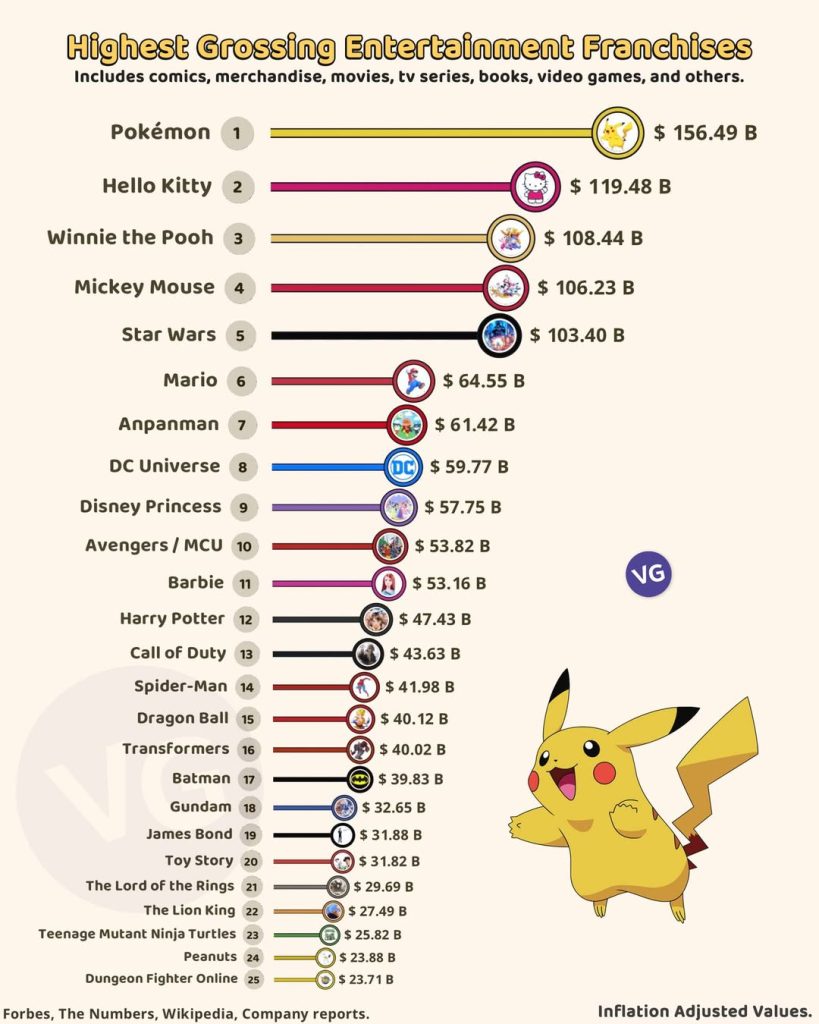
Within the library context, BookTok has breathed new life into books that may be years after their initial release date. The social media platform has been the main avenue from which individuals get book recommendations, especially for the younger generation. One example of this is Shatter Me by Tahereh Mafi, finding a resurgence in the mid to late 2020s after its release date in 2011 (Jensen, 2022). Just like the film industry and streaming platforms depend on franchise titles, libraries need to understand how their patrons are being introduced to books in order to predict shifting demand. It is important to know what books are popular now and why.

Overall, however, the success of a library does not come from how well it follows the trends that develop across the nation but rather by how well it responds to the particular needs of its local community. Although platforms such as BookTok may offer librarians an opportunity to see what people are interested in, it is important for the professionals to continuously consider how those trends relate to the patrons of their libraries and how to respond to them to meet their patrons’ changing needs. As I work on developing myself as a future librarian, it was very useful to think about how communities communicate, exchange information, and explore their new interests through this module.
References
GadgeteerZA. (2024, December 22). 4 free eBook reader apps for Android to get you out of your reading slump [Featured image]. GadgeteerZA. https://gadgeteer.co.za/4-free-ebook-reader-apps-for-android-to-get-you-out-of-your-reading-slump/
Higher Logic. (n.d.). The complete guide to online community [Infographic/website image]. Higher Logic. https://www.higherlogic.com/online-community-guide/
Jensen, K. (2022, February 10). As seen on #BookTok: Inspiring young readers, TikTok is a boon for books & libraries. School Library Journal. https://www.slj.com/story/as-seen-on-booktok-inspiring-young-readers-tiktok-is-a-boon-for-books-libraries
Katz, B. (2019, January 23). How movie franchises became more important than their stars. Observer. https://observer.com/2019/01/star-trek-chris-pine-superman-henry-cavill-movie-star-value/
VGraphs. (2025, Month Day). The highest-grossing entertainment franchises of all time [Infographic]. Facebook. https://www.facebook.com/VGraphs/posts/1241845021296666
Assignment X: Library 2.0 and the Value of Continuous Change
Change is unavoidable, and for libraries, the evidence is the evolution of technology and the idea of Library 2.0. Casey and Savastinuk (2007) introduce the concept of a continuously evolving library that adapts alongside the community in the text Library 2.0: A Guide to Participatory Library Service. Technology plays a major part in this shift, serving as one of the best examples of libraries adapting to the present. In Denning’s (2015) Forbes article “Do We Need Libraries?” he explains that there has been a shift from a seller’s market to a buyer’s market, with more information than ever available online to help users make informed decisions. He ultimately raises the question of whether libraries have a future at all, emphasizing the pressure created by rapid digital change.
Despite the introduction of the web, libraries continue to exist because information access alone is not the full picture. It has remained necessary for individuals to depend on information professionals in using technological tools. This brings into focus the importance of Library 2.0 as an approach that considers continuous adaptation based on changing user needs. It entails more than simply embracing technological developments; rather, it involves constant changes to services based on user behavior. Librarians must examine the idea of why procedures are done a certain way (within reason) and instead ask why not do it differently or how they can improve the status quo. The best example for this is extended evening hours, which was given as one of the examples in the first chapter of The Heart of Librarianship: Attentative, Positive and Purposeful Change (Stephens, 2016). The biggest takeaway from the first chapter of Stephens’ (2016) book is that librarians must lead with empathy and consider how they can serve as many patrons as possible. By changing the thought process and encouraging new strategies for serving patrons, libraries have an opportunity not only to serve current users, but also to expand and introduce new users to the library.
One strategy I would say goes with this, as I am familiar with working in streaming in the entertainment industry and maintaining large content catalogs, is the long tail concept (Nielsen Norman Group, 2021). This works similarly to catalog management for books in libraries, but the idea is you want the catalogue to be as large as you are able to support. Titles that may not initially be in demand can resurface and allow engagement to be maintained and grow beyond only the most popular titles (Nielsen Norman Group, 2021). I think this concept can also be implemented in library services overall by considering feasible ways to provide more access, such as the example of a 24/7 library. While it might not serve every current patron, it could serve some outlier users or introduce new patrons who might take advantage of these expanded services and ultimately increase engagement with the library.

(Nielsen Norman Group, 2021)
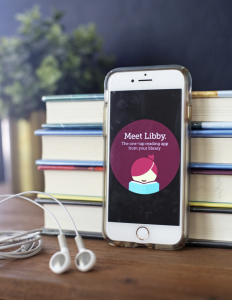
Continuing on this idea, while collections should still be supported and maintained, libraries may need to shift toward a user-focused model rather than a collection-focused model. Technology has shown us that there are various ways to provide services that help libraries adapt. One example of this is the use of Libby, Overdrive and Hoopla, among other platforms, to provide digital access to audiobooks, music, movies, and of course electronic books (Bradshaw, 2026). I personally regularly use Libby to access audiobooks and ebooks when they are available. As a busy patron, I might struggle to make it to the physical library location, and the digital access Libby provides brings the library to me. I wonder whether libraries could take a more service-first approach, where collections are built to support programming and learning initiatives. My interest lies in whether a tighter connection between programs and collections would provide a more unified experience for users. With resources available in different forms, libraries can reach their audience in ways that are convenient for everyone involved, taking into account various time and personal factors.
(Bradshaw, 2026)
While we realistically know libraries cannot carry all materials or provide every desired service, by continuing to expand upon current strategies and service models, libraries can be more successful in implementing Library 2.0 and avoid the fate that companies such as Blockbuster and Borders experienced. Reading about Library 2.0 made me wonder how far adaptation should go. At what point does changing services become too costly or unsustainable? How can libraries balance traditional services with new community expectations while still remaining true to their mission? These are questions every hopeful librarian should consider to successfully integrate and consider the Library 2.0.
References
Bradshaw, J. (2026, February 10). Libby 101: Everything you need to know about the Libby library app. Everyday Reading. https://everyday-reading.com/libby-library-app/
Casey, M. E., & Savastinuk, L. C. (2007). Library 2.0: A guide to participatory library service. Information Today.
Denning, S. (2015, April 28). Do we need libraries? Forbes. https://www.forbes.com/sites/stevedenning/2015/04/28/do-we-need-libraries/
Nielsen Norman Group. (2021). The long tail. https://www.nngroup.com/articles/long-tail/
Nielsen Norman Group. (2021). The long tail distribution [Illustration]. In The long tail. https://www.nngroup.com/articles/long-tail/
Stephens, M. (2016). The heart of librarianship: Attentive, positive, and purposeful change. ALA Editions.
Intro to the Hopeful Librarian Blog!
Hello Everyone!
My name is Aniella, and I’m looking forward to taking INFO 287 this summer. This is hopefully my last summer in the graduate program, as I’m currently in my sixth semester. I started the MILS program at SJSU in Fall 2024 and am hoping to graduate by the end of next spring.
I live in Los Angeles and work in the entertainment industry programming and operating a children’s streaming service. One thing I’ve found interesting throughout the program is that many of the classes have not only helped me prepare for my goal of becoming a public librarian, but have also been surprisingly useful in my current job. A lot of what we learn about information behavior translates well to understanding how younger audiences discover and engage with content.
I was interested in taking the Hyperlinked Library course because, much like streaming, libraries have to continually adapt to meet users where they are. The course tagline caught my attention, and I’m hoping to learn more about not only the empathy aspect discussed in the intro video, but also how libraries can recognize changing trends and evolve alongside their communities. In streaming, there are plenty of great shows available, but user interfaces often favor content with strong franchise recognition or established brands. I’m hoping this course will give me a broader perspective on understanding user needs and helping people discover things they might otherwise miss.
Outside of work and school, I enjoy reading, running, watching TV and movies, and watching sports, especially baseball and hockey. I’m currently rereading A Court of Mist and Fury in anticipation of the new Sarah J. Maas book coming out in October. I’ve also run the LA Marathon twice, although it’s been a few years since my last one. As for TV, I recently finished the latest season of The Boys on Prime Video and really enjoyed it.
Looking forward to learning with everyone this summer!