
Throughout the course, “The Power of Stories” has been my favorite module. As much as I probably should not admit it, my love of reading has been one factor leading me toward wanting to be a librarian, but in combination with my current job (in streaming), I genuinely want to ensure people have the content and stories they need to enrich their lives and give them the best opportunities, whether it is to continuously learn, to unwind, or to learn and interact with the particular community around them. Stories not only inspire me, but they also allow me to learn about the world around me.
This module was a helpful reminder that everyone has their own experience and their own story, and within this there is a plethora of information to either enrich our lives, teach us, and help us become more empathetic. In the article “Office Hours: Native Inquiry” (Stephens, 2020), I learned that sometimes the best way to understand a community is simply to ask its members and library patrons directly about what is working, what needs improvement, and what is happening within their environment. It is every single person’s input that completes the full story and picture of the library’s environment. Librarians cannot work in a vacuum because we are serving the community, and the community itself is the biggest asset in informing how the library should serve its patrons.
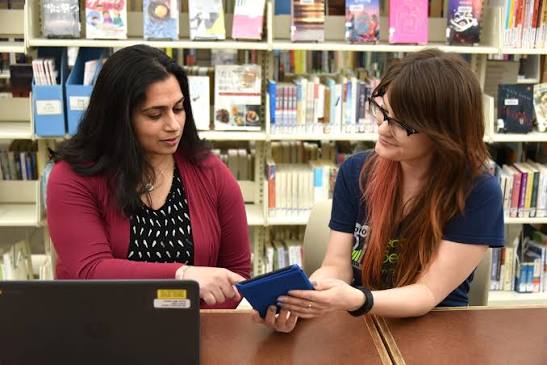
“Challenged but not dying, the public libraries are more relevant than ever” (Stephens, 2019) helped expand my viewpoint that we need to listen to all stories and input from libraries in other communities, as they can in turn inform the library in our own community. We all have experiences we can learn from to improve. This idea connects to the importance of moving beyond assumptions when developing library services. While librarians bring professional knowledge and expertise, the community brings lived experience that cannot be replicated through research alone. By actively listening to patrons, librarians can create programs, collections, and services that are responsive rather than simply based on what they believe the community needs.

Using my own personal story as an example, I was diagnosed with Autism Spectrum Disorder when I was three years old and struggled to read, let alone interact with others. It was my older sister who recommended fiction books such as A Series of Unfortunate Events, Harry Potter, and eventually Twilight and The Hunger Games during middle and high school that ushered me into my love of reading and continued learning. These stories helped me not only grow as a person but also approach life in a much more productive manner. When I started reading manga, people would always say that Naruto was the one to read, but while Naruto was available at the library, I noticed there was also One Piece available at the library, which turned out to be my favorite manga. If the library did not have expanded options and a variety of stories available, I may not have continued reading manga.
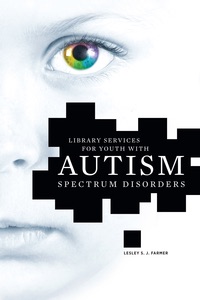
Autism Spectrum Disorder is unique because no two individuals experience it in exactly the same way. Symptoms, strengths, and challenges can vary significantly between individuals, which is why autism is described as a spectrum disorder (National Institute of Child Health and Human Development, 2025). I think this is the perfect analogy for the power of stories: there is no one-size-fits-all story. Every individual brings their own experiences, perspectives, and needs, and it is through listening to these different stories that libraries can truly serve their communities.
References
American Library Association. (2013, May 20). Library services for youth with autism spectrum disorders [Image]. https://www.ala.org/news/2013/05/library-services-youth-autism-spectrum-disorders
caldermedlib. (2026, June 5). We love hearing from our visitors! Patron testimonials of the library! Let us know if you’d like to be featured. #LibraryLove #PatronSpotlight #LibraryStories #CommunityVoices #ReadersOfInstagram #LibrariesMatter [Instagram post]. Instagram. https://www.instagram.com/p/DZNZTeAliZr/
National Institute of Child Health and Human Development. (2025). What are the symptoms of autism? Eunice Kennedy Shriver National Institute of Child Health and Human Development. https://www.nichd.nih.gov/health/topics/autism/conditioninfo/symptoms
Stephens, M. (2019). Challenged but not dying, the public libraries are more relevant than ever.
Stephens, M. (2020). Office hours: Narrative inquiry. Tame the Web. https://tametheweb.com/2020/04/09/office-hours-narrative-inquiry/
University School of Milwaukee. (2026). How can I foster a love of reading in my children? [Image]. University School of Milwaukee. https://www.usm.org/about/blog/post/~board/blog/post/how-can-i-foster-a-love-of-reading-in-my-children
Hello Aniella!
Thanks for sharing your post and your perspective. I like how you brought up that, at the library, the wide selection allowed you to find the manga you really needed to continue your reading journey. By offering so many different types of books, manga, etc. patrons can find what really suits them in that moment. I found that for me personally, I read a wider range of books from various genres that I would not read if I were to buy them online. The vast selection of books available met with the freedom to choose allows me to explore more of my reading interests. This goes back to what you mentioned earlier in the post that librarians are there to serve the communities’ needs yet not assuming what they need. The opportunities of finding information and services ties in with that as patrons can have a place in which they can find what they need in that space.