I think to be a library worker, especially in combination with being a library school student, one must be a sponge constantly soaking up information and inspiration from other libraries. Luckily this should come pretty easy to us because there is an element of genuine passion for this field!
I am thankful to have colleagues invested in my learning, one of whom I look up to as a mentor. In my time as a library worker so far I have attended webinars, joined a networking group called The League of Awesome Librarians, hosted librarians at my campus during our department review, and this past month I got to attend my first library conference!
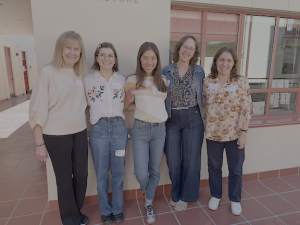
By far my favorite opportunity to learn is when I get to engage with other librarians. I was not surprised that folks in Dr. Stephens’ study said they wanted to meet face to face, although it was noteworthy that it was the opinion even pre-pandemic. It was exciting to show two other librarians around our libraries and our campus during our department review last year. I was proud to share my contributions as an assistant, and it was also cool when they pointed out things they liked about our space and our policies that I hadn’t previously thought of as standouts. It goes to show the value of getting a fresh set of eyes on your space!
The League of Awesome Librarians group is such a valuable resource. I joined as a participant of their new Library Summer Camp group, meant specifically for new library students. We had monthly meetings to discuss whatever we wanted, and last summer (my second year in camp), they hosted a panel of librarians from several different types of libraries because, as library students, we are still learning about all the different types of libraries and librarianship. It was insightful to see they overlaps between an archivist, an academic librarians, a hospital librarian, and a school librarian- such as the amount of furniture they move around their space on a daily basis.
I particularly enjoy engaging with the discussion space of the group, which can include topics like favorite holiday display ideas, hard questions to ask, or asking for advice about collection development for your presidential biographies section for lower school students. The consensus was to offer encyclopedias, and if a student wanted to do further independent research then they could. Last year through the League I attended a webinar called “Library School Didn’t Prepare Me For: Getting People to Talk to Me.” It was led by an academic STEM librarian, and she shared how she gets students and faculty to engage with her through tactics like linking “library services menu” pdfs in her email signature, and working out of an empty office right by the professors once a week because “if users won’t come to us, we’ll go to them” (Where Reference Fits in the Modern Library).
The conference I attended last month was called SoCaLis, which stands for “Southern California Librarians of Independent Schools.” I have come to realize that independent school librarianship brings its own perks and problems, so I was very excited to be able to join my colleagues at this conference. I got to speak on a panel of current and recently graduated MLIS students, and we spoke on things like how our classes were preparing us or not for the workplace, what we had learned about AI and how we were engaging with it, and at the end the moderator asked us what we would do in our libraries if we suddenly got to be the Head Librarian tomorrow.
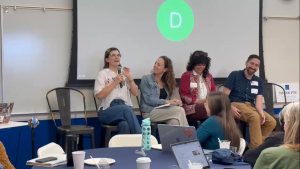
It was an honor to represent my school and my library team on the panel. I spoke about Hyperlinked Libraries and how I was able to create my Innovation and Strategy Roadmap about a library student ambassador program and share it with my colleagues. The conference included a speaker named Ashley Hawkins, aka “The Manga Librarian” and she shared resources and insight on how to add the age-appropriate manga to our collections that our students increasingly crave. I also connected with another lovely library assistant who was considering enrolling in library school soon. We attended a discussion group about Sora (school library ebook and audiobook database) collection development together.
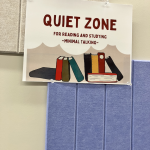
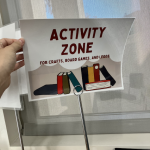
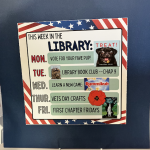
At the end of the conference, which was hosted at Brentwood School in west Los Angeles, we got to take a tour of the middle school library space. I took pictures of some of their signage for their “zones”, which we also implemented this year, and their calendar which detailed what events were happening in the library that week.
Overall I continue to love how collaborative libraries are. No one gatekeeps their tools for success or feels competitive. Especially these days, library workers want to lift each other up and see each other’s libraries thrive. It is ingrained into the profession, and I am looking forward to continuing to develop my skills.