Stories are information and information is told through stories. This is what I kept thinking about during the Power of Stories module. The concept of a Human Library program particularly stood out to me. In a time when people tend to spend less time communicating with neighbors and spend more time on devices, both the simple and difficult conversations can be difficult to start. A Human Library program makes stories more inclusive and accessible by sharing personal experiences in a more dynamic way than books alone. A Human Library program allows readers to ask questions and learn about alternative perspectives.
Creating space at the library where stories are shared in dialogue form in addition to books is what makes the library community focused and mission focused. Sharing viewpoints in conversation in an open environment invites questions and ideas. The shared experience provides connection through openness, vulnerability and honesty. These types of conversations are so important to building community connections and increasing access to stories not told through mainstream media or publishers.
In a Public Libraries Online article, Wentz (2013) writes that the “human library acts as an extension of the mission that drives public libraries” (para. 4). This is precisely how libraries connect the community, by providing interactions where people can share experiences, challenges and build social connections. Stories create dialogue and dialogue can benefit everyone who participates (Stephens, 2025). Stories are the keystone of libraries. They are a tool for connection and transformation. Libraries have the power to share stories of everyone’s experiences and stories of people of color, LGBTQ folks and disabled that are not featured in mainstream media (Stephens, 2019).
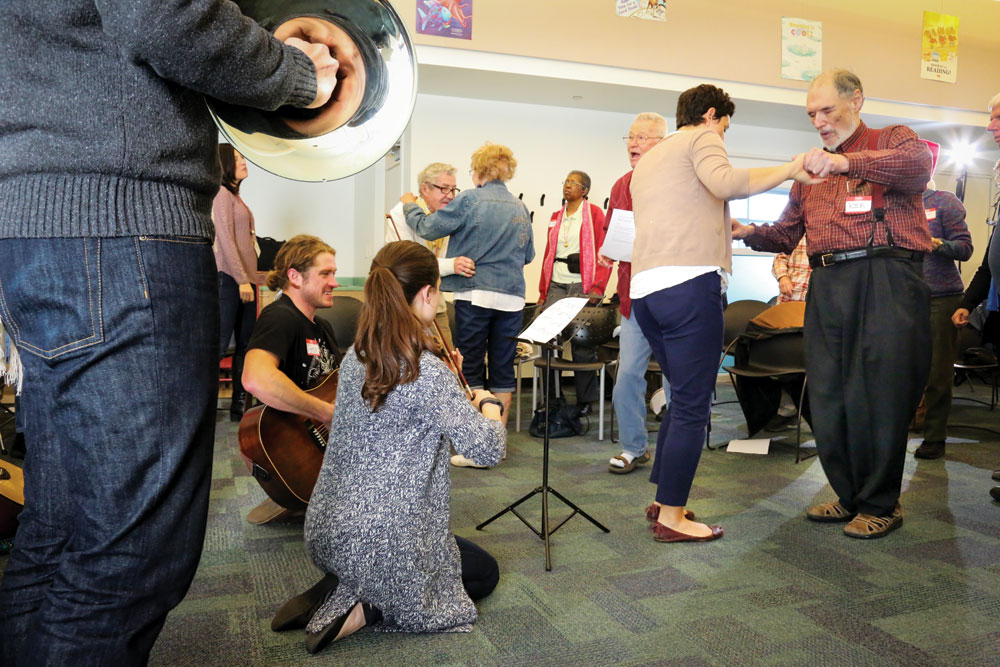
This program would be particularly important for anyone that wants to speak with someone that has a lived experience they want to learn about or are beginning to experience themselves. An example that came to mind is a Human Library conversation about a loved one that has dementia. The conversations shared could spark ideas for other library programs such as Memory Cafes, social gatherings for persons living with dementia and a family member or care partner. These cafe programs are a place to have fun, be social and share experiences. Tales & Travel Adventures is another type of library storytelling program for people with dementia.
While browsing Storycorps, I discovered Story Corps Tribal Libraries. It was an IMLS sponsored program that served Native communities with resources and training to implement interviews and support cultural preservation. Indigenous language, culture and traditions were recorded through interviews and oral storytelling to share language and cultural heritage. This IMLS program reminds me of how important it is for libraries to create, keep and share stories, but also actively seek out the community stories that have not been shared yet.
In a Power of Stories presentation from Yarra librarians, Kylie Carlson and Felicity Macchion, I was reminded that stories can help advocate for library funding and show politicians that libraries are important to the community (Library 2.0, 2020). Shared stories reinforce the library’s value to the community (Wentz, 2013). What if stories not only engage the community socially, but also encourage dialogue about our lived experiences? How can shared stories create a more engaged community? I imagine that the power of stories will always be an important part of libraries as they continue to evolve with their communities.
References
Library 2.0. (2020, March 11). The power of stories: Inspiring inclusive, and creative approaches to community engagement [Video]. Youtube. https://www.youtube.com/watch?v=dvZlTRTVX10&t
Stephens, M. (2019). Wholehearted librarianship: Finding hope, inspiration, and balance. ALA Editions.
Stephens, M. (2025). The hyperlinked library: The power of stories [Panopto presentation]. https://287.hyperlib.sjsu.edu/the-power-of-stories/
Wentz, E. (2013, April 26). The human library: Sharing the community with itself. Public Libraries Online. https://publiclibrariesonline.org/2013/04/human_librar/