“The user is the sun” and “You cannot change the user, but you can transform the user experience to meet the user.” (Schneider, 2006)
“Old or new, the ultimate success of any service is determined by the library user.” (Casey & Savastinuk, 2007)
“How can we delight our users and customers?” (Denning, 2015)
“Librarian 2.0, then, is the “strategy guide” for helping users find information, gather knowledge, and create content.” (Stephens, 2006)
 =
= 
These quotes illustrate to me a standout theme that seems to run through all the modules we’ve explored in The Hyperlinked Library up so far: the importance of the library user. For libraries to succeed and retain a status of value and relevance, librarians need to prioritize user needs and desires above their own and adapt to meet them. This may mean making changes that librarians personally may not want, like, or approve of—or, conversely, not making changes that librarians personally want and think are important.
In thinking about how the academic library that I work in has taken a user centered approach, I identified two examples of ways where I believe we’ve successfully prioritized users and implemented changes accordingly.
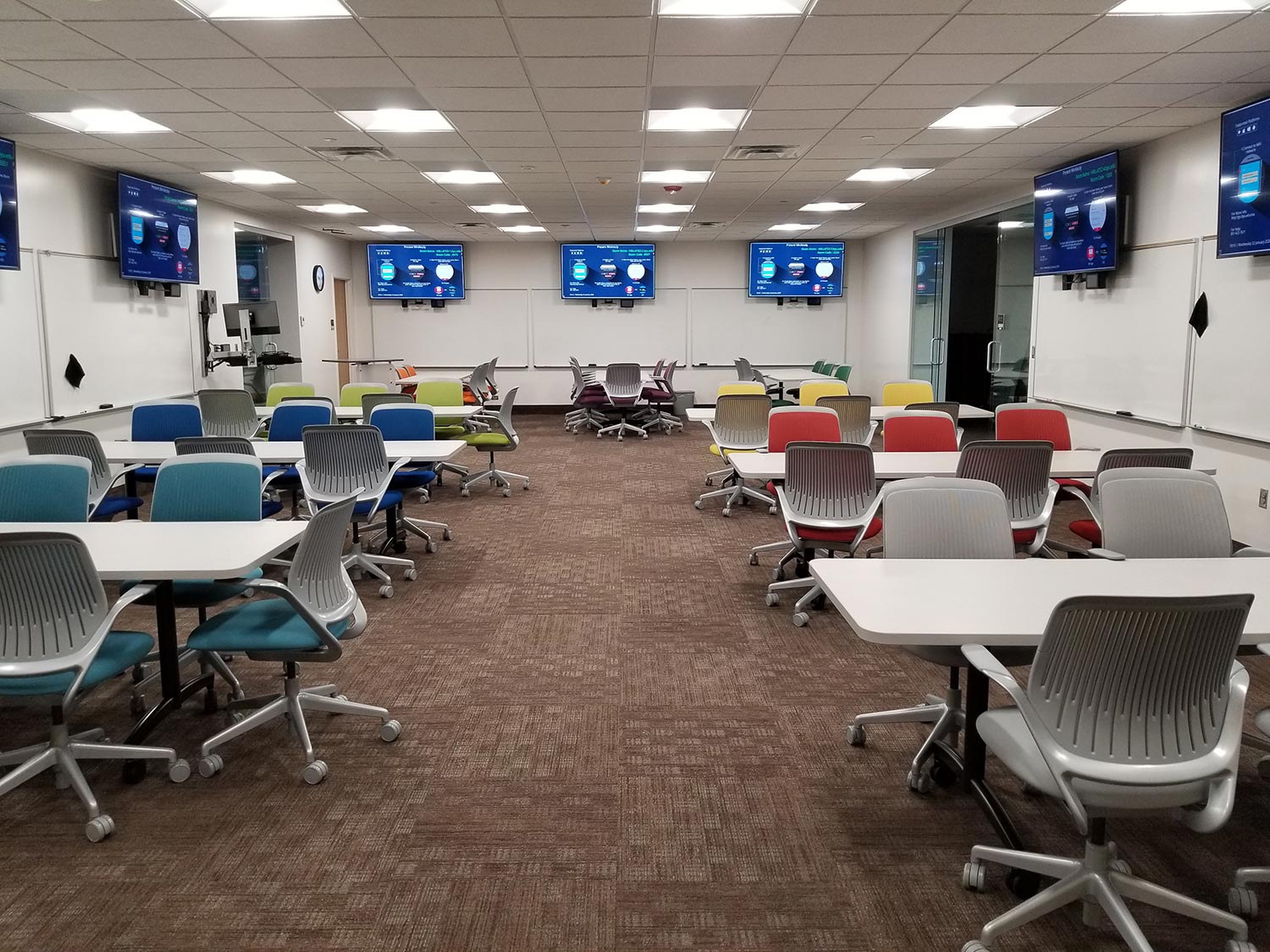
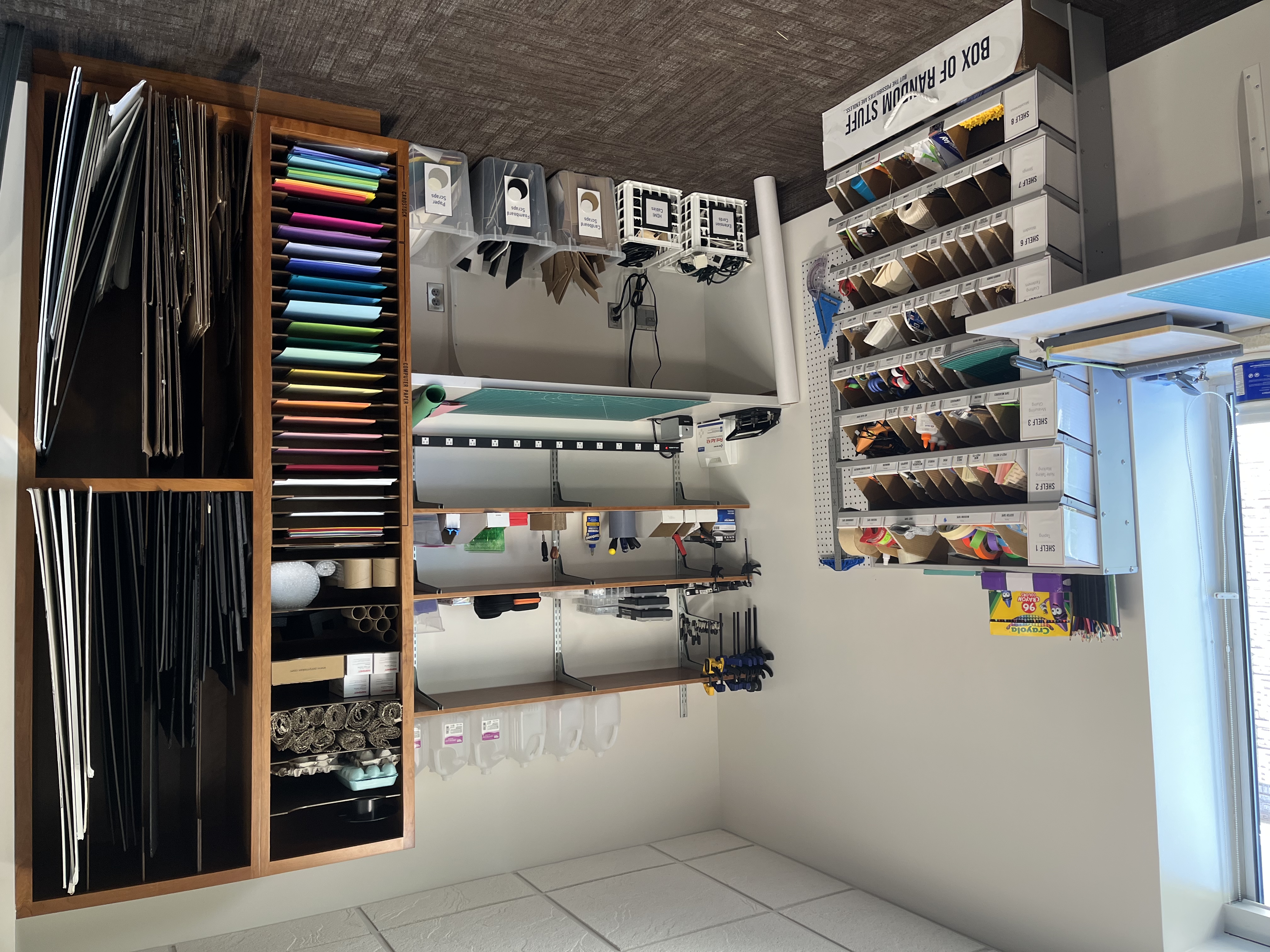
Physical Space
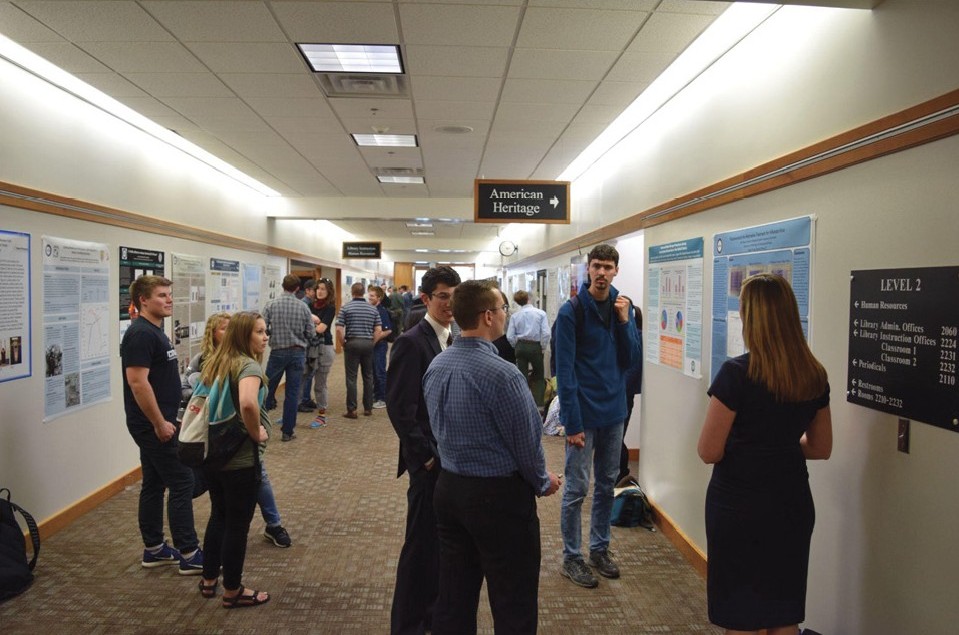
My library is currently undergoing a 10-year internal renovation (of which we’re on about year 7). Several changes have been made to the physical space to meet users’ needs including the relocation of offices on each floor to a central area. This relocation:
-
- Makes it easier for students to find librarians.
- Gives students more study space with natural light.
While I and other colleagues have found it painful to relocate our offices and forgo our windows to the outside world, this change will serve our users better.
Technological Trends
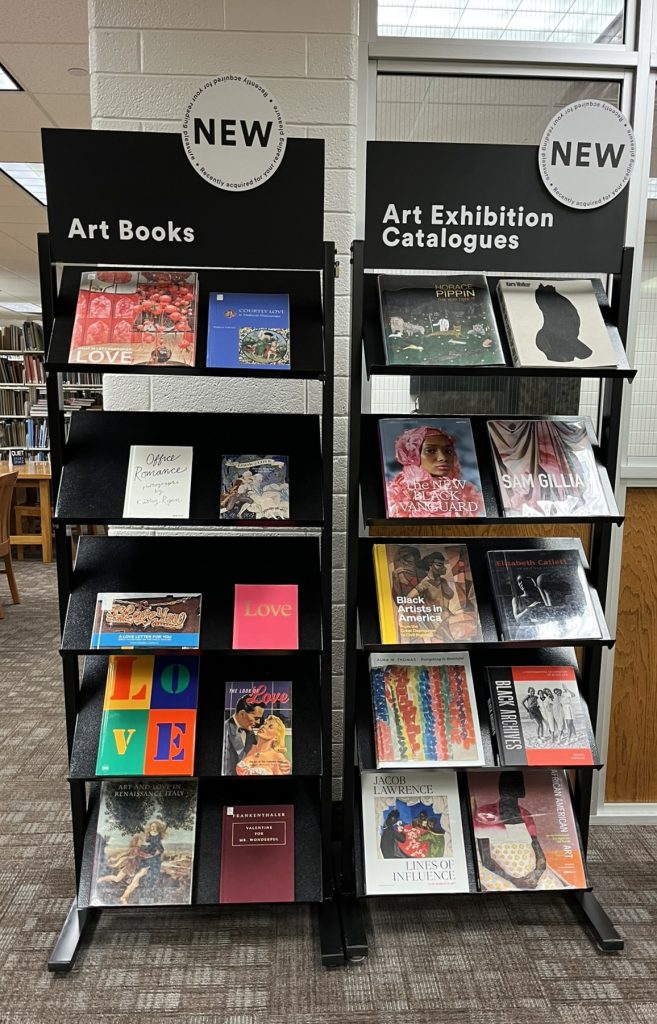
In the past 10 years, the library has kept pace with technological trends. We have become an “e-book preferred” institution, leading to a substantial increase in books purchased in electronic format and digital resources. The following spaces were also added:
-
- Experiential Learning Studio
- Makerspace (recently enlarged and expanded)
- Sound recording studio
- Video production studio
These changes came about because the library solicited feedback from users and examined usage data and took what was learned to implement positive changes, exactly as libraries should do. While this is admirable, upon reflection, these things occurred largely because the library had institutional priorities—using allocated renovation and collection money wisely and keeping up with technology trends—that required user input or aligned with user needs. However, when these types of institutional priorities are not being considered, we have work to do in being user centered. Two examples highlight this.
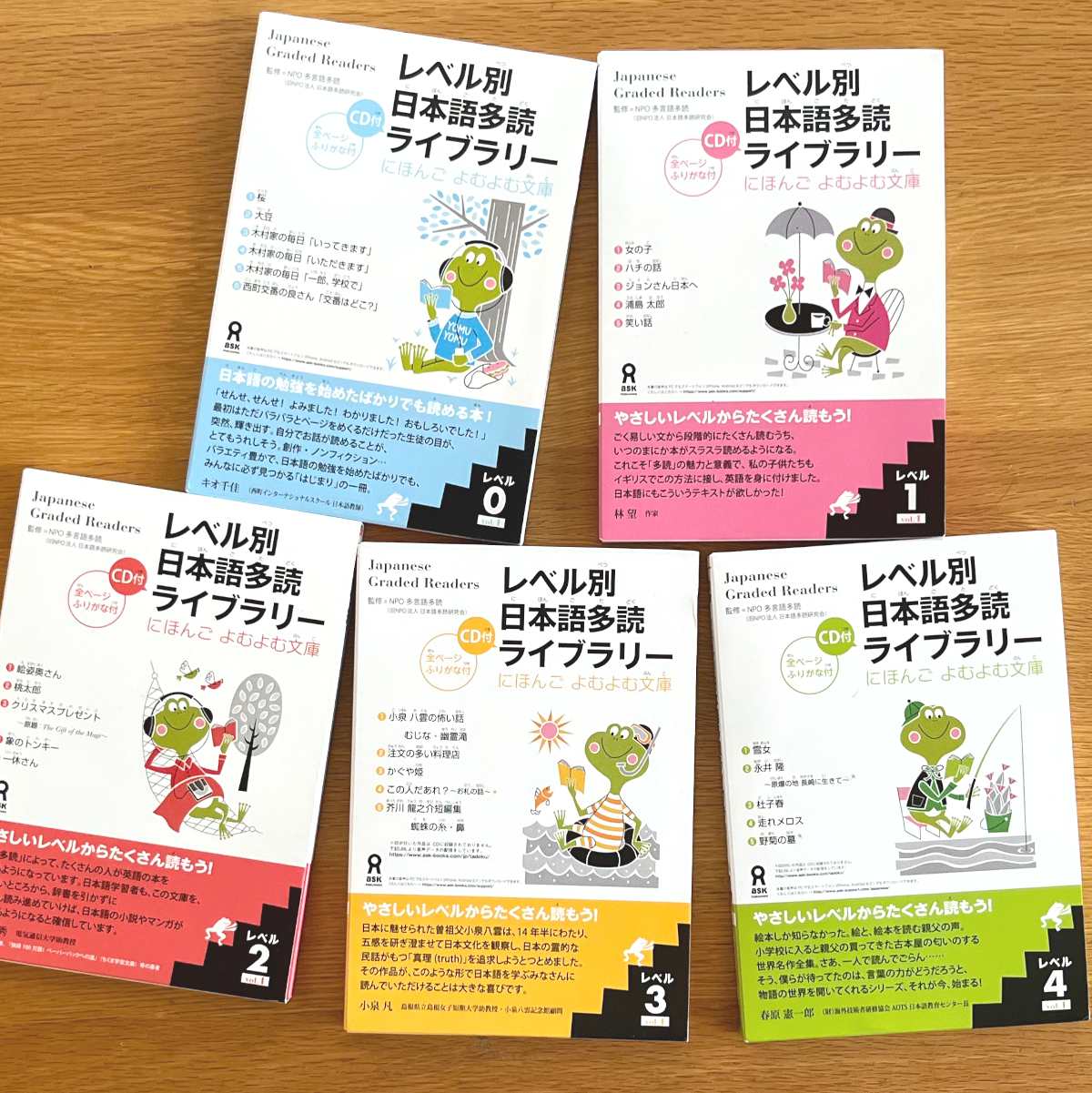
Foreign Language Graded Reader Collections
According to colleagues who have been here much longer than I have, users have been asking for dedicated collections of foreign graded readers for language learning for years. Due to a variety of reasons, including our institution’s preference for e-books and reluctance to create dedicated spaces, these requests were disregarded by upper management. But, after a colleague’s continued, yearslong advocacy, an Asian languages graded reader collection was finally created one year ago. It has been so successful that now others are being created. If the library had prioritized the user’s needs and wants when they were initially identified, regardless of the traditional format and the space concerns, this success could have happened years ago.
Intentional Interaction
The location of the library I work in is the heart of the university campus. As such, we have a real opportunity to draw in and engage with our primary users (students) in intentional and interactive ways. While librarians regularly interact with students in library instruction sessions and reference appointments, outside of these, the library does little to intentionally interact with users. The library rarely hosts activities or events; those that it does are often tailored to a specific subset of users. The library rarely solicits feedback; when it does, it is on specific and predetermined issues that meet current administration concerns. If we genuinely want to understand and connect with users, we need to intentionally engage with students through events and requests/avenues for all types of input. Although this will require extra work, effort, and expense, this intentional interaction will help the library become the true heart of campus.

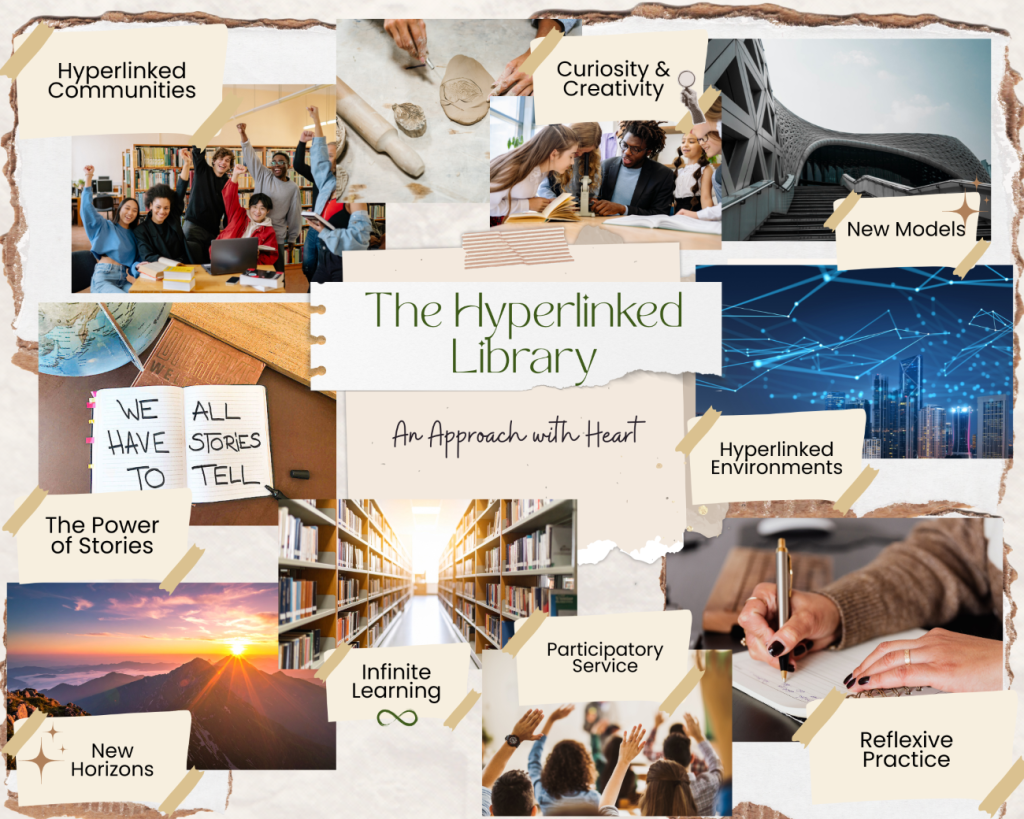
The readings and practical illustrations demonstrate that for a library to become hyperlinked and succeed, users must be the central focus in guiding the state of library collections, services, and strategies.
References
Denning, S. (2015, April 28). Do we need libraries? Forbes. https://www.forbes.com/sites/stevedenning/2015/04/28/do-we-need-libraries/?utm_campaign=ForbesTech&utm_source=TWITTER&utm_medium=social&utm_channel=Technology&linkId=13831539
Casey, M. E., & Savastinuk, L. C. (2007). Library 2.0: A guide to participatory library service. Information Today, Inc.
Schneider, K.G. (2006, June 3). The user is not broken: A meme masquerading as a manifesto. Free Range Librarian. https://freerangelibrarian.com/2006/06/03/the-user-is-not-broken-a-meme-masquerading-as-a-manifesto/
Stephens, M. (2006). Into a new world of librarianship: Sharpen these skills for Librarian 2.0. NextSpace, 2, 8. https://www.oclc.org/content/dam/oclc/publications/newsletters/nextspace/nextspace_002.pdf