The idea of the library as a classroom is one that resonates with me, particularly because I work in an academic library, which means that the primary community I work with is students. While students occasionally engage with the library or librarians in a formal classroom setting—for example, participating in required integrated library instruction sessions for their freshman or advanced writing classes—it is not the primary way they do so. However, this doesn’t and shouldn’t mean that the library cannot be an extension of the learning that they do in their classrooms!
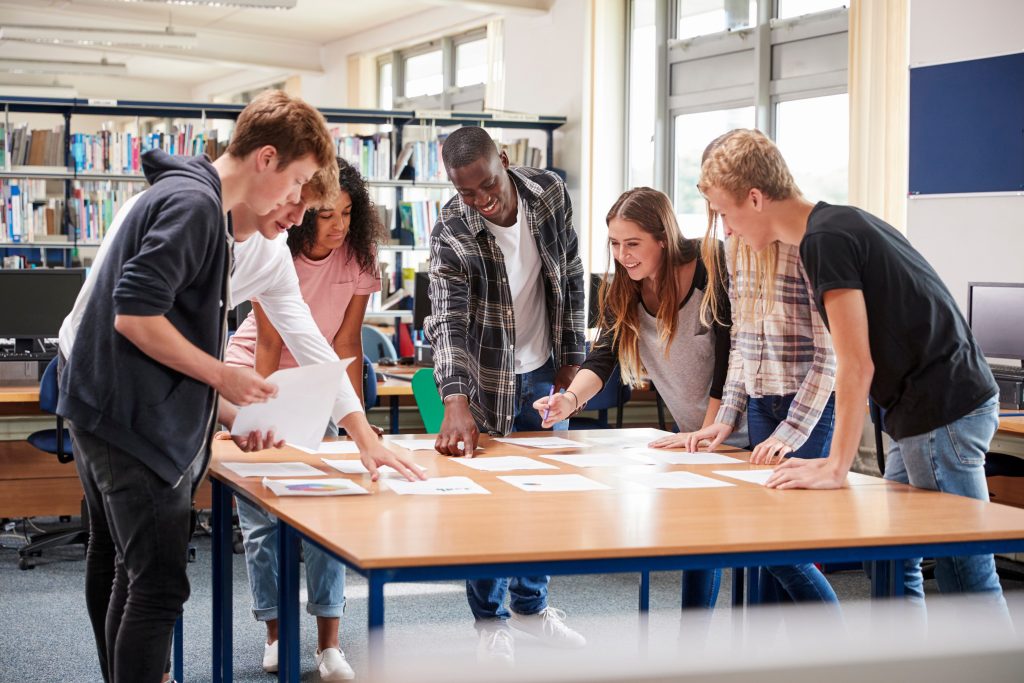
For the academic library to be another learning environment, librarians should consider the “connected learning” approach. This educational framework relies on supported, interest-powered, production-centered activities outside of the traditional classroom to enhance learning (Nygren, 2014). Lippincott (2015) discusses that the greatest opportunity for academic librarians is to connect more deeply to course curriculum by working with students and faculty to develop innovative teaching and learning activities utilizing the library.
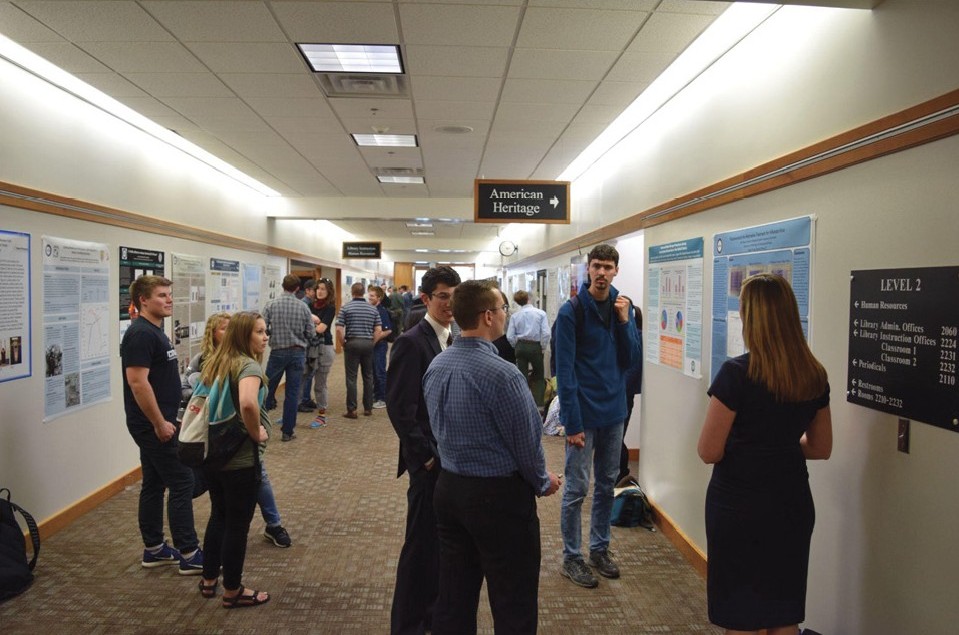
While the library I work in offers educational opportunities like software training classes and family history webinars, they also offer more experiential learning opportunities that match the connected learning approach. One example is the annual Life Sciences Undergraduate Poster Competition that the science librarians have hosted since 2015 in collaboration with the College of Life Sciences. Students can create posters on the research they are involved in and interested in and then present them in the library to judges (library employees who volunteer) and the interested campus community. This competition gives students the opportunity to produce a professional product and practice their communication skills, while also establishing the library as a place of scholarship and experiential learning (Frost et. al., 2023).
Though librarians are often described as “information professionals,” I’d argue that a natural extension of this is “teacher.” As teachers, we have the responsibility to ensure the library is a space where learning occurs not only through reading books, but also through creative and active learning experiences. When we do so, the library will be more connected with the community it serves.
References
Frost, M. E., Goates, M. C., & Nelson, G. M. (2023). The benefits of hosting a poster competition in an academic library. College & Research Libraries, 84(4), 495–512. https://doi.org/10.5860/crl.84.4.495
Lippincott, J. K. (2015, February 26). The future for teaching and learning: Librarians’ deepening involvement in pedagogy and curriculum. American Libraries Magazine. https://americanlibrariesmagazine.org/2015/02/26/the-future-for-teaching-and-learning/
Nygren, Å. (2014). The public library as a community hub for connected learning [Paper presentation]. World Library and Information Congress, International Federation of Library Associations and Institutions. https://repository.ifla.org/items/f0b3348e-74d1-4170-8415-772d89401a8d
Hi Cassandra – Thank you for sharing about your library’s poster competition. This is so great! It helps involve the library in more aspects of the research process, and it also gives students great experience. Good practice for presenting a poster at a professional conference!
I also am interested in exploring the library as classroom. As a teacher librarian, I see so much extension of life long learning happening in the library. As an intern at the library this summer, many of my colleagues were former teachers as well. I think the library can be a positive place for learning where people hopefully do not feel judged, the prior knowledge isn’t assumed, and they are going in from a place of curiosity. In my own experience in education and as a teacher to 15 year-olds, there can be A LOT of judgement in education from peers, teachers, and from oneself. I am excited to continue to explore the library as classroom and support self directed learning!