“The user is the sun” and “You cannot change the user, but you can transform the user experience to meet the user.” (Schneider, 2006)
“Old or new, the ultimate success of any service is determined by the library user.” (Casey & Savastinuk, 2007)
“How can we delight our users and customers?” (Denning, 2015)
“Librarian 2.0, then, is the “strategy guide” for helping users find information, gather knowledge, and create content.” (Stephens, 2006)
 =
= 
These quotes illustrate to me a standout theme that seems to run through all the modules we’ve explored in The Hyperlinked Library up so far: the importance of the library user. For libraries to succeed and retain a status of value and relevance, librarians need to prioritize user needs and desires above their own and adapt to meet them. This may mean making changes that librarians personally may not want, like, or approve of—or, conversely, not making changes that librarians personally want and think are important.
In thinking about how the academic library that I work in has taken a user centered approach, I identified two examples of ways where I believe we’ve successfully prioritized users and implemented changes accordingly.
Physical Space
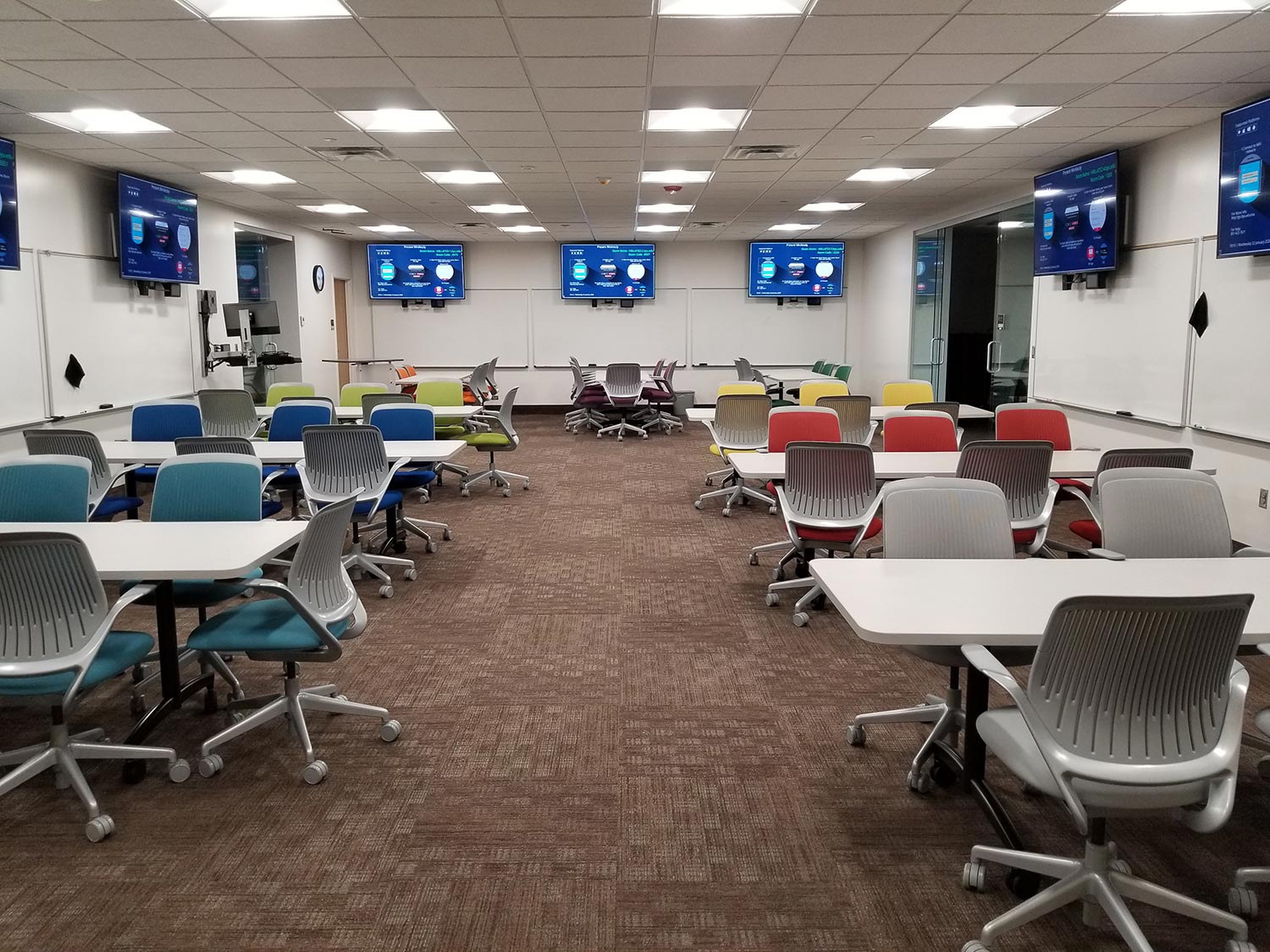
My library is currently undergoing a 10-year internal renovation (of which we’re on about year 7). Several changes have been made to the physical space to meet users’ needs including the relocation of offices on each floor to a central area. This relocation:
-
- Makes it easier for students to find librarians.
- Gives students more study space with natural light.
While I and other colleagues have found it painful to relocate our offices and forgo our windows to the outside world, this change will serve our users better.
Technological Trends
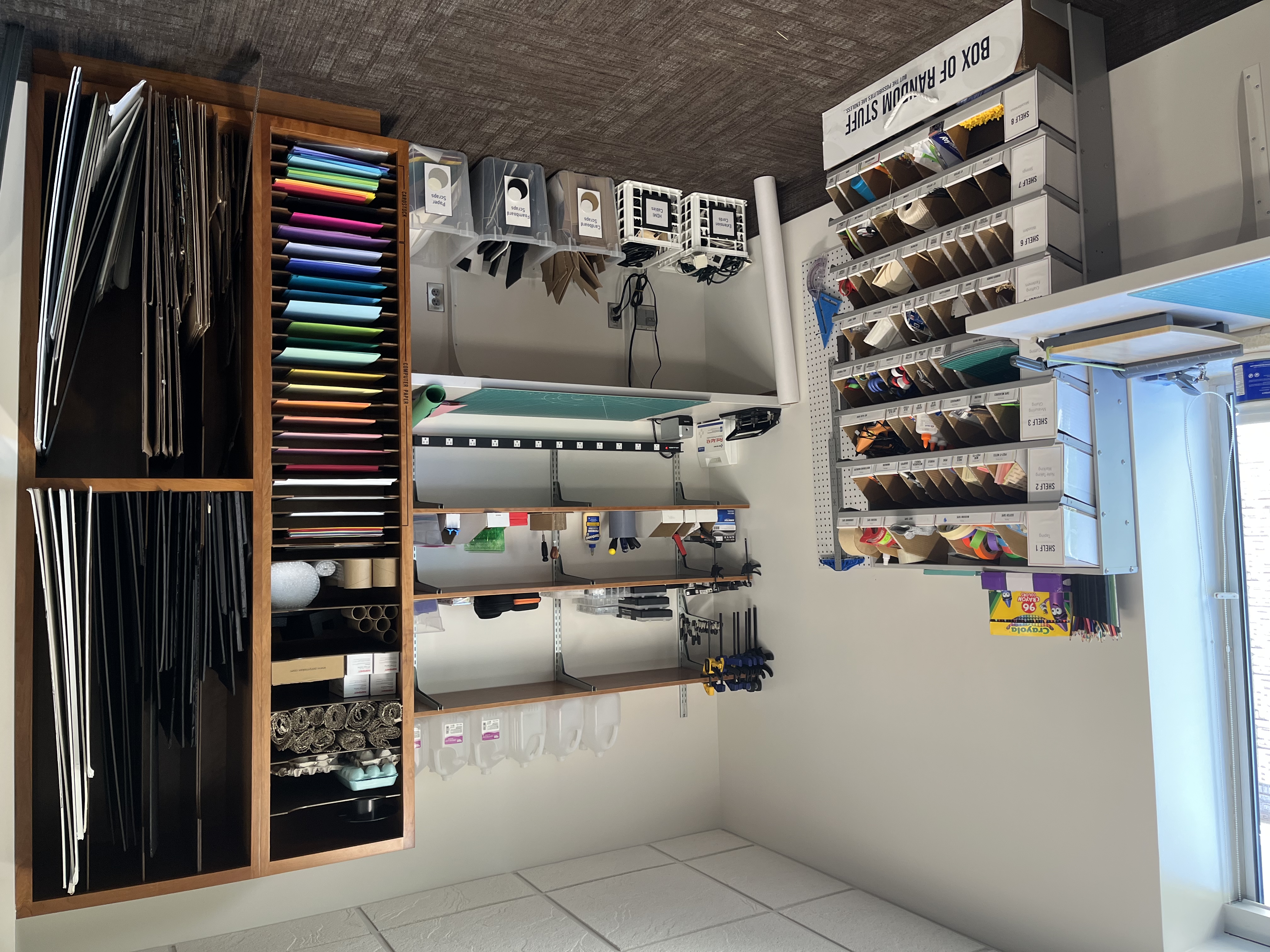
In the past 10 years, the library has kept pace with technological trends. We have become an “e-book preferred” institution, leading to a substantial increase in books purchased in electronic format and digital resources. The following spaces were also added:
-
- Experiential Learning Studio
- Makerspace (recently enlarged and expanded)
- Sound recording studio
- Video production studio
These changes came about because the library solicited feedback from users and examined usage data and took what was learned to implement positive changes, exactly as libraries should do. While this is admirable, upon reflection, these things occurred largely because the library had institutional priorities—using allocated renovation and collection money wisely and keeping up with technology trends—that required user input or aligned with user needs. However, when these types of institutional priorities are not being considered, we have work to do in being user centered. Two examples highlight this.
Foreign Language Graded Reader Collections
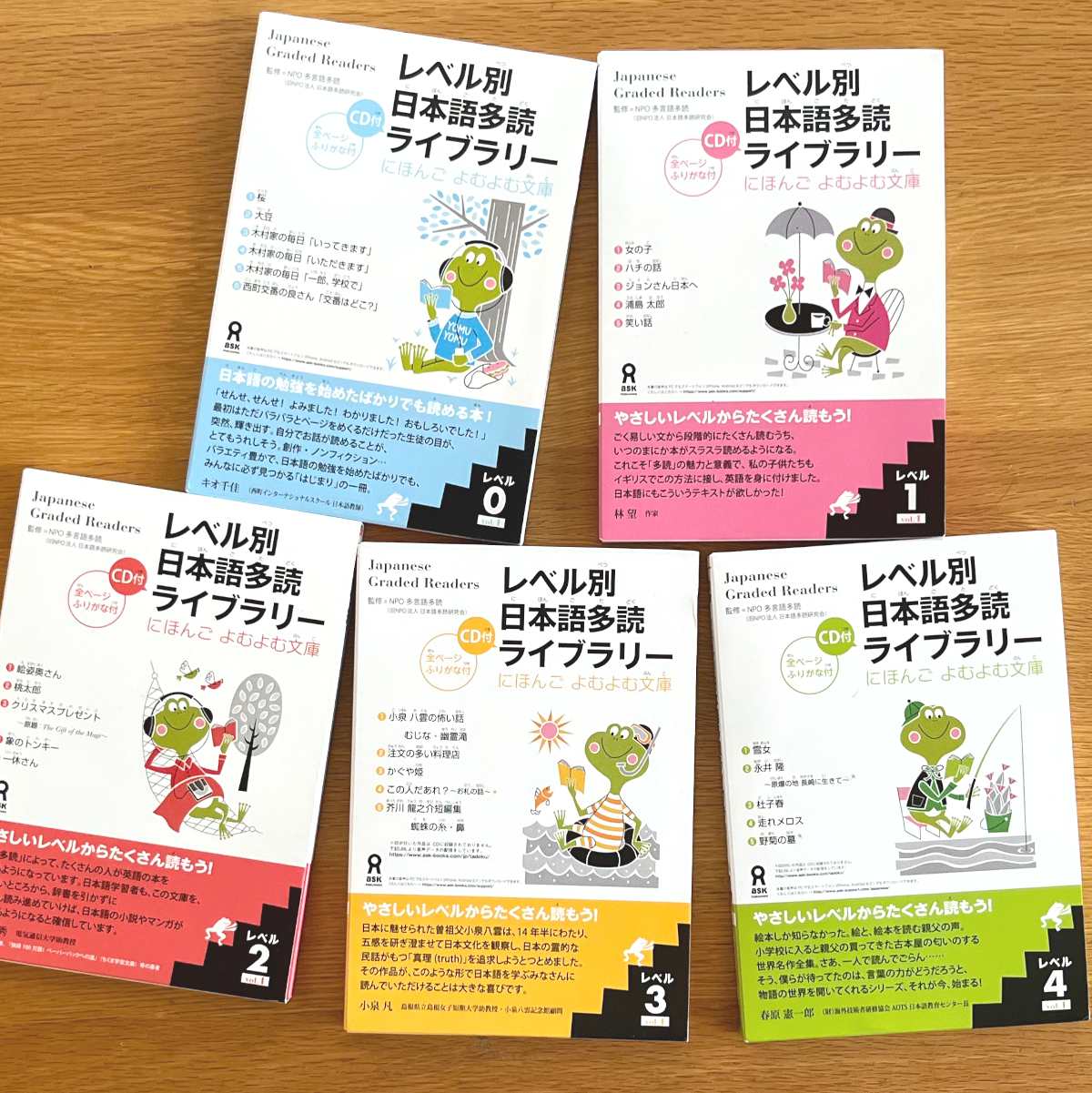
According to colleagues who have been here much longer than I have, users have been asking for dedicated collections of foreign graded readers for language learning for years. Due to a variety of reasons, including our institution’s preference for e-books and reluctance to create dedicated spaces, these requests were disregarded by upper management. But, after a colleague’s continued, yearslong advocacy, an Asian languages graded reader collection was finally created one year ago. It has been so successful that now others are being created. If the library had prioritized the user’s needs and wants when they were initially identified, regardless of the traditional format and the space concerns, this success could have happened years ago.
Intentional Interaction
The location of the library I work in is the heart of the university campus. As such, we have a real opportunity to draw in and engage with our primary users (students) in intentional and interactive ways. While librarians regularly interact with students in library instruction sessions and reference appointments, outside of these, the library does little to intentionally interact with users. The library rarely hosts activities or events; those that it does are often tailored to a specific subset of users. The library rarely solicits feedback; when it does, it is on specific and predetermined issues that meet current administration concerns. If we genuinely want to understand and connect with users, we need to intentionally engage with students through events and requests/avenues for all types of input. Although this will require extra work, effort, and expense, this intentional interaction will help the library become the true heart of campus.

The readings and practical illustrations demonstrate that for a library to become hyperlinked and succeed, users must be the central focus in guiding the state of library collections, services, and strategies.
References
Denning, S. (2015, April 28). Do we need libraries? Forbes. https://www.forbes.com/sites/stevedenning/2015/04/28/do-we-need-libraries/?utm_campaign=ForbesTech&utm_source=TWITTER&utm_medium=social&utm_channel=Technology&linkId=13831539
Casey, M. E., & Savastinuk, L. C. (2007). Library 2.0: A guide to participatory library service. Information Today, Inc.
Schneider, K.G. (2006, June 3). The user is not broken: A meme masquerading as a manifesto. Free Range Librarian. https://freerangelibrarian.com/2006/06/03/the-user-is-not-broken-a-meme-masquerading-as-a-manifesto/
Stephens, M. (2006). Into a new world of librarianship: Sharpen these skills for Librarian 2.0. NextSpace, 2, 8. https://www.oclc.org/content/dam/oclc/publications/newsletters/nextspace/nextspace_002.pdf
Hi Cassandra! Thanks for your post and especially sharing real world examples of the library you work in. I am so thrilled that you are in a place where things are happening and changing to better serve your patrons. I can imagine that even just your physical space changes alone have already made a significant impact.
This line in your post particularly stood out to me: “This may mean making changes that librarians personally may not want, like, or approve of—or, conversely, not making changes that librarians personally want and think are important.” It is so important for us to set aside our own personal likes and dislikes and really listen to what our patrons need! I have observed this in practice recently within my own library where patron needs have been expressed (having certain books available on display), and come to find a decision maker doesn’t want to for their own personal reasons. While this could be seen as a “small issue” to some, it is a relatively easy request for a group in which it matters a great deal. In this case, we are not putting our users first, and how disappointing is that to those who would benefit? Why would those patrons be eager to return if their voices go unheard? I just wanted to share my own recent experience to underscore the importance of hearing our users as you discussed in your post. Thank you!
Hi Liz, thank you for your comment and thank you for sharing your experience! I agree, something might be a “small issue” to us as librarians, but to our users–even just a handful–it might be a big issue. That’s something I think is easy for librarians (or anyone) to forget in day-to-day: everyone’s experiences and values are different. We need to remember that.
I resonated with your post. You hit the nail on the head in regards to the importance of users in the library. The fact that your library is going through a renovation, not to serve you better, but to serve your users better, speaks volumes to listening to the needs of library users to have a better experience and the ability to locate staff more effectively. I also agree that libraries, even academic ones, can do more to interact and have events that cater to a wider set of users and may even entice non-users to come into the physical space. My library allows the public to come and and use, yet very few community members take advantage of that and I am trying to figure out how to reach out to that potential user group to see what can be done. One thing I have is to look at our social media and becoming more intentional about more frequent posts that engage feedback as well as setting up additional social media accounts to meet the users where they are which is outside of Facebook. You totally have the right idea that it’s the users that must be the focus, not the collection that keeps the library relevant and the heart of the community.
Thank you for this comment, Becca! Social media is definitely something that I thought about when writing this post because it’s an area my library could really improve in. We have social media accounts, but our library almost never posts on them because “it doesn’t have a good reach.” But that just means that we need to be developing a social media strategy that WILL have a good reach!