The most common work settings for art information professionals are colleges and universities, and art & design schools, and museums (Brinkman et al., 2017, 13), offering art resources and services for a select audience and typically limiting programs to lectures. The explicit aim of these spaces is academic research, supporting the passive information needs of artists and art scholars (e.g., printed materials, art objects, audiovisual items, online databases etc.). Common challenges in these spaces include a lack of support, both financial and in staffing (Evenhaugen et al., 2016, 6-7); lack of space due to repurposing (Pad et al., 2019); and constantly increasing responsibilities (Kays, 2017, p. 25; Pad et al., 2019, p. 7-8). Considering the limited resources and staffing of these art libraries, and the institutions they are housed in, art information professionals must often prioritize the existing collections, exhibitions, and consultations with staff, researchers, and other patrons. Hands-on, experimental arts programming, participatory services, building an arts community is difficult when these libraries may only be staffed by one librarian. Fortunately, other parts of the institution typically make up for this with their own events, classes, and student-run organizations.
However, where do artists and curious audiences go when they cannot afford these institutions? How are communities supported in the act of artmaking, experimenting, reflecting, and exchange? In what ways are communities’ art information needs met at the international level?
Public Art Information Around the Globe
Compared to art libraries in academic and museum settings, there are few instances of specialized public libraries. These spaces are uniquely positioned at the intersection of special and public, offering all visitors free resources and services within a particular subject. The arts adds another dimension since the information needs of artists are different from art historians and researchers, meaning that research can go beyond print materials and art objects, extending to the physical use of various mediums and tools. The Brooklyn Public Library’s Library for Arts & Culture is a close example, providing the public with a special book collection, and programs such as readings, performances, and conversations with artists and writers (Brooklyn Public Library, n.d.). They also offer online resource guides on artist housing and professional development. Beyond this, it can be difficult to scour other public art libraries present in the United States (but if you know any others, do let me know!).
Let’s look at broader community-oriented information centers that support literature about visual art and artistic research around the world. Many discussed here only support specific areas of research, such as a physical collection and/or passive programming, whereas others have physical research in mind with room for artists to explore their own creative practice.
Aeromoto Library – Mexico City, Mexico
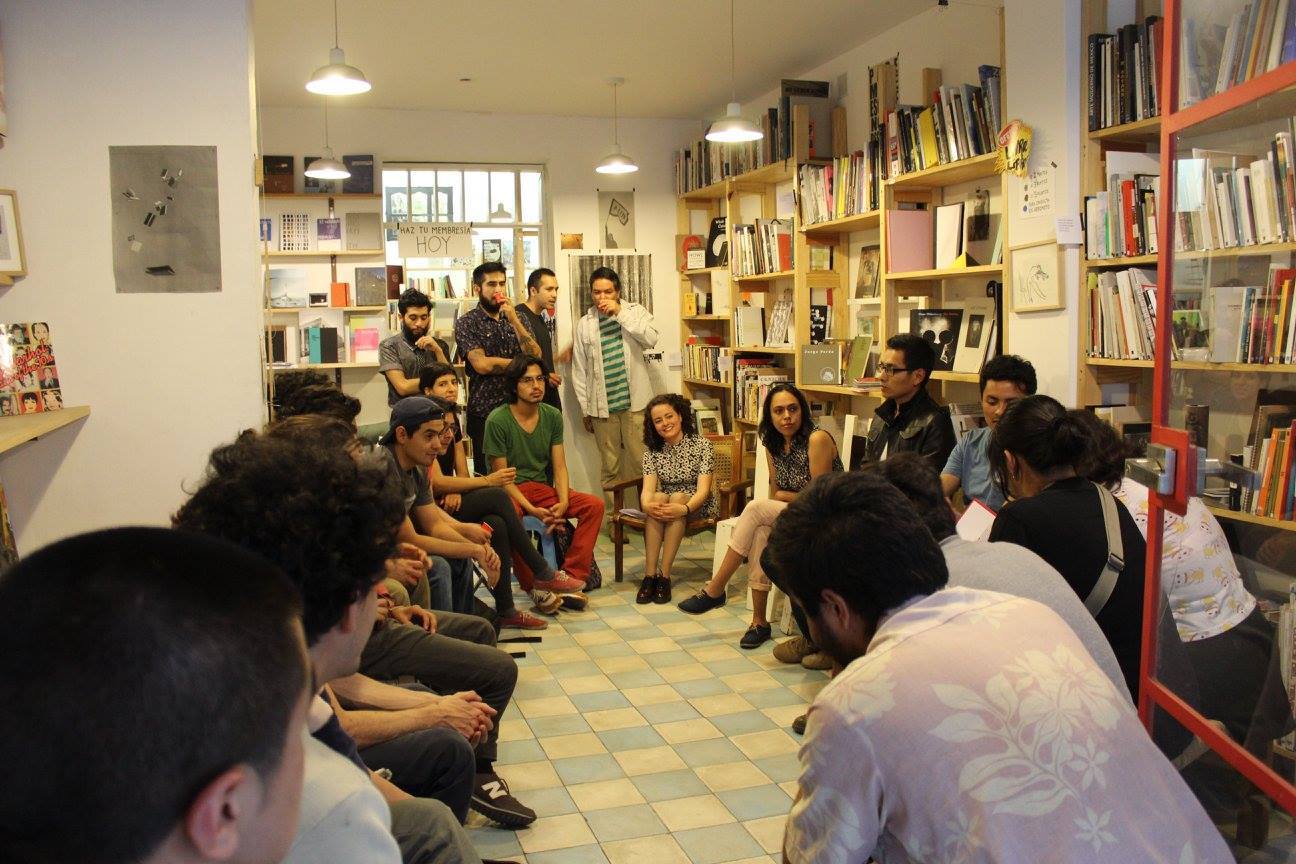
Aeromoto, founded in 2015, is a free community library created by four creative practitioners and specializes in art and independent publishing (Hinojosa, 2016). The group utilizes an anticapitalist framework, challenging the norms of privatization in a joint effort for circulation of knowledge through literature and artist-led programming (Aeromoto, n.d.). This began with no funding in Marcin and Calva’s home using their personal collection, but soon expanded to rotating collections from peers; community involvement in curatorial decisions; and financial support from donations and grants (Hinojosa, 2016). This space is centered around participatory service and direct engagement with community ideas, open to transformation in the process.
Pivô – São Paulo, Brazil & Bahia, Brazil
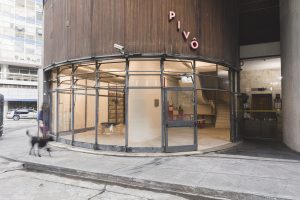
Pivô (n.d.a) is a contemporary art platform with a focus on the artistic research process and art exchange. The organization directly collaborates with artists, curators, and the public through “commissioned projects, exhibitions, artist residencies, publications, and public programs” (Pivô, n.d.a). The exhibition space, library, and programs are free to attend, encouraging research and artistic production. They also have an experimental digital platform that encompasses a series of projects that explore the digital space and moving image, expanding their networks abroad to the international scene (Pivô, n.d.b).
A4 Arts Foundation – Cape Town, South Africa
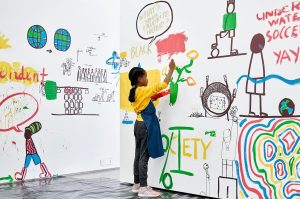
Established as an NPC in 2015, A4 (n.d.) is a self-sustained arts foundation and considered a “laboratory for the arts,” a resource for art practitioners to engage in artistic and curatorial research. The physical studio opened in 2017, with a “public library, modular rooms for sharing and showing art, a residency programme, a book store, and offices for [the] team of arts workers” (A4, n.d.). Although they are independent from government or state infrastructure, the library, exhibitions, and programs are free and open to the public. These programs invite experienced and curious audiences to explore art through experimentation and taking risks.
Lightbox Photography Library – Taipei City, Taiwan
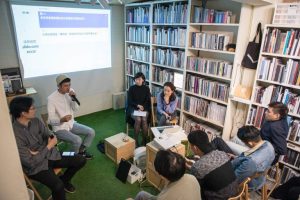
Lightbox (n.d.) is a non-profit photography library dedicated to “preserving, researching, and promoting Taiwanese photography,” offering free, public access to a photography book collection, exhibitions, and programs. Beyond their public services—social gatherings, special lectures, workshops, and educational visits—Lightbox (n.d.) invites cross-cultural dialogue with international collaborative projects and events.
Uijeongbu Art Library – Uijeonbu, South Korea
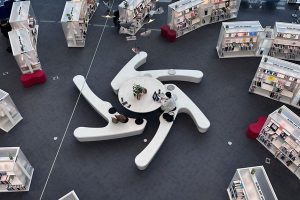
The Uijeongbu Art Library (n.d.) is a hub for visual arts and culture and part of the Uijeongbu public library system—many branches of which are special libraries! Opened in December 2019, the building is three floors; the first floor is an exhibition space, the second includes the reading rooms and libraries, and the third has open studio spaces and a multipurpose hall for artists and programs (Visit Korea, n.d.). Among their programs, they offer library tours, hands-on workshops, and reading events (Uijeongbu Art Library, n.d.).
References
A4 (n.d.). About. https://www.a4arts.org/about
Aeromoto (n.d.). [Homepage]. https://www.aeromoto.org.mx/home/
Brinkman, S., Evans, J., Kwan B. & Pregill, L. (2017, February 21). Census of art information professionals: Preliminary report of findings. Art Libraries Society of North America. https://www.arlisna.org/news/census-of-art-information-professionals-preliminary-report-of-findings
Brooklyn Public Library (n.d.). Library for Arts & Culture. https://www.bklynlibrary.org/locations/library-for-arts-and-culture
Evenhaugen, A., Harkness, S. B., Hufalen, A., Lovenjak, N., Wassermann, M. & Lawson, R. (2016). State of art museum libraries. Art Libraries Society of North America. https://www.arlisna.org/news/state-of-art-museum-libraries-2016-white-paper
Hinojosa, L. (2016, June 9). In Mexico City, an indie library builds a community around art books. Hyperallergic. https://hyperallergic.com/in-mexico-city-an-indie-library-builds-a-community-around-art-books/
Kays (2017). Expanding roles for fine arts liaison librarians: Re-visioning the liaison model. From Glassman, P. & Dyki, J. (Eds.) The Handbook of Art and Design Librarianship, pp. 25-31. Facet Publishing.
Lightbox Photography Library (n.d.). Library. https://www.lightboxlib.org/library
Pad, B., Moran, G., Back, A., Mathews, E., Cannon, C., Wassermann, M. & Lawson, R. (2019). State of Academic Art Libraries 2019 ARLIS/NA Academic Library Division Report. Art Libraries Society of North America.
Pivô (n.d.a). About Pivô. https://pivo.org.br/en/sobre/#pivo-sp
Pivô (n.d.b). Pivô Satellite. https://pivo.org.br/programas/pivo-satelite/
Uijeongbu Art Library (n.d.). [Homepage]. https://www.uilib.go.kr/art/index.do
Visit Korea (n.d.). Destinations: Uijeongbu Art Library (의정부미술도서관). https://english.visitkorea.or.kr/svc/whereToGo/locIntrdn/rgnContentsView.do?vcontsId=183625
2 responses to “Hyperlinked Environments: Art Information Around the Globe”
Hi Damien,
WOW! What an informative and beautiful post. I thoroughly enjoyed reading your thoughts you shared. I am an artist myself and have been a firm believer in supporting artists in whatever means possible. Even if one does not do it professionally (I do it for fun!), I believe having artistic outlets for people is amazing and immensely important. There is something truly so special about creating, especially art! I loved seeing all the stunning and meaningful examples you gave. Libraries shall continue to show up for their communities, but it is very refreshing to see how they have evolved to support more participatory culture and simultaneously creativity from users as well. I am looking forward to see how this trend shall continue to prosper and the creativity that ensues from libraries supporting artists in meaningful ways. Thanks for sharing and I hope you have a wonderful rest of your weekend!
Hi Sophie! Yes, it is amazing to see how different organizations and libraries share art information with their audiences around the world. I had to broaden my search by going beyond institutions, instead looking at artist-serving organizations or community libraries with grassroots origins. I am definitely keeping an eye on public art libraries and how libraries support artists in general. Everyone deserves access to artmaking whether it be as leisure or a profession!