As a gamer, the article “Video games and literacy” from the New Models module caught my eye right away. Like many people, when I hear the word “literacy” I immediately think of books and words written on a whiteboard, but literacy is much more than that. As defined by the United Kingdom’s National Literacy Trust, literacy is “the ability to read, write, speak and listen in a way that lets us communicate effectively and make sense of the world”. In other words, literacy is more than reading and writing; it’s about understanding. Knowing this, the connection between video games and literacy becomes more clear. Video games can help us make sense of the world not only through text but through storytelling and social interaction (National Literacy Trust, 2020). I am glad to hear from the National Literacy Trust (2020) that video games have a positive impact on the literacy, creative, social and mental skills of children.
When reading the findings on social and emotional development, I thought back to my own childhood. Like the children in the study, video games helped foster important social connections between myself and friends and family (National Literacy Trust, 2020). Playing video games like Spyro and Uncharted with my dad and sister was one major way I spent time with them. I also deeply bonded with friends over Pokémon and Super Smash Bros. I have core memories of sitting in a circle with my friends all playing on our Nintendo DS’s.
I’ve long advocated that video games should be considered a storytelling medium the same way books, movies and TV shows are. They’ve come a long way from their origin of two rectangles bouncing a ball between them (Pong, if that wasn’t clear). Modern video games are a uniquely immersive storytelling experience because the player has a direct impact on what happens. I believe that they are one of the best mediums to foster empathy in people. This is supported by the National Literacy Trust’s (2020) finding that 2 in 3 young people say video games help them imagine being someone else.
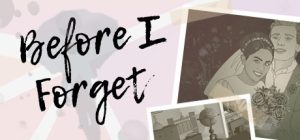
As part of a video game writing class, I was assigned to play a short game called Before I Forget. The player character has dementia and explores their house trying to piece their life together. Most areas are black and white and will fill in with color as the player recalls memories. I highly recommend it even though it is a difficult emotional experience. The interactivity of video games pulls players into the story so they often feel personal investment they may not get from other media forms.
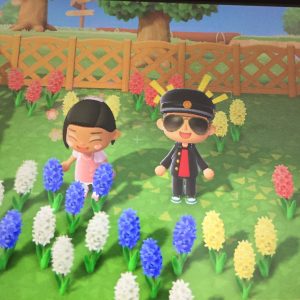
Finally, I related to the finding that supported young people’s well-being, especially during the COVID-19 lockdown (National Literacy Trust, 2020). Video games have been an escape for me throughout my life, but they were especially helpful during lockdown. I played Animal Crossing: New Horizons with my sister every single day for the first few months. My mom enjoyed watching and hearing about our adventures. I also virtually traveled to faraway friends’ islands through Animal Crossing. I would certainly say Animal Crossing helped my mental health during lockdown.
Connecting back to the library, I think librarians can use these findings from the National Literacy Trust (2020) to leverage the power of video games to encourage literacy and more in the library. Librarians could create a Minecraft server for children to play on together. They could host an in-person Super Smash Bros. tournament. Another program could be similar to a book club where there is a narrative video game of the month to play separately then come together to discuss. The possibilities are endless.
References
National Literacy Trust. What is literacy? https://literacytrust.org.uk/information/what-is-literacy/
National Literacy Trust. (2020). Video game playing and literacy: a survey of young people aged 11 to 16. https://literacytrust.org.uk/research-services/research-reports/video-game-playing-and-literacy-survey-young-people-aged-11-16/
@isthebel. I heart this: “I’ve long advocated that video games should be considered a storytelling medium the same way books, movies and TV shows are.” Totally agree..my example: Last of Us.
The before I forget game sounds super interesting and I will follow up on that. Thank you for this post and your thoughts on the importance of video games.