New Horizons and Not Just In Animal Crossing!
For Assignment X, I shared about my hesitation about the Minecraft Monday program I was introducing at my library due to the “dreaded screen-time”. Driving the creation of this program was my own experience growing up in which I did not have access to a console which meant that I was also not playing the games everyone else was. Through Minecraft Monday, I wanted to provide kids with the opportunity to play with a console they might not own in addition to a popular game that their friends might be talking about all the time.
With the large amount of Minecraft novels that now exist for kids, I realized that I could highlight the impact that the program would have on literacy. If a child’s first exposure to Minecraft was through the novels, they could now incorporate what they read into their playing experience and continue to seek out books on how to elevate the world; specifically, I think about the various books on redstone (an experience similar to wiring or electrical engineering) and other building guides.
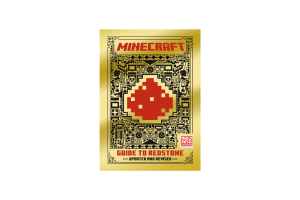
The program runs for one hour with kids, depending on the amount registered, being able to cycle between 30 minute play periods. If there are no additional registrations after the 30 minutes, kids already on the Switches can continue for the full hour. The hour (or half hour hits) that sweet spot in which it is a usual restriction parents already place on their children already and one in which kids will still have the desire to continue playing which can then be translated into reading books such as the redstone or building guides for future play! This reflects my experience where if I couldn’t play it, I could at least read all about it and be very knowledgeable about it the next time I played.
As National Literacy Trust (n.d.) notes, video games can give young people a route into reading and writing, immerse them in stories, support communication with family and friends, support wellbeing, and engage reluctant readers. While I did not have access to many video games growing up, I was able to immerse myself in their world by reading books and guides about them. Again, the purpose of this program was to provide kids with an opportunity that wasn’t accessible to me when growing up. Even with this access to the console, I try to encourage the use of our Minecraft books after the program is over. During the program, I also like to offer the Heroes of the Village board game and while not a video game, still gets the kiddos to engage in critical thinking and reading. I was also gifted a book on building that I like to keep in-house and use to showcase the utility that referencing books can provide. My thoughts on this? If they see an adult doing it, they’ll think it’s cool! Especially when they get to live in it as part of our “community base” on our shared world.
As a part of our last meeting, we brainstormed a few future projects to engage in during our next meetings including a tree house and soccer field. These are particularly exciting as they create the opportunity for group lore-building in our world allowing the expression of creativity and writing through game’s writable item, the book and quill, encouraging writing, reading, and immersion (National Literacy Trust, n.d.). To make this the best experience, I’ll be encouraging players to check out available copies of Minecraft graphic novels/novels and picking out their favorite part to incorporate into our world or translating a desired element from the real world or other favorite series into the Minecraft world!
References
National Literacy Trust. (n.d.) Video games and literacy. https://literacytrust.org.uk/information/what-is-literacy/video-games-and-literacy/