
When it comes to infinite learning, libraries can serve as a hub for continuous learning, knowledge, creativity and connections. In this week’s module, we talk about infinite learning and the three sub-modules: learning everywhere, the library as classroom, and professional learning experiences. As the world changes, and the ways of getting information changes as well, the idea of learning is happening in more places and in many different ways than ever before. Learning is more than just what we do in classrooms. Libraries should take this opportunity, of outside the classroom learning, and provide services and resources through platforms such as mobiles, in-house programming, and professional development.
In the article 8 Awesome Ways Libraries Are Making Learning Fun, Jordan Lloyd Bookey talks about how libraries have offered more and more literacy spaces. He mentions how libraries are still thought about as antiquated places that are not moving with the modern times by more people than we would like. He proceeds to talk about the different resources that libraries are providing to the public to welcome them to the library space and make them more welcoming spaces. These services include technology classes, literacy rooms, playtimes, art studios, nature walks, lunch at the library, and important issue talks. As times are changing, so too are the resources and spaces that the library provides.
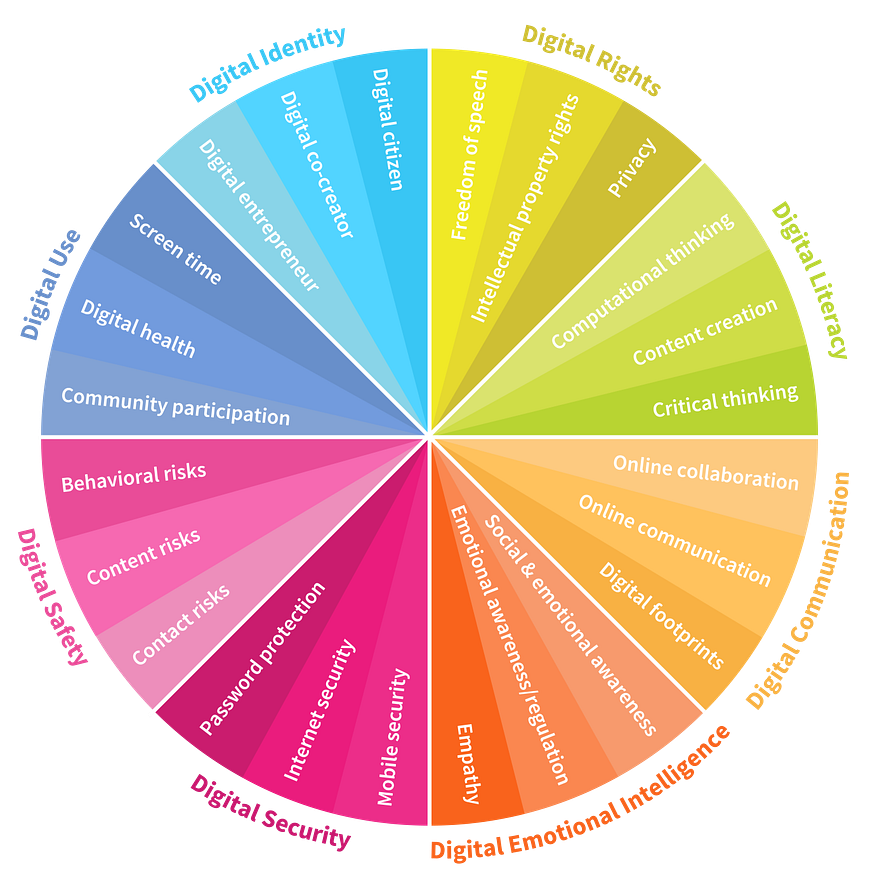
In another article titled 8 digital skills we must teach our children; the World Economic Forum talks about the different digital skills that children should learn and know about to be successful in today’s world. “Experts are predicting that 90% of the entire population will be connected to the internet within 10 years” (World Economic Forum 2016). With this metric, we can always be prepared and make sure that children, and even some adults, are understanding of the technological ways that our world is evolving. As technology has become more widely available, children are using digital technology and media at younger and younger ages. According to this article, children spend an average of seven hours a day in front of screens. There are always pros and cons for technology use in children, but it is our job as librarians to educate children to lean more into the pros than the cons. Having an understanding of the use of technology, especially at an early age, can have many beneficial effects. Children can use their technology knowledge to become better at researching, using school programs, and even increase their literacy skills through the use of technology. The main takeaway for this article is that digital intelligence is of the utmost importance when it comes to the growing need and usefulness of technology. As the article mentions, “Above all, the acquisition of these abilities should be rooted in desirable human values such as respect, empathy, and prudence” (Park 2016).
References
Bookey, J. L. (2017). 8 Awesome Ways Libraries Are Making Learning Fun. HuffPost. https://www.huffpost.com/entry/8-awesome-ways-libraries_b_7157462.
Park, Y. (2016). 8 Digital Skills We Must Teach Our Children. Medium. https://medium.com/world-economic-forum/8-digital-skills-we-must-teach-our-children-f37853d7221e#.789qtaw64.
Park, Y. (2016). Digital Intelligence [Photograph]. Medium. https://medium.com/world-economic-forum/8-digital-skills-we-must-teach-our-children-f37853d7221e#.789qtaw64.
I have been thinking a lot about technology use and it’s impact on kids as the school year is set to begin soon. I work in a middle school library and my fiance is a 2nd grade teacher so this time of year is a big one for us as we gear up to get back to school and back to educating the youth! I know in our school district they are paying much closer attention to the amount of time kids are spending in front of screens in the hopes of limiting it to only the “necessary” time. While we in the library agree with this move, we also understand that the problem with kids on screens is not just about the time spent, but also what they are doing and how they are using it. In my library we focus a lot of media literacy and digital citizenship in the hopes that the times that kids are using technology, whether it be for school or not, that they understand how that tech works and are being safe, responsible, and respectful in their use. Empathy and kindness are also skills that can be instilled through digital and information literacy, and it’s not just kids that need to learn this these days it seems!