
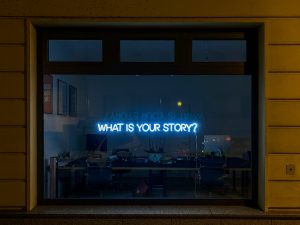
Photo by Etienne Girardet on Unsplash
Stories are the heartbeat of human connection, and libraries have long been their keepers. Yet, as the Power of Stories module reminds us, our role as librarians is evolving; we are no longer just custodians of narratives but facilitators and co-creators of them. This shift toward participatory storytelling transforms the library into a living, breathing space where every voice matters and every experience contributes to the collective understanding of our community.
The Human Library initiative exemplifies this transformation beautifully. Instead of borrowing books, patrons “borrow” people, each with a story that challenges stereotypes and fosters empathy. Reading a “human book” is not passive; it’s a dialogue that invites vulnerability and understanding. The Human Library’s Impact Study highlights how these encounters reduce prejudice and strengthen social cohesion by allowing participants to engage directly with lived experiences that differ from their own. In this way, storytelling becomes a form of social action, one that bridges divides and cultivates compassion.
In a public library setting, I imagine the Human Library as a cornerstone of community engagement. It could bring together veterans, immigrants, artists, and activists to share their journeys, creating a mosaic of perspectives that reflect the richness of our local culture. Such programs would both humanize abstract social issues and empower participants to see themselves as contributors to the library’s evolving narrative. By embracing storytelling as a participatory practice, libraries can invite patrons to become storytellers, not just story consumers which would then transform the library into a dynamic space where shared experiences foster empathy, understanding, and a sense of belonging.

Photo by Maegan Martin on Unsplash
As a future public librarian, I see storytelling as a tool for inclusion and transformation. By designing both physical and digital spaces that welcome diverse voices, libraries can ensure that everyone feels seen and heard. We can use stories to weave empathy into the fabric of our communities through oral history projects, digital storytelling workshops, or Human Library events. Ultimately, the power of stories lies in their ability to remind us that we are all connected, every narrative no matter how different contributes to the shared story of humanity.
References
Human Library Organization. (n.d.). The Human Library book FAQ. https://humanlibrary.org/meet-our-human-books/the-human-library-book-faq/
Human Library Organization. (2021, April 8). New study on the impact of the Human Library. https://humanlibrary.org/new-study-on-the-impact-of-the-human-library/


