
Module 10 Reflection: The Power of Stories-History Preserver & Knowledge Provider
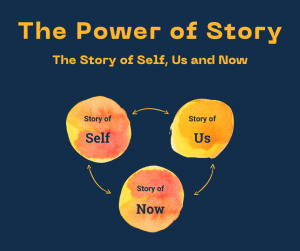 Image Source: Commonslibrary.org
A Think Piece
Exploring this module strengthened my existing belief that stories are powerful and important and need to be told in whatever way possible. Stories are how we learn, relate, grow, empathize and understand the world and the people who live in it. It also made me think of how some stories are at risk of being changed, re-written, misinterpreted and erased because they are uncomfortable and shed light on the dark and unpleasant events that have occurred throughout history. Another issue that falls under this umbrella of controlling stories are book bans because someone has determined that the subject matter is offensive and does not appeal to everyone. As this module demonstrates, stories hold amazing power and speak truth to personal and cultural experiences, offer information on a variety of subjects, and provide knowledge about historical events as they happened during a certain time. Preserving this information is not only vital, but also necessary because, as the saying goes, to prevent history from repeating itself; but also, to learn from the past, both the negative and the positive.
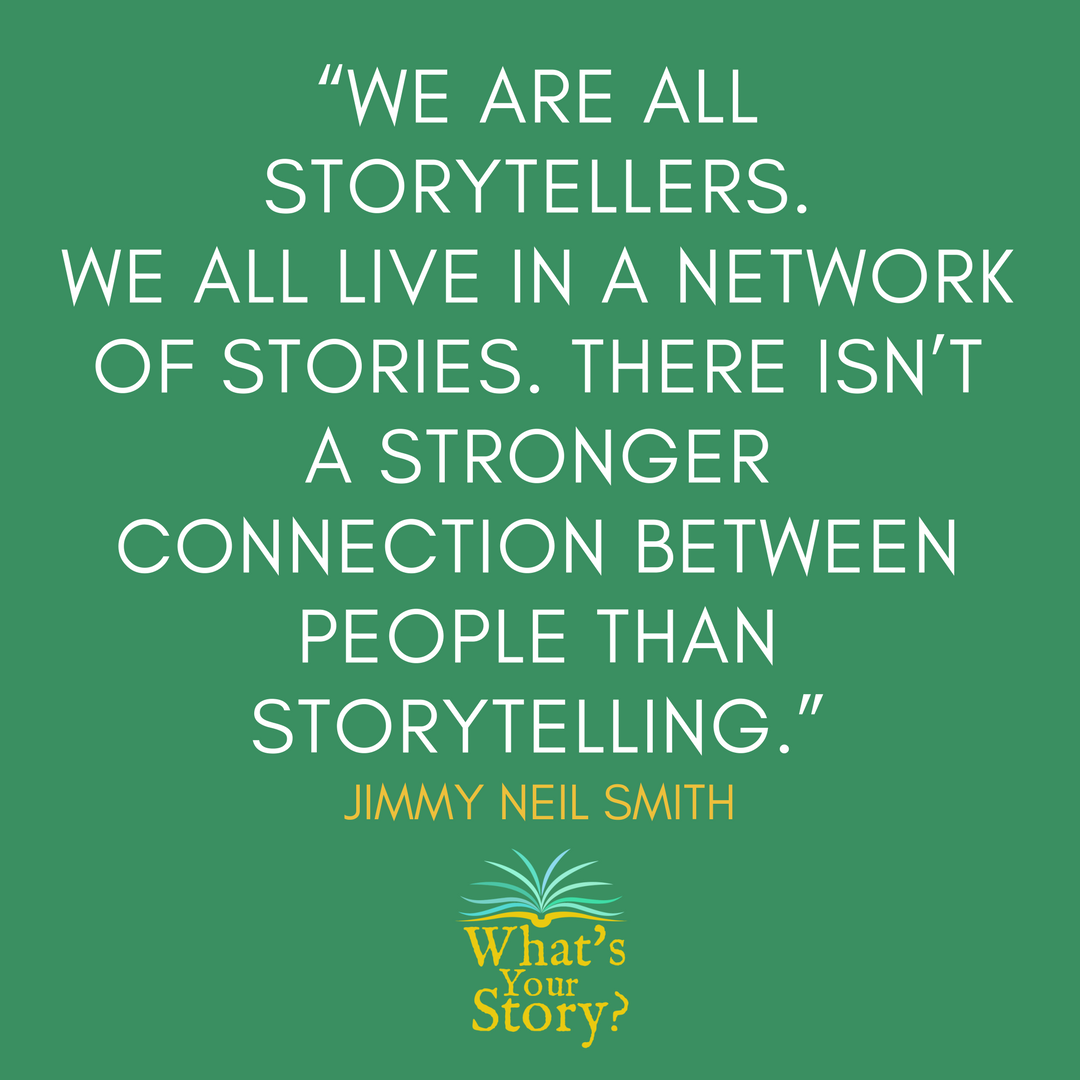
Stories not only bring and preserve life, but they cultivate life as well. Just think of having a conversation, you’re essentially telling and sharing a story in some shape, form or fashion. Granted, stories can be convoluted, embellished, and/or exaggerated, but it is still a story being told. When it comes to understanding stories as fact or fiction, that is when additional review and research may be needed. Nonetheless, that is the beauty of stories, they can take you on a journey and open your mind to a plethora of new and unknown information or can give a better understanding of something you already know. A story can serve many purposes and can be told in several ways, such as orally, written, recorded, in song, or in a picture, among others. This is another beauty of stories; they can be shared across a variety of mediums. No matter how or in what way a story is told, the story still deserves to be told and remembered.
One of the articles that resonated with me and partly motivated my blog discussion was “Challenged but not dying, the public libraries are more relevant than ever” by Madalina Paxaman of Jutland Station. The article featured an interview with Dr. Stephens during the Next Library 2019 Conference, discussing the challenges facing public libraries and how those challenges can be addressed. Dr. Stephens provided a lot of useful nuggets to combat this issue and explained how embracing change and stepping outside of your comfort zone can immensely change a library professionals’ approach to library work. Another important point Dr. Stephens made that really hit home for me and coincides with my people-centric outlook of the hyperlink library, and with this blog post, is making sure the library supports and welcomes everyone. This, to me, is the foundation that establishes the framework of providing access to information and resources needed in your community and for the patron, any patron. Having materials, programs, and resources that help and contribute to someone’s story and life journey is paramount, no matter who they are. With that, I will conclude with this excerpt from the interview that really spoke to me (Paxaman, 2019),
So, I think that the most important challenge we are facing in libraries now is ensuring we are open and welcoming for everyone. The world has changed so much in the last few years. We need to make sure our services meet the needs of those who might visit the library to feel safe. Those who need access to information and services that may help them get on solid ground in their lives. The underserved and the invisible should feel welcome and encouraged in our spaces, both physical, virtual and across the community itself. And every voice should be heard. Every story told. In the States, so many things are driven by fear right now. I hope that changes. Libraries can push back against fear with the power of free information and a space that says no matter who you are, you are welcome. ~Dr. Stephens
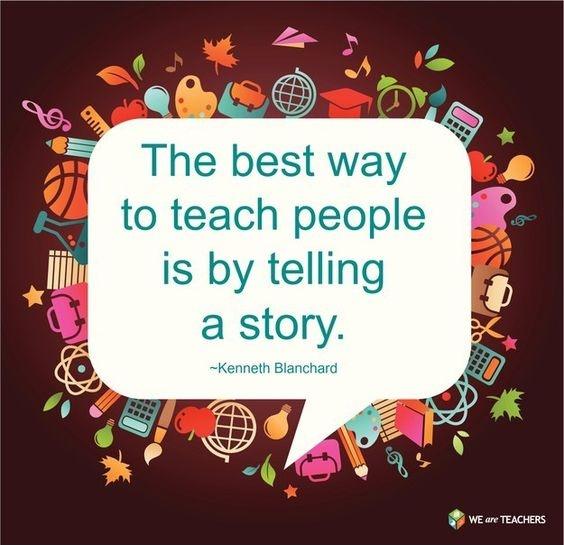
Image Source: https://www.picturequotes.com/the-best-way-to-teach-people-is-by-telling-a-story-quote-353280
References
Paxaman, M. (2019). Challenged but not dying, the public libraries are more relevant than ever: An interview with Dr. Michael Stephens. Jutland Station. https://www.dropbox.com/scl/fi/dd3t7to32e7ky5mqduns6/Challenged-but-not-dying-the-public-libraries-are-more-relevant-than-ever-Jutland-Station.pdf?rlkey=6bppru4ffp80pakifb0mh2wo2&e=1&dl=0
Recent Comments