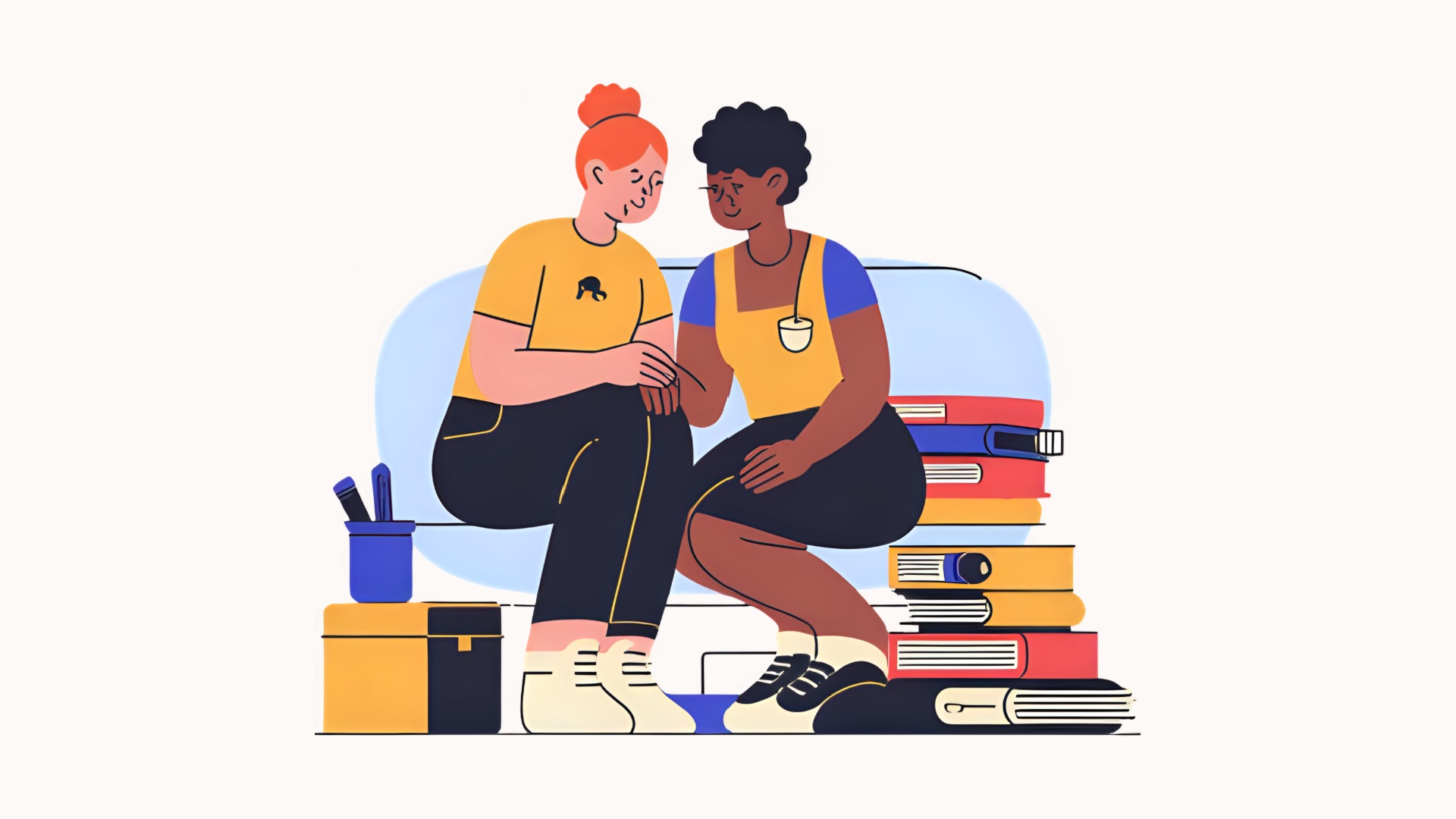
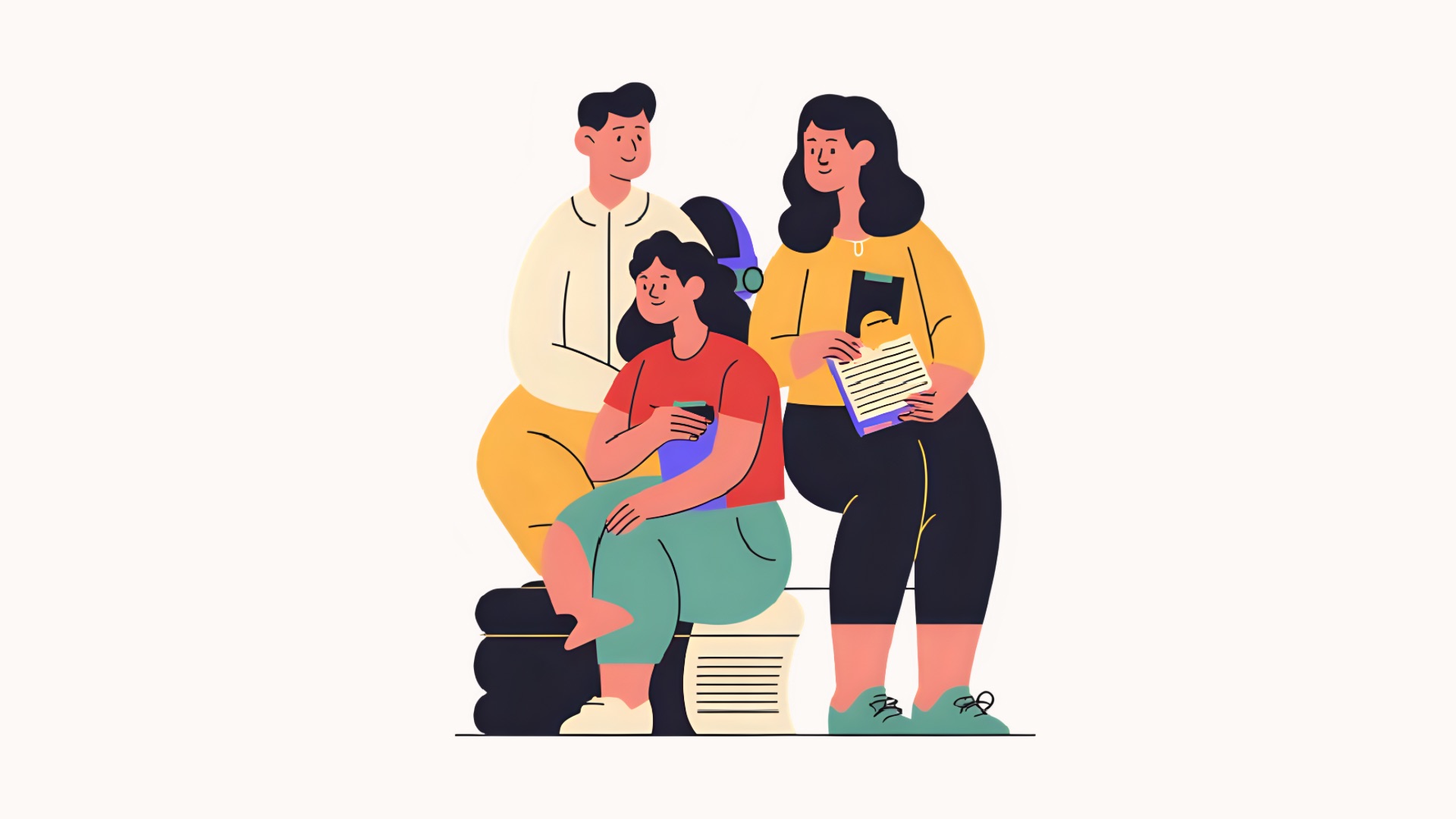
Author: Bevin Clempson

Reflection Blog: Infinite Learning

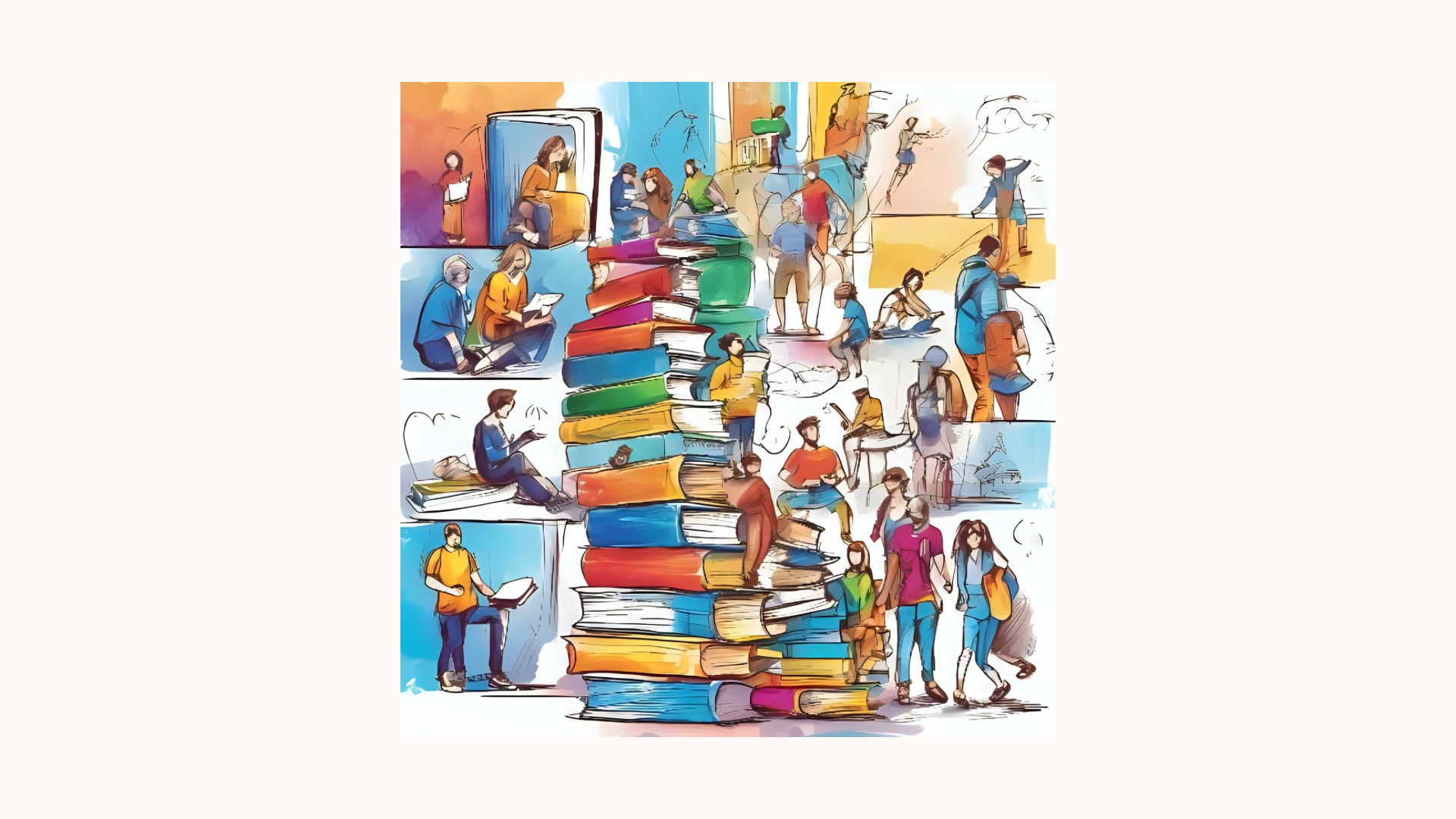
The Importance of Ongoing Learning in Libraries

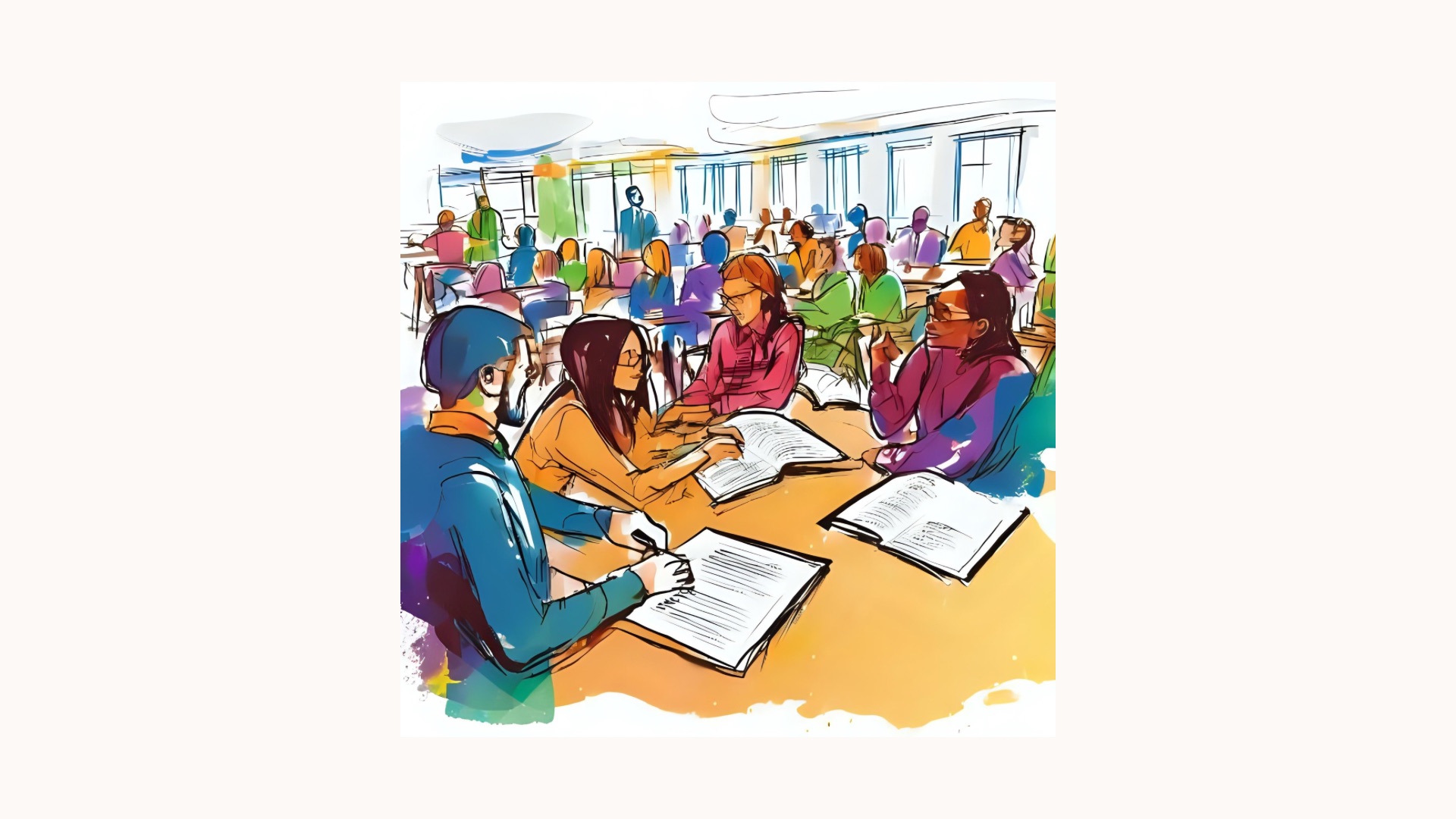
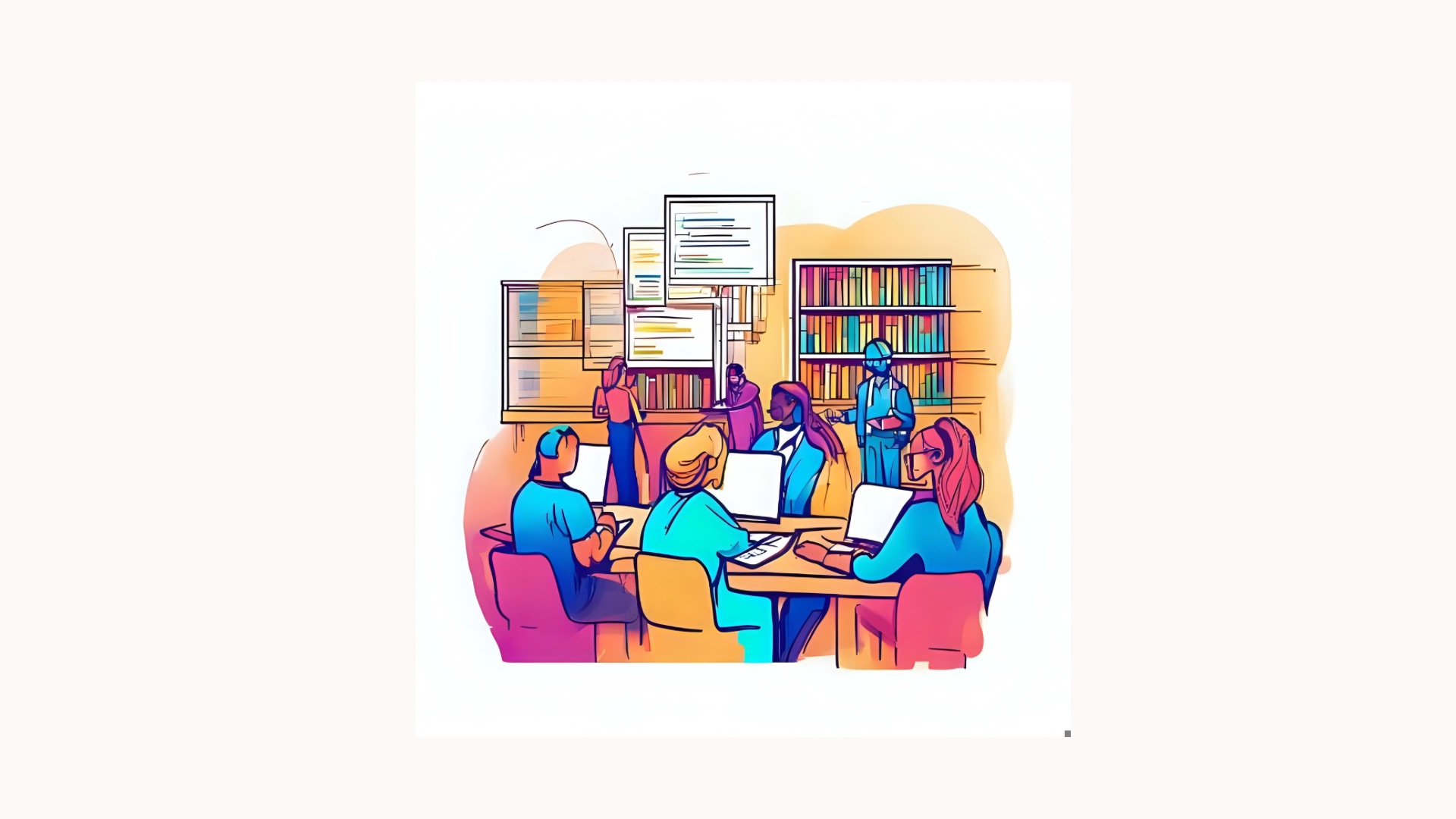
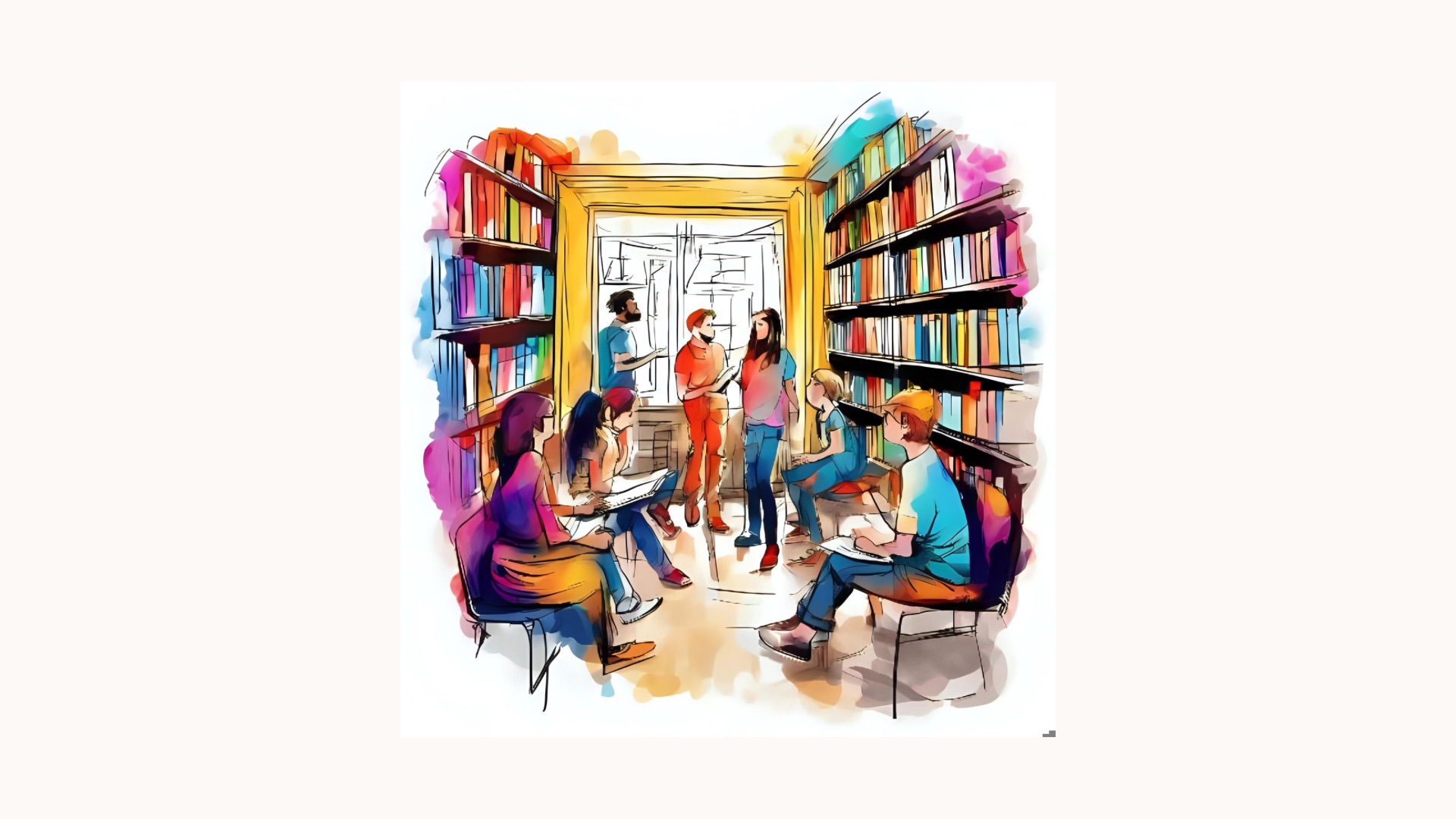
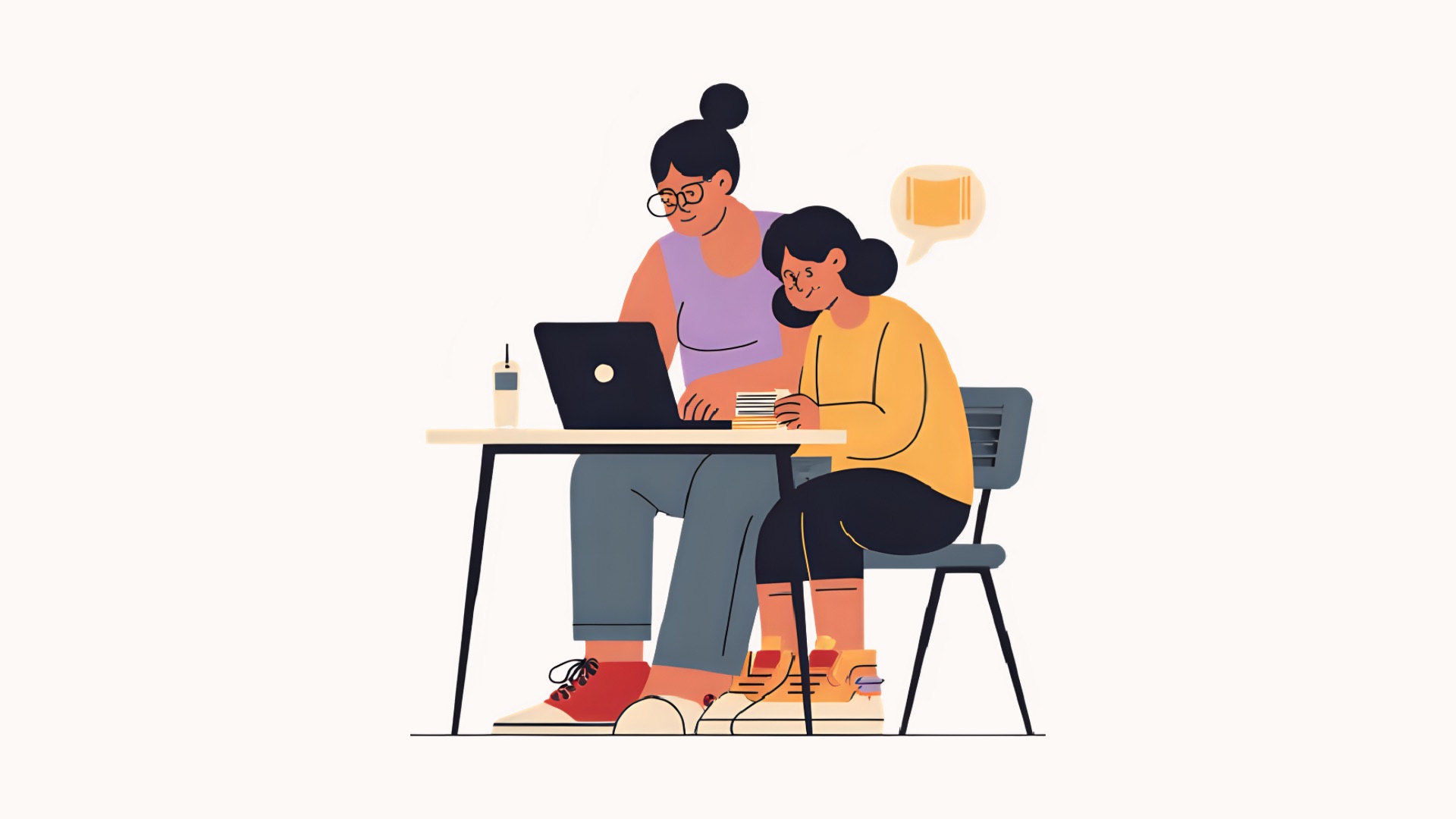
In librarianship, learning is an ongoing process. As libraries continue to evolve to meet the changing needs of their communities, library staff must adapt alongside them. Professional learning experiences (PLEs) help us stay curious, confident, and connected — supporting both daily practice and long-term development (Stephens, 2019).

Stephens (2019) describes impactful PLEs as personal, practical, and easy to access. They allow us to approach new challenges with interest rather than uncertainty. However, access to these opportunities is not evenly distributed across roles in the library world, and that imbalance has real consequences.

When Learning Opportunities Are Uneven

As a school library technician, I’ve seen how unequal access to PLEs limits growth — not only for myself, but for technicians across our district. Teacher librarians often participate in conferences and district-led learning days, while library technicians are usually left to adapt on their own.

This gap matters. Without structured opportunities to update our skills, we risk falling out of step with the needs of students and educators. We also miss out on collaboration, shared reflection, and alignment with district goals. Ultimately, the library’s ability to innovate and fully support student success is affected.

Why It’s Time for Change

Professional learning shouldn’t be reserved for certain positions. Research from Stephens (2016a) emphasizes that access to ongoing learning strengthens staff confidence and fosters a culture of collaboration. Findings from Hulbert’s (2023) findings from the US Library Survey 2022 reinforce this, showing that professional development remains essential as libraries navigate new technologies, shifting user expectations, and post-pandemic changes. When staff have access to relevant, current learning, they are better prepared to adapt and support their communities.

Stephens (2016b) also argues that learning is central to effective librarianship and that engaging regularly with new ideas helps library staff respond more creatively to community needs. When everyone has access to PLEs the entire school library system becomes stronger, more consistent, and more responsive.

Learning by Doing

Stephens (2014, 2019a, 2021) reminds us that some of the most meaningful learning in libraries happens through experience — trying things out, reflecting on what works, and building on what we’ve learned over time. This constructivist approach is all about learning by doing, and it fits naturally with how many library staff develop their skills.

A systematic review by Shahzad and Khan (2023) found that librarians are far more motivated to participate in professional development when it feels personally relevant and when their workplace actively supports it. When learning connects directly to our interests and real challenges, we’re more likely to dive in, experiment, and keep growing.

This is exactly what PLEs enable. They give library staff the chance to explore topics that matter to them and connect new insights to their everyday work. For example, attending a webinar on open access might spark deeper interest in copyright or licensing, which can shift how we support teachers and students. Each learning experience adds another layer to our understanding.

But when paraprofessionals don’t have access to these opportunities, we lose the chance to experiment, adapt, and grow. Without ongoing learning, it becomes harder for libraries to stay responsive and relevant in a constantly changing educational landscape. Ensuring that every staff member has access to hands-on, meaningful learning isn’t just helpful — it’s essential.

Toward a Culture of Continuous Growth

For school libraries to truly thrive, every staff member needs access to ongoing, meaningful learning. Stephens (2019b) underscores that successful librarianship is built on curiosity, compassion, and continuous development.

Professional learning isn’t optional — it’s the foundation of a vibrant, innovative, and equitable library system. When districts invest in accessible PLEs for all staff, they strengthen individual practice and contribute to a healthier, more collaborative learning culture throughout the school community.

____________________

References

Hulbert, I.G. (2023, March 30). US library survey 2022: Navigating the new normal. ITHAKA S+R. https://sr.ithaka.org/blog/findings-from-the-most-recent-us-library-survey/

Shahzad, K., & Khan, S. A. (2023). The relationship between motivational factors and librarians’ professional development (PD): A systematic review. Journal of Librarianship and Information Science, 55(2), 383–402. https://doi.org/10.1177/09610006221083685

Stephens, M. (2013, November 26). #Ylibrary: Making the Case for the Library as Space for Infinite Learning. State Library Queensland. https://www.slq.qld.gov.au/blog/ylibrary-making-case-library-space-infinite-learning-michael-stephens

Stephens, M. (2016a). Lessons from Learning 2.0 and Learning to Learn. In The Heart of Librarianship (pp. 134-136). ALA Editions.

Stephens, M. (2016b). Learning to Learn. In The Heart of Librarianship (pp. 140-142). ALA Editions.

Stephens, M. (2019a). PLEs & ALA. In Wholehearted Librarianship (pp. 55-57).

Stephens, M. (2019b). Formula for success. Wholehearted Librarianship (pp. 30-32).

Stephens, M. (2021). The Strategic, Curious & Skeptical Learner. INFO 287 – The Hyperlinked Library. https://287.hyperlib.sjsu.edu/wp-content/uploads/2021/04/The-Strategic-Curious-Skeptical-Learner-Australian-Public-Librarians-and-Professional-Learning-Experiences.pdf


*images created by author in Canva

Reflection Blog: The Power of Stories

Stories Bring Us Together

Stories sit at the core of what it means to be human. They shape our sense of self, deepen our understanding of others, and help us navigate the world — its joys, struggles, surprises, and contradictions. From bedtime read-alouds to podcasts on the bus, from family memories to quick anecdotes traded over tea or coffee (maybe even wine), storytelling connects us across ages, cultures, and experiences.

Libraries have always understood this. For generations, they’ve offered spaces where we can step into another person’s life simply by opening a book. But today, libraries are more than guardians of stories — they’re places where stories are created, shared, and celebrated.

In many ways, the library isn’t just a home for stories. It’s a home for us.

From Stacks to Story Studios

A great example is the DOK Library in Delft, Netherlands. Its mission extends far beyond lending books. Through multimedia exhibits, community-driven archives, and interactive installations, visitors are encouraged to contribute their own experiences. Instead of receiving information passively, people help build an evolving portrait of their community.

This reminds us that libraries aren’t immovable institutions. They’re vibrant, collaborative spaces where everyone plays a part in shaping the narrative.

This same spirit is reflected in projects like StoryCorps, which works with public libraries across the United States to help people record meaningful conversations (Eberhart, 2018). These personal reflections become part of a broader cultural memory. For students, listening to or recording stories like these can be powerful. It’s not just communication practice; it’s a chance to build curiosity and empathy. It also ties directly to information literacy: understanding people and their contexts — not just locating facts.

Borrowing People, Not Just Books

Another compelling example is the Human Library project. Instead of borrowing a book, visitors “borrow” a person willing to share their lived experience in a one-on-one conversation. Participants might meet someone who has faced homelessness, recently immigrated, or simply sees the world from a very different angle. The goal is to encourage understanding by fostering genuine dialogue rather than assumptions.

Writers who have studied the Human Library note that it helps communities learn about themselves in meaningful ways (Wentz, 2013). Research also suggests that participants often leave with a stronger sense of empathy, especially toward those whose perspectives are underrepresented or misunderstood (Aarne-Skidmore, 2021).

Imagine bringing this idea into a school library — a dedicated day where students can sit down with elders, newcomers, or classmates whose stories they may never have heard otherwise. Educators describe these as moments of courageous conversation, where the simple act of listening becomes a bridge between people (Ray, 2019).

Storytelling in the School Library

School libraries are uniquely positioned to cultivate this culture of storytelling and attentive listening. Equipped with digital tools and creative spaces, students can become storytellers themselves — through podcasts, videos, zines, or projects inspired by initiatives like The Library’s Listening Lab (Mairn & Terrana, 2022). Along the way, they learn to share their own stories while respecting and valuing the stories of others.

This aligns with what scholars call narrative inquiry: reflecting on and exchanging stories to better understand who we are, where we come from, and where we’re headed (Stephens, 2020). It’s a skill that follows students well beyond school, nurturing empathy, perspective-taking, and community connection.

Creating this kind of culture means ensuring that every voice feels welcome. As Paxaman (2019) notes, libraries remain vital precisely because they respond to evolving community needs — and right now, people deeply need spaces where they can feel heard. That might take the form of story circles, inclusive collections, or collaborative projects that highlight a wide range of experiences.

Each time we make room for someone’s story, we’re reinforcing that their voice matters.

Why It Matters

At their foundation, libraries are about connection. They connect people to information, of course, but also to ideas, experiences, and one another. When librarians embrace the role of story facilitator, something truly meaningful happens: the library becomes not just a learning environment, but a place where people feel they belong.

Imagine a student recording their first podcast, a Human Library conversation where a hesitant teenager asks a heartfelt question, or someone sharing the history of where they come from. Each of these moments builds a bridge — created through openness, curiosity, and the willingness to truly listen.

Ultimately, stories remind us we’re all part of a larger tapestry. Everyone who walks into a library carries a story worth hearing. And when those stories come together, they help create the kind of community that grows from empathy, imagination, and connection.

At their best, libraries are where connections spark every day — where the human story continues, one voice, one listener, and one shared moment at a time.

____________________

References

Aarne-Skidmore, E. (2021). New study on the impact of the Human Library. Human Library. https://humanlibrary.org/new-study-on-the-impact-of-the-human-library/

Eberhart, G. M. (2018, February 10). Sharing people’s stories: StoryCorps partners with public libraries. American Libraries Magazine. https://americanlibrariesmagazine.org/blogs/the-scoop/sharing-peoples-stories/

Mairn, C., & Terrana, J. (2022). A library’s listening lab. INFO287 – The Hyperlinked Library. https://287.hyperlib.sjsu.edu/wp-content/uploads/2022/06/MairnListeningLab.pdf

Paxaman, M. (2019). Challenged but not dying, the public libraries are more relevant than ever. Jutland Station. https://www.dropbox.com/scl/fi/dd3t7to32e7ky5mqduns6/Challenged-but-not-dying-the-public-libraries-are-more-relevant-than-ever-Jutland-Station.pdf?rlkey=6bppru4ffp80pakifb0mh2wo2&dl=0

Ray, M. (2019). Courageous conversations at the Human Library. Next Avenue. https://www.nextavenue.org/courageous-conversations-human-library/

Stephens, M. (2020, April 9). Office hours: Narrative inquiry. Tame the Web. https://tametheweb.com/2020/04/09/office-hours-narrative-inquiry/

Wentz, E. (2013, April 26). The Human Library: Sharing the community with itself. Public Libraries Online. https://publiclibrariesonline.org/2013/04/human_librar/


*images created by author in Canva

Reflection Blog: New Models

Creativity, Connection & the Future of User Experience

Libraries have long been trusted as safe, reliable, and welcoming places — cornerstones of their communities where everyone belongs. But today, they’re becoming something much more dynamic. Across North America, libraries are evolving into vibrant, creative spaces that nurture curiosity, care, and connection. They’re no longer just repositories of information, but catalysts for imagination and community resilience.

As Klinenberg (2018) reminds us, libraries serve as vital social infrastructure — places that help communities not just survive, but thrive. In an era when public institutions face growing political and financial pressure, libraries continue to stand for openness, inclusion, and learning for all. Their strength lies in their ability to adapt: to listen deeply, to experiment bravely, and to reimagine what it means to serve.

This spirit of transformation begins with curiosity and the desire to explore new ideas, engage diverse voices, and design experiences that feel both personal and shared. It’s this curiosity-driven approach that redefines the library’s purpose for the next generation.

Curiosity at the Core

Anythink Libraries offer a powerful model for what transformation can look like when curiosity becomes the compass. Instead of simply adding technology or trendy programs, Anythink has reimagined the entire library experience — from how staff engage with patrons to how spaces invite exploration. Their strategic plan centers on human experience, creative experimentation, and empathy-driven service.

This approach reflects what Stephens (2019) calls a hygge state of mind — an atmosphere that feels warm, meaningful, and deeply human. Anythink has reshaped what a library can feel like, offering an experience that sparks imagination as much as it provides information.

Transformation rooted in creativity and user experience should guide the future of library service. The work ahead isn’t just about resources — it’s about relationships. It’s about building spaces where curiosity drives connection and where innovation grows from care.

Libraries Show Up in Unexpected Ways

Today’s libraries are increasingly mobile, digital, and community-centered — meeting people where they are, not waiting for them to walk through the door. The Sacramento Rolling Library Train brings books, Wi-Fi, and learning opportunities directly to commuters, transforming a train into a hub for discovery. Meanwhile, the New York Public Library’s Insta Novels project turned Instagram Stories into a new platform for classic literature — proving that libraries can innovate within the very ecosystems that define our daily lives.

Some libraries are even expanding their reach beyond books entirely. As highlighted by Free (2023), tool libraries across North America empower people to build, repair, and create while fostering sustainability and shared learning. As Ewen (2018) observed, libraries that connect people through shared experiences, like food and creativity, foster powerful inclusion and belonging. Similarly, a CBC story on a restaurant-library partnership in Ontario shows how food and culture can bring people together — turning libraries into living, breathing community kitchens of learning and connection.

These innovations show us that libraries are no longer just places of access — they’re platforms for experience, growth, and belonging.

Transforming the School Library for Teens

For teens, future libraries must be collaborative, expressive, and authentic. Imagine a school library where students co-design displays, record podcasts, or host pop-up makerspaces and librarians act as mentors and co-learners, not gatekeepers. This shift isn’t idealistic — it’s necessary.

As Lauersen (2024) reminds us, the value of libraries lies in how they help people connect, create, and belong. When school libraries embrace flexibility, play, and participation, they cultivate curiosity and confidence in equal measure. For teens navigating an uncertain world, these spaces can become anchors offering a safe space to grow, imagine, and find their voice.

Building the Future, Together

Libraries aren’t evolving just because technology demands it. They’re evolving because people need it. In a time when misinformation spreads easily and public spaces are shrinking, libraries continue to model what democracy, empathy, and community look like in practice. They remain one of the few public institutions where everyone is welcome — a mission that feels more urgent than ever.

Through borrowed tools, shared meals, mobile libraries, and digital storytelling, libraries continue to show us their greatest resource is connection. The future of librarianship will depend on our ability to stay curious, courageous, and compassionate — crafting experiences that make people feel seen, supported, and inspired.

Libraries remind us that, even in uncertain times, imagination and empathy can build something lasting: a sense of home for everyone.

____________________

References

Anythink Library. (2025). About Anythink. Anythink Libraries. https://www.anythinklibraries.org/about

CBC News. (2024, December 28). How a restaurant-library partnership made food and culture accessible. CBC.  https://www.cbc.ca/news/canada/kitchener-waterloo/underground-flavour-group-and-kpl-1.6294810

Ewen, L. (2018, September 4). A movable feast: Libraries use mobile kitchens to teach food literacy. American Libraries Magazine. https://americanlibrariesmagazine.org/2018/09/04/movable-feast-library-mobile-kitchens/

Gaetani, M. (2018, November 11). Libraries and social infrastructure. Center for Advanced Study in the Behavioral Sciences. https://casbs.stanford.edu/news/qa-eric-klinenberg

Klinenberg, E. (2019). Palaces for the people: How social infrastructure can help fight inequality, polarization, and the decline of civic life. Crown.

Lauersen, C. (2024, August 25). The value of libraries: From Roskilde to Toronto. Christian Lauersen. https://christianlauersen.net/2024/08/25/the-value-of-libraries-from-roskilde-to-toronto/

New York Public Library. (2018). The New York Public Library introduces classic literature to “Instagram Stories” with Insta Novels. New York Public Library’s. https://www.nypl.org/press/new-york-public-library-introduces-classic-literature-instagram-stories-insta-novels

Sacramento Regional Transit District. Ride and read on the new Sacramento rolling library train. Sacramento Regional Transit. https://www.sacrt.com/ride-and-read-on-the-new-sacramento-rolling-library-train/

Stephens, M. (2019). Hygge state of mind. In Wholehearted librarianship (pp. 63-65). ALA Editions.


*images created by author in Canva

Reflection Blog: Mobile Information Environments

Library in Your Pocket

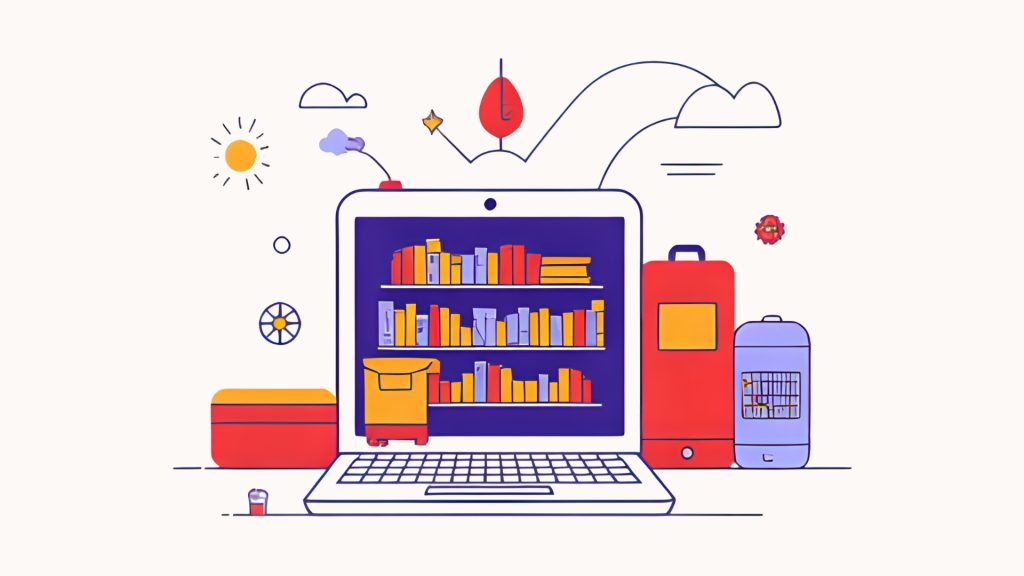
Imagine carrying a library in your pocket. One that allows you to browse shelves, attend workshops, and discover new ideas anytime, anywhere. This is no longer a futuristic vision, but a reality. And today’s public libraries are evolving beyond the traditional brick-and-mortar buildings they once were into dynamic, accessible hubs that meet users anywhere — transforming the way communities create, connect, and learn.

Meeting Users Where They Are

In the past decade, mobile technologies have dramatically reshaped how libraries serve patrons. Smartphones, tablets, and other mobile devices now enable discovery, learning, and creative sharing without ever stepping into a library. Stephens (2016) emphasizes that mobile access allows libraries to meet users on their own terms, aligning services with modern expectations of immediacy, convenience, and constant connectivity. By offering mobile-friendly catalogs, apps, and digital resources, libraries integrate seamlessly into the daily lives of their communities — embedding themselves directly into the routines of users.

Bridging Technology Gaps

The benefits of mobile technology in libraries are practical and profound. Deloitte (2018) shows that most adults carry smartphones daily, making them ideal tools for library services. However, not everyone owns a device or has reliable internet access. Watson (2023) explores smartphone lending programs that bridge these gaps by giving underserved patrons access to essential digital resources. Similarly, Furbee (2023) describes sit and surf initiatives that encourage casual, flexible use of mobile technology for learning. These programs reflect a broader trend toward hyperlinked, accessible libraries (Stephens, 2015) where physical and digital collections work together to support discovery and engagement.

Engaging Patrons with QR codes

Mobile tools create exciting opportunities for young patrons. QR codes, for example, allow instant access to book recommendations, multimedia resources, and event information. Jenson (2022) demonstrates how QR codes facilitate readers’ advisory directly in the stacks, creating a seamless, interactive experience for teens and young adults who expect information at their fingertips. Burton, Burton, and Archer (2017) expand this idea with proximity beacons that link physical library spaces to virtual content and merge in-person discovery with digital exploration.

Expanding Learning and Creativity

Mobile technologies enhance creativity and learning beyond access. Patrons can document projects, attend virtual workshops, and share knowledge across platforms. Weinberger (2014) envisions a future where ideas flow freely, unconstrained by physical boundaries. Stephens (2015) describes libraries as hyperlinked centers of connection that blend tangible and digital collections to foster collaboration, innovation, and lifelong learning.

Promoting Equity and Access

Equity is another critical benefit of mobile technologies. Silver (2019) and Watson (2023) highlight persistent disparities in device ownership and internet access. By providing the tools, lending devices, and designing mobile-optimized services, libraries ensure that all patrons participate fully in the digital age — reinforcing their role as a community equalizer.

Libraries Beyond Walls

Ultimately, mobile technologies transform the library from a physical location into a flexible, interactive experience. Discovery, creativity, and learning are no longer limited by location. Hyperlinked services, mobile lending, and QR codes allow users (especially younger patrons) to explore, create, and share wherever they are.

The library is no longer just a building. It’s become a companion, a guide, and a gateway to lifelong learning — all in your pocket.

____________________

References

Burton, K. T., Burton, J., & Archer, A. (2017). Using proximity beacons to connect physical & virtual library spaces: A case study. Library Hi Tech, 35(4), 656–670. https://doi.org/10.1108/LHT-07-2017-0140

Deloitte. (2018, September 28). Mobile consumer survey 2018: The UK cut: explore how the mobile landscape is going through a disruption and the likely impact on it in the next five years. Deloitte. https://www2.deloitte.com/au/en/pages/technology-media-and-telecommunications/articles/mobile-consumer-survey-2018.html

Furbee, B. (2023). Sit and surf: Flexible learning in modern libraries. Public Libraries Quarterly, 42(1), 45–59. https://doi.org/10.1080/01616846.2023.1987654

Jenson, K. (2022). Using QR codes for RA: Helping patrons find new book recommendations in the stacks. Young Adult Library Services, 20(3), 12–18.

Silver, L. (2019, February 5). Smartphone ownership is growing rapidly around the world, but not always equally. Pew Research Center. https://www.pewresearch.org/global/2019/02/05/smartphone-ownership-is-growing-rapidly-around-the-world-but-not-always-equally/

Stephens, M. (2016). Mobile at the library. In The heart of librarianship (pp. 43-46). ALA Editions.

Stephens, M. (2015). Serving users when and where they are: Hyperlinked libraries. Library Journal, 140(10), 28–31.

Watson, K. (2023). Libraries on call: Smartphone lending program bridges technology gaps. Public Libraries Online. https://publiclibrariesonline.org/2023/05/libraries-on-call-smartphone-lending-program-bridges-technology-gaps/

Weinberger, D. (2014, September 22). Let the future go. The Digital Shift. http://www.thedigitalshift.com/2014/09/digital-libraries/let-the-future-go/


*images created by author in Canva

Reflection Blog: Hyperlinked Communities

Reimagining Teen Services

As discussed in Assignment X, traditional library services fall short when it comes to serving teens. Teenagers occupy a unique space; too old for children’s programming and not necessarily drawn to adult offerings.

To remain relevant, libraries must rethink how they engage with teens — both inside the building and beyond it. Stephens (2019) emphasizes wholehearted librarianship rooted in empathy, creativity, and community engagement. For YA services, this means seeing teens as creators, collaborators, and agents of their own learning.

Meeting Teens Where They Are

Teens live in hyperlinked communities online, curating identities and connecting through platforms like TikTok, Instagram, and Discord. Jensen (2023) highlights how BookTok drives reading engagement by sharing the emotional impact that teen readers crave. Getting online is a great way for libraries to share behind-the-scenes videos, interactive challenges, and moderate Discord spaces — turning digital platforms into extensions of the library.

Alternative service delivery models help libraries reach teens where they are physically and digitally. Pop-up libraries at schools or parks, book bikes rolling through neighborhoods, and community lockers for after-hours pickup make resources accessible to teens who might never step into a branch. Warner (2018) emphasizes that these strategies help libraries stay visible, relevant, and approachable.

Teens as Creators, Not Just Consumers

Social media thrives on creation, and teens are eager to express themselves. Libraries can invite them to co-create content. Some examples would be to:

  • Host “Teen Takeover Tuesdays” on Instagram or TikTok.
  • Feature teen artwork, writing, and videos on library website and social media channels.
  • Offer workshops in podcasting, video editing, and digital storytelling.

This approach helps build community while empowering teens as leaders and contributors, fostering authentic engagement and a sense of ownership over their library experiences. And it’s happening out there in the real-world. 

At Oakland Public Library, teens participate in the monthly Teen Zine Club, a space where they create their own zines using supplies provide by the library. This initiative allows teens to express themselves creatively and share their voices with the community.

At Brooklyn Public Library, Teen Takeovers offer after-hours events planned and hosted by teens for teens. The Teen Takeovers Branch Council is an internship program where high school students plan, organize, promote, and host these events — gaining valuable skills in event planning and community engagement. 

And at the Boston Public Library, the Teen YouTube channel is where teens create and share content like book discussions, craft tutorials, and event highlights. It provides teens with an opportunity to develop digital literacy skills and engage in a creative way.

Recognizing and amplifying youth-produced content, what Bernier (2025) calls fugitive literacies, is essential for meaningful teen engagement. Libraries can include teen perspectives in collection development, program planning, and displays — all ways to shift from adult-centered programming and provide teen-centered spaces.

By combining digital engagement, flexible service models, and wholehearted practice, libraries center teen agency, creativity, and voices — transforming libraries into vibrant, hyperlinked communities where young people feel seen, heard, and empowered.

Libraries as Lifelong Allies

Libraries are more than repositories of books — they need to be spaces of equity, wellness, and digital empowerment. By blending empathy, flexibility, and creativity, public libraries become trusted partners in the intellectual, social, and emotional growth of teens.

They provide safe spaces for exploration, mentorship, and self-expression, while also connecting teens to digital tools, collaborative projects, and community resources. When libraries actively support teen agency, foster creative opportunities, and meet young people where they are, they transform into dynamic, inclusive hubs where teens can build skills, form meaningful connections, and discover their voice.

____________________

References

Bernier, A. (2025, September 21). AB’s Abstract Lecture #5 “To know the world and have the world know us…”(Part I, The Fugitive Landscape) [PDF]. https://drive.google.com/file/d/1XZn3v_zsq9JZILgjV-q-J2Iqh92huEQ2/view?usp=drivesdk

Boston Public Library Teens. (n.d.). Home [YouTube channel]. YouTube. Retrieved October 5, 2025 from https://m.youtube.com/channel/UCnyckhGtDbUK1MCG-EPYmrw

Brooklyn Public Library. (2025). Teen takeovers. Brooklyn Public Library. https://www.bklynlibrary.org/event-series/teen-takeovers

Brown, A., Hurley, M., Perry, S. & J. Roche. (2021). Zines as Reflective Evaluation Within Interdisciplinary Learning Programmes. Frontiers in Education. https://www.frontiersin.org/journals/education/articles/10.3389/feduc.2021.675329/full

Hasan, T. N. (2022). ‘Free, non-judgemental, accessible’: How your local library is a sanctuary of health and wellness. SBS. https://www.sbs.com.au/language/bangla/en/article/free-nonjudgmental-and-accessible-how-your-local-library-is-a-sanctuary-of-health-and-wellness/t15blzsi9

Jensen, K. (2022). As Seen on #BookTok: Inspiring Young Readers, TikTok Is a Boon for Books. School Library Journal. https://www.slj.com/story/as-seen-on-booktok-inspiring-young-readers-tiktok-is-a-boon-for-books-libraries

Opalmaya. (2025). Teen topics: Zines. Oakland Public Library. https://oaklandlibrary.org/blogs/post/teenresources-zines/

Potter, N. (2022). Instagram for libraries. Ned Potter. https://www.ned-potter.com/blog/instagram-for-libraries

Stephens, M. (2019). Libraries in Balance. In Wholehearted Librarianship. ALA editions.

Warner, L. (2024). Revolutionizing Public Libraries: Three Ways that Alternative Service Delivery Strategies Can Meet the Challenges of a Booming Population. Medium. https://medium.com/@lauracwarner/revolutionizing-public-libraries-ff7fed3d12c5

Williams, A. & Muller, C. (2021) Libraries are bridging the digital divide. Internet Society. https://www.internetsociety.org/blog/2021/03/libraries-are-bridging-the-digital-divide/


*images created by author in Canva

Assignment X: Next-Gen Libraries

Teens in charge

Public libraries have long been pillars of community engagement — providing spaces for learning, connection, and personal growth. And yet, somehow, providing meaningful, relevant services to teens remains a challenge for most.

Adolescents have unique social, developmental, and cultural needs that traditional library programs and spaces don’t address — leading to disengagement and underuse. This gap underscores the importance of participatory service: a co-creative approach in which libraries involve community members and users in designing, developing, and delivering services. Participatory service fosters ownership, strengthens social bonds, and transforms libraries from passive service providers into active partners in community building. When it comes to teens, this is missing.

Completely.
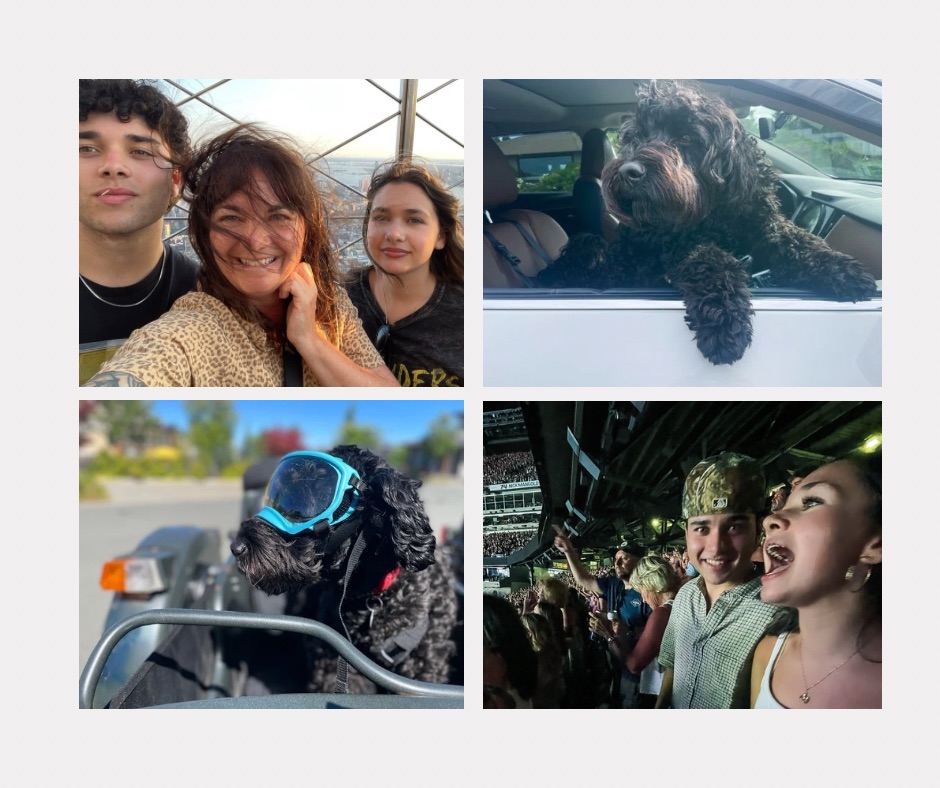
The hyperlinked library model, as Stephens (2016) describes, envisions libraries as adaptive, networked, and human-centered. He highlights that effective, forward-thinking librarians approach policies, decisions, and experiments with a human-centered perspective, prioritizing empathy and the needs of people. This begs the question: do libraries see teens as people? The research, well lack of, tells us they don’t (Bernier, 2025).

We can do better.

By placing the human element at the center of library services, public libraries create spaces where teens are empowered to shape collections, environments, and programming that meet their needs and foster meaningful connections.

No space, no voice

Dedicated teen spaces aren’t a luxury. They’re essential for positive youth development, social engagement, and skill-building. And yet, many public libraries operate under traditional models that fail to meet the developmental and social needs of young adults (Bernier & Males, 2014). Barrett (2021) highlights that lower-income youth often face barriers in accessing safe, welcoming public spaces where they can exercise agency and feel belonging.
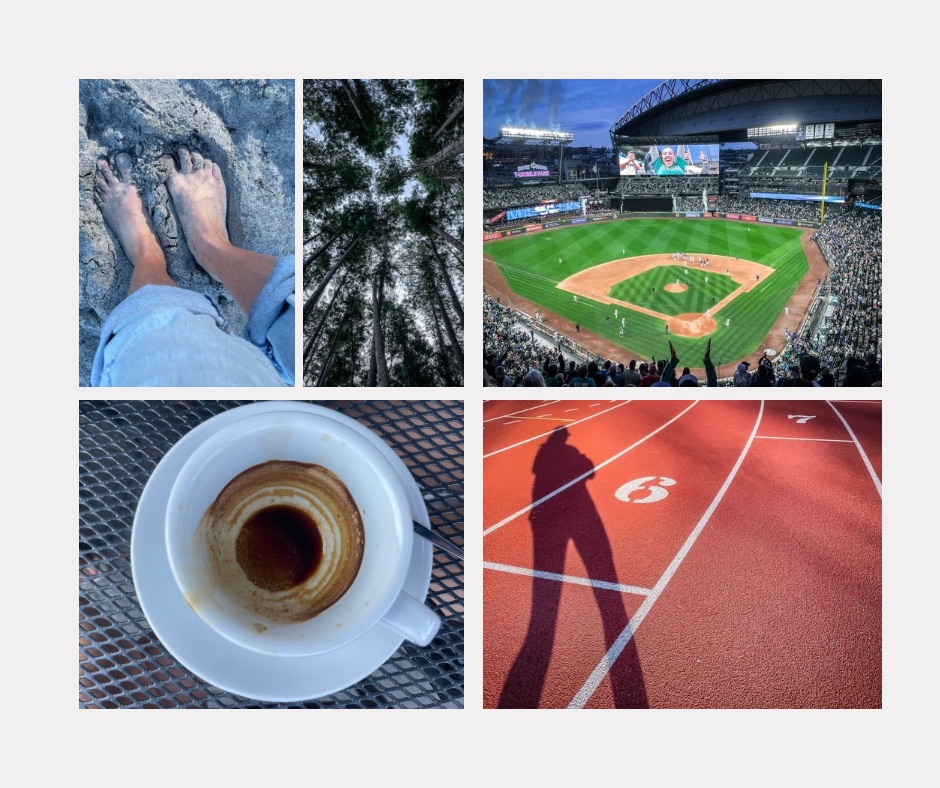
Without areas designed specifically for teens (and preferably with teens), opportunities for social interaction, collaboration, and self-expression are limited. As Casey and Stephens (2008) point out: libraries must actively respond to teen interests and provide programs and spaces that allow them to feel valued and included.

Building with teens

Participatory service moves libraries beyond traditional service delivery by involving teens as co-creators. In this model, library staff and users collaborate to develop new programs, apply user-centered design principles, and empower teens with agency over library offerings.

By breaking down barriers and identifying blind spots in service assumptions, participatory service would ensure that programming is relevant and reflective of actual teen needs (not what adults think they need). This approach aligns with the hyperlinked library’s vision of ongoing adaptability, radical engagement, and human-centered service.
Klinenberg (2018) stresses that libraries are a vital part of a community’s social infrastructure, serving as key spaces that support community connection and well-being. Participatory service enhances this role by strengthening relationships, fostering inclusion, and encouraging civic engagement. Libraries that engage young people in meaningful collaboration help cultivate future citizens who are active contributors in their communities, not just passive users of resources.

This feels like a no-brainer.

Spaces that actually matter

Pulling from four articles I read last week for INFO261A: Programming & Services for Young Adults, a  unifying theme emerged: public library spaces and programs should be intentionally designed to be inclusive, flexible, and participatory — empowering teens to engage, create, and exercise agency (Barrett, 2021; Bernier & Males, 2014; Cranz & Cha, 2006; and Koh et al., 2024).

A few ways to implement participatory service in teen spaces, would be to:

  • Engage teens in program development.
  • Create flexible, youth-friendly spaces.
  • Foster mentorship & peer leadership.
  • Leverage technology & social media.
  • Center the human element.

Participatory service strengthens libraries as social infrastructure by building trust, enhancing inclusivity, fostering civic engagement, improving service relevance, and increasing resilience.
In times of crisis or rapid change, libraries with strong participatory connections can more effectively rally resources and assist their communities. This approach transforms libraries into a people’s place, where the community actively shapes services and spaces rather than passively consuming them.

The library everyone deserves

Teen-centered libraries are dynamic ecosystems where learning, social connection, and civic engagement converge. Through participatory service and the hyperlinked library approach, libraries can empower teens, strengthen social bonds, and respond adaptively to evolving community needs — growing alongside it.

Klinenberg (2018) notes that libraries gather people from diverse backgrounds and interests (hello, teens!) to engage in a vibrant, democratic community. He argues that strong social infrastructure, like libraries, is essential for building a better society. Heck, yeah.

By centering human relationships and giving teens a voice in shaping their spaces and programs, libraries move beyond static institutions to become inclusive, participatory, and resilient hubs that truly serve everyone.

past, present & future

The lack of dedicated teen spaces leaves a gap this future young adult librarian is determined to fill. Having two teenagers and working in school libraries drives me to do more than provide young people with books and programs they don’t want. Leaning into participatory service and the hyperlinked library model, the opportunity for libraries to welcome teens as active partners is there.

There’s much work to do. And I can’t wait to get started.

____________________

References

Barrett, E. J. (2021). Defining Their Right to the City: Perspectives from Lower-Income Youth. Urban Affairs Review (Thousand Oaks, Calif.), 57(3), 709–730. https://doi.org/10.1177/1078087419892081

Bernier, A. (2025, September 7). AB’s abstract lecture: Socially defining YAs . . . with evidence [PDF]. https://drive.google.com/file/d/1DRXv66H14PlXHA6IOfsJ2v1AQGUXkwhF/view?usp=drivesdk

Bernier, A., & Males, M. (2014). YA spaces and the end of postural tyranny. Public Libraries, 53(4), 27.

Casey, M., & Stephens, M. (2008). Embracing service to teens. Tame the Web. https://tametheweb.com/2008/05/15/embracing-service-to-teens/

Cranz, G., & Cha, E. (2006). Body-conscious design in a teen space. Public Libraries, 45(6), 48.

Klinenberg, E. (2018, September 8). Civil society needs the library. The New York Times. https://www.nytimes.com/2018/09/08/opinion/sunday/civil-society-library.html

Koh, K., Balasubramaniam, G., Knox, E., & Zalot, A. (2024). Evaluating The Value and Impact of Makerspaces on Public Libraries. Proceedings of the ALISE Annual Conference. https://doi.org/10.21900/j.alise.2024.1731

Stephens, M. (2016). The heart of librarianship: Advancing the humanist agenda. American Library Association.


*images created by author in Canva

Intro — INFO287: The First Blog Post

Welcome to the first post of open stacks  — a blog dedicated to INFO 287: The Hyperlinked Library coursework.

My name is Bevin (she/her) and I’m Canadian. I live halfway up Vancouver Island (off the West Coast of Canada). I have a BA in Communication and a diploma in Library & Information Technology. I work as a library technician in an elementary school library (K-6). Past experience is heavy on academic library work, with time spent in public libraries and one very short contract in a prison library.

I’m the mom of two humans (19, 15) and one spunky Labradoodle named Wrigley.

After the birth of my second child, I took a 13-year hiatus from library work to focus on the kids. I got bored during the years of early bedtimes and found my way into copywriting, editing, and writing. I continue to work as a freelance copyeditor for a local lifestyle magazine and have the odd essay published here and there.

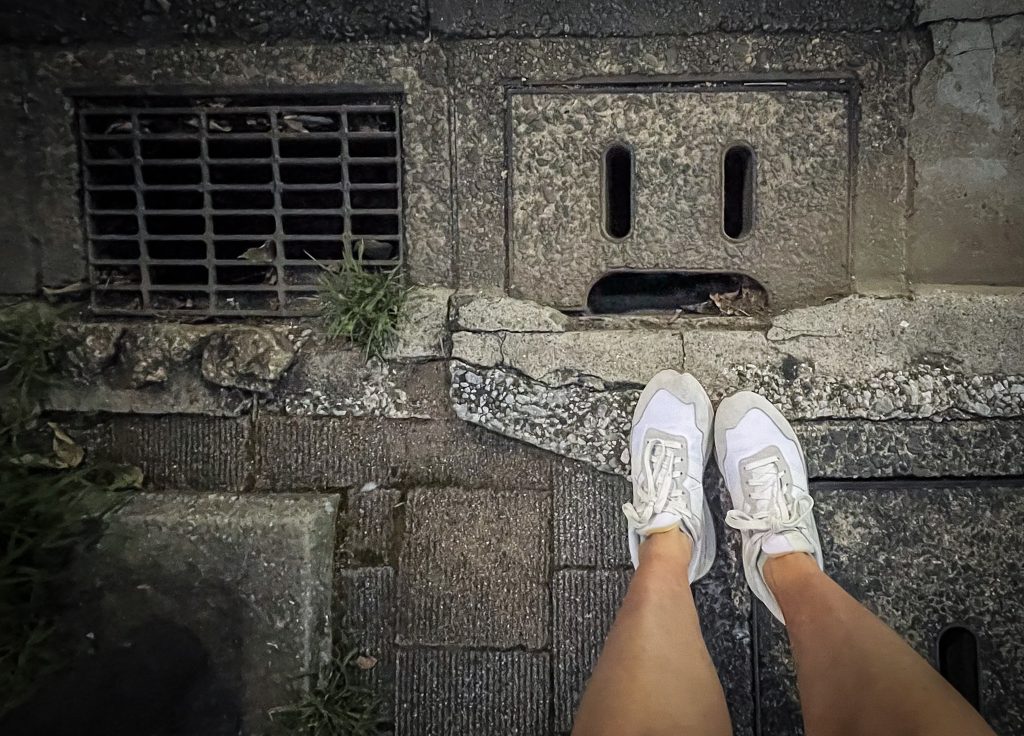
I stay sane with twice daily dog walks, true crime podcasts, and losing myself in a good book. Below are a few of my favorite ways to enjoy life  . . .

I chose this course because I’m curious to learn how the hyperlinked library plays a role in fostering collaboration, openness, and participation through technology in order to create stronger connections between libraries and the communities they serve.

My areas of interest are emerging technologies and public librarianship (with a focus on youth services). This is my fourth semester in the program and I’m intrepidly tackling three courses. Send coffee!

I’m excited that INFO287 brings me back to blogging. Much like journaling, it comes and goes when I need it the most 😉

____________________________

All photos by author.