Infinite Learning Modules: Library As a Classroom Blog Reflection
In this module, Library as a Classroom, I was most inspired by teaching children digital literacy skills and integrating STEM with cooking programs for children and youth.
Children and Teen Digital Literacy
Children and teens online safety is increasingly important in today’s digital world. I found Park’s (2016) article on digital skills and intelligence particularly insightful. Libraries should offer programs that teach digital literacy alongside online safety. As Park (2016) explains, these programs can address important topics such as cyberbullying, online grooming, technology addiction, hate speech, violent content, data theft, scams, obscenity, and radicalization. They should teach young people about their digital rights, relevant policies, and where to seek legal help if they experience online harassment. In addition, children and teens need to know how to seek support from trusted caregivers and guardians. Beyond technical skills, these programs should emphasize human values such as respect, empathy, and responsible online behavior. Growing up, I did not have anyone to teach me how to stay safe online, and I wish I had learned these skills earlier. When you use social media, you come across rude and offensive comments on posts, and sometimes even harassment. It is unfortunate to see so much online abuse. That is why it is important to conduct library programs which teach how to be respectful and responsible when interacting online.
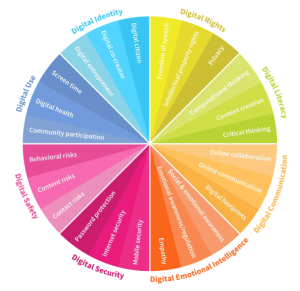
Figure 1: Retrieved from https://medium.com/world-economic-forum/8-digital-skills-we-must-teach-our-children-f37853d7221e
STEM programs for Children and Cooking Mixed
When I was reading Breeding (2019), I was reminded of the time I volunteered with an organization called Visions of Science, which provided hands-on STEM experiments for children from lower-income communities. Inspiring children’s interest in STEM is important because these fields continue to expand through innovation and new discoveries. However, there remains a lack of diversity among STEM professionals, partly due to socioeconomic barriers that limit access to educational opportunities. To help address this issue, STEM programs should be actively promoted to children from diverse backgrounds.
In addition, I think it would be both innovative and engaging to offer library programs that combine basic cooking skills with STEM concepts. Children and teens could learn science through cooking activities while also developing practical life skills. I was inspired by the Goffstown Public Library (2020) life skills cooking program, where teens learned to make pizza. These days many caregivers have demanding work schedules, a cooking program could help teens become more independent by giving them the skills and confidence to prepare their own meals.
While searching for websites related to cooking and STEM I found this helpful website which library staff may use as inspiration for programs:
https://www.science-on-stage.eu/food-cooking-and-stem
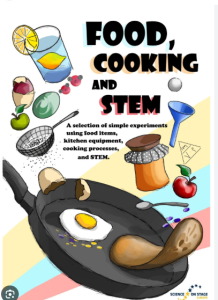
Figure 2: Retrieved from https://www.science-on-stage.eu/food-cooking-and-stem
Reference
Breeding, M. (2019, March 18). Public libraries are teaming up to prepare middle schoolers for 21st century careers and increase access to STEM learning opportunities. Library Technology Guides. https://librarytechnology.org/pr/24146
Goffstown Public Library. (2020, May 5). Life Skills: Cooking Basics for Teens ~ Pizza Episode [Video]. YouTube. https://www.youtube.com/watch?v=Xf6N_Be7kaI
Park, Y. (2016, June 14). 8 digital skills we must teach our children. Medium. https://medium.com/world-economic-forum/8-digital-skills-we-must-teach-our-children-f37853d7221e