The Power of Stories Blog Reflection: Building Empathy and Inclusion From Stories
One of my earliest memories of discovering diverse stories comes from reading my favorite childhood book series, Magic Tree House, by Mary Pope Osborne. In the series, two siblings, Annie and Jack, travel through time in their magical tree house, visiting different historical events and countries. For example, in one book they travel to the night the Titanic sank, while in another they traveled through the jungles of India in search of ancient ruins and tigers. As Stephens (2019) mentioned, libraries are places where stories from around the world are collected and catalogued for everyone to discover. It was from my school library and local public library where I discovered stories which opened my eyes and mind.
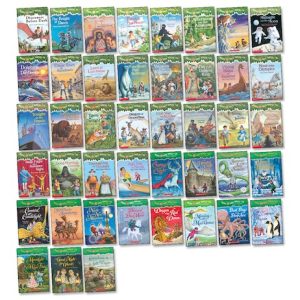
Figure 1: Magic Tree House book series by Mary Pope Osborne. Retrieved from: https://eu-shop.scholastic.co.uk/products/Magic-Tree-House-Mega-Pack-Mary-Pope-Osborne-9780545514019
I have always been drawn to stories about historical events, including World War Two, civil wars around the world, the medieval and Victorian eras, and ancient civilizations. Reading and listening to these stories throughout my childhood and teenage years helped shape my values and perspectives. They encouraged me to become more open-minded and empathetic by allowing me to see the world through the experiences of others. As an introverted person with social anxiety, immersing myself in books, podcasts, and YouTube videos brought the world to me without requiring me to step outside.
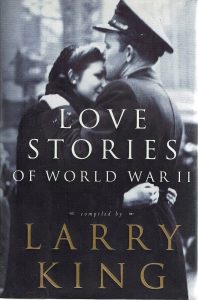
Figure 2: Love Stories of World War Two by Larry King. Retrieved from: https://www.marlowesbooks.com/Love-Stories-Of-World-War-II-King-Larry-Book-158287?srsltid=AfmBOoq4gS9jns0POKY11JtorW8IBDm-sD2zvO9scKtQZ4vga5ey01Fc
I found this book during a time when I was fascinated by stories about World War Two. It is a collection of love stories that tells us about the hardships faced by military personnel and their partners, as well as the tragedy and devastation caused by the conflict. The inclusion of photographs and letters deepened my emotional connection to the couples and made me feel empathetic towards their experiences.
Reading about human libraries in Arne-Skidmore’s (2021) article and their impact on diversity and inclusion reinforced for me the importance of offering these programs in public libraries. Listening to people with different lived experiences helps build understanding and empathy rather than spreading stereotypes and prejudice. I have had the opportunity to hear firsthand stories shared by Indigenous community members, Holocaust survivors, and individuals who have experienced incarceration through programs at my elementary school and university libraries. These programs taught me the power of storytelling to build meaningful connections across differences. For this reason, it is important for libraries to provide stories created by diverse authors and storytellers so that everyone can see their communities represented and make libraries an inclusive community hub.
References
Arne-Skidmore, E. (2021, April 8). New study on the impact of the Human Library. The Human Library Organization. https://humanlibrary.org/new-study-on-the-impact-of-the-human-library/
Stephens, M. (2019). Whole Hearted Librarianship: Finding Hope, Inspiration and Balance, p.92. ALA Editions.
One Comment
Rachel Leverenz
Hi Nimaliny – I am adding the Love Stories of World War II book to my reading list. This sounds like such an interesting read. Thank you for the recommendation! I just started reading A Woman of No Importance: The Untold Story of the American Spy Who Helped Win World War II by Sonia Purnell. So, this will be a great book to read next. Also, thanks for the walk down memory lane with the Magic Tree House reference! I loved those books as a kid. Like you said, they really help kids discover a love for stories. I read them too as a teenager in high school Spanish class. It was very effective to use familiar stories to learn a new language. Thanks for sharing!