The Power of Stories Reflection Blog: Storytelling Beyond the Library User
A recurring theme in this module was the question “What’s your story?” This question emphasizes the value of personal narratives and the role storytelling can play in building connections between people. Throughout the module, I was especially interested in examples of libraries creating opportunities for storytelling, particularly the Human Library, where people become “books” and share their lived experiences through conversations. In multicultural communities, initiatives like this can create opportunities to learn about different cultures, experiences, and perspectives while challenging assumptions and stereotypes (Wentz, 2013).
The Hamilton Public Library’s immigration stories project particularly resonated with me because of its focus on preserving community voices, including immigration stories (Hamilton Public Library, n.d.). These stories hold special meaning for me because my family and I also immigrated to Canada from a war-torn country. During our journey of adapting to a new country, the public library became an important place of learning, connection, and belonging. This reminded me that libraries are not only places where stories are found but also places where people’s own stories can be valued and preserved.
While I appreciated the importance of hearing the stories of library users, the reading that impacted me most was Stephens’ (2020) discussion of Narrative Inquiry (NI). Rather than relying on standard questions about opinions or preferences, NI encourages deeper conversations through open-ended questions such as, “What would make your life easier?” (Stephens, 2020). This approach made me reflect on a Trauma-Informed Practices training I attended at Toronto Public Library (TPL) earlier this year.
Before attending the training, I assumed it would mainly focus on supporting patrons experiencing mental health challenges or learning de-escalation techniques. Instead, the training created space for staff to reflect on our own experiences and share personal stories. Through small group discussions, facilitators used questions that encouraged staff to talk about experiences with workplace challenges, difficult interactions, and personal struggles. These conversations reflected the principles of NI by allowing staff voices and experiences to guide the learning process (Stephens, 2020). TPL introduced trauma-informed learning because libraries serve as public spaces where people from all backgrounds, including those who have experienced trauma, seek support, resources, and connection. The training reminded me that creating welcoming library spaces also requires understanding and caring for the people who provide those services.
Before this module, I thought of storytelling primarily as something libraries offered to their communities through programs, oral histories, and initiatives like the Human Library. Now, I see storytelling differently. It is also a way for libraries to learn from the people they serve and from the staff who make those services possible. Whether listening to an immigrant share their journey, a patron reflect on what the library means to them, or a colleague describe the challenges of serving the public, every story offers insight that statistics and surveys alone cannot provide.

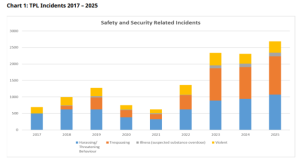
Source: https://tpl.ca/news/city-librarians-report-for-june-2026/
References
Hamilton Public Library. (n.d.). Immigration stories. Hamilton Stories. https://hamiltonstories.ca/immigration-stories
Stephens, M. (2020, April 9). Office hours: Narrative inquiry. Tame the Web. https://tametheweb.com/2020/04/09/office-hours-narrative-inquiry/
Wentz, E. (2013, April 26). The human library: Sharing the community with itself. Public Libraries Online. https://publiclibrariesonline.org/2013/04/human_librar/