You may also like

How Libraries Can Create Space for Healing and Hope Libraries as Safe Havens Working in various libraries across Los Angeles, has shown […]
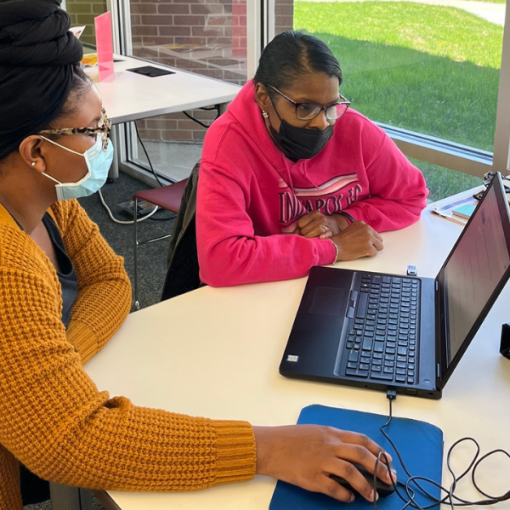
Learning Everywhere The way people learn today is mostly shaped by their smart devices and social media, where people learn through quick […]
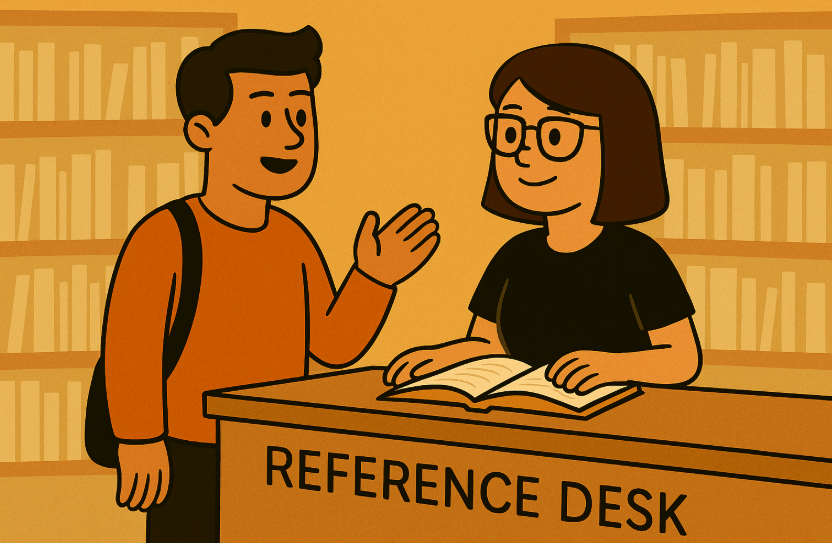
Redefining What It Means to Be a Librarian Libraries are changing, and honestly, I think it’s about time. For so long, people […]


My name is Patricia Beatriz Duarte, but I usually go by Bea. I’ve been working as a substitute Library Clerk for the […]
3 thoughts on “Inspiration Report: AI Chatbot in Public Libraries by Patricia Duarte”
Hi Patricia,
Incorporating AI Chatbots in all public library can be beneficial because patrons can ask service questions after the library is closed. I will admit that I have using the King Library’s AI Chatbot to help bring up articles related to my search query. Of course, it is not perfect, because there are times that I will have to use the live librarian chat to get further research advice. I do not expect the AI chatbot to be error-free because AI is still developing and it will be a long time until the AI search will be free of errors.
Thank you for reading my post! I agree that AI chatbots won’t ever be completely error free, and if they end up like those automated phone systems, I’m out. At the end of the day, after all the robot interactions, I just want to talk to a real person. I just know it will be great for the quick questions that don’t need a librarian, but when it comes to real research or guidance, nothing replaces that human touch.
Hi Patricia,
Incorporating chatbots into libraries can offer significant benefits to librarians, who are often short-staffed. I have been working for most of this semester to create a chatbot without AI for a library as part of my internship. At the end, I feel as if I could have plugged the FAQs I had also made into a possible AI chatbot, so there would be easier access for English-speaking audiences at the library. But, as you said, there comes the issue of how this benefits the non-bilingual audience who do not speak or read English. It is a complex issue that only seems to get more complex as AI chatbots require significant input to become more error-free and accessible to a broader audience, rather than simply talking to a person.
Thanks for the report,
Miguel