As a former Technology coach at an LAUSD middle school, I have experienced first-hand the post-Covid edtech boom. LAUSD ITI, under superintendent Alberto Carvalho, jumped in with lead feet investing in all the latest technology. After my first year as the technology coach, the school no longer had money to fund my position, so I formally moved into the library and proceeded to earn my MLIS degree. At the same time, I continued to be involved with our school’s technology plan. Three years later, with funding vanishing and increasing parental pressure over excessive screen time, we are now seeing the pendulum swing in the other direction as LAUSD reduces screen time and no longer offers 1:1 devices for students. As a former tech coach, this was rather disappointing, but as a librarian, it has brought me great joy to see this renewed interest in reading.
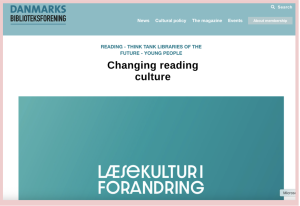
According to Tænketanken Fremtidens Biblioteker, regarding a new national reading initiative in Denmark, “The joy of reading and the reading culture among children and young people is under pressure, and it requires that they encounter literature in new ways. A special national effort is needed to bring the joy of reading back into the lives of children and young people and to foster collaboration between professionals, researchers, parents, and the most knowledgeable experts: The children themselves. Therefore, the goal of this national initiative is to create a strong reading culture in the everyday lives of children and young people” (2024).
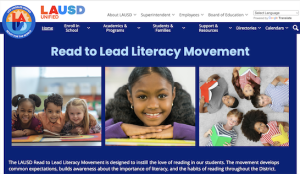
LAUSD has posted a new webpage called Read to Lead Literacy Movement. They state “The LAUSD Read to Lead Literacy Movement is designed to instill the love of reading in our students. The movement develops common expectations, builds awareness about the importance of literacy, and the habits of reading throughout the District. The movement includes suggested reading materials for families and a reading contest for elementary and secondary schools. Also as part of this effort, Los Angeles Unified is providing information and resources to destinations that expose and grant access to unique learning opportunities that extend far beyond the classroom. Below is information on some of these wonderful offerings and destinations for families.” This information is intended for families to access outside the classroom.
 Getting students to read in school is a different thing entirely. Our school is a Priority 3 school because our test scores are so low. The district requires teachers to use a literacy program with fidelity. Our particular program is composed of excerpts from stories, so students go an entire year without reading a novel. Unfortunately, it leaves no time for reading activities that build reading habits and vocabulary growth. No more Sustained Silent Reading, no more class visits to the library, and no more reading for pleasure. We want students’ reading test scores to improve, yet we don’t give them time to enjoy a good book.
According to Donaly Miller who teaches 6th grade language arts and social studies at Trinity Meadows Intermediate School in Keller, Texas, and author of the book Whisperer: Awakening the Inner Reader in Every Child, “Without spending increasingly longer periods of time reading, they won’t build endurance as readers, either. Students need time to read and time to be readers.” Without time to read in class, one of the biggest challenges we educators face is getting our students to read on their own for fun. We can blame it on technology, a shortened attention span, the pandemic, or simply lost learning. While there are the occasional students who come into the library weekly to check out new reading material, for the others, it feels like pulling teeth. Who can blame them? Even I struggle to find time to read for pleasure. So, now what do we do? How do we create a culture of readers? Well, first, we need to stop killing the love of reading.

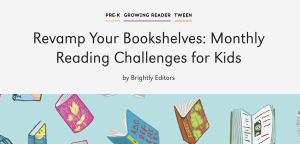
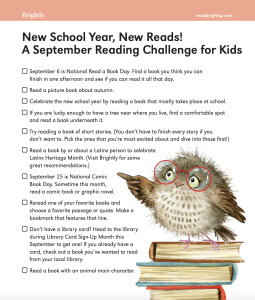
So how can we bring joy back to reading for these students? We have options. We can create fun reading challenges that help libraries connect with readers and help readers easily decide what to read next. Readbrightly.com offers reading challenges for kids for each month September through May.
Reading lists are a great way to engage students and help readers to decide what to read next. The booklists like the 2026 NoveList Reading Challenge offer ready-made prompts with curated book lists in NoveList Plus. March Madness School Reading Competition creates teams within a school to promote reading and excite kids about reading. The media specialists support students by coordinating book introductions. Teams then compete against each other to earn points for their team.
 .
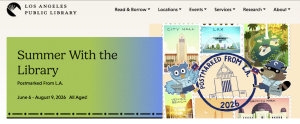
Once our students learn to enjoy reading throughout the school year, public libraries can continue to engage students by offering summer reading and creative opportunities. Building a community of readers is important for our students’ future and through engaging experiences, we can create a strong reading culture in the lives of children and young people.
The joy of getting lost in a good book is invaluable, and if we want to develop lifelong readers, we must give students the opportunity to read. Librarians, educators, families, and administrators must work together and allow students the time and resources in order to build a community of readers.
References
Gonzalez, J. (2018, September 20). How to stop killing the love of reading | cult of pedagogy. Cult of Pedagogy. https://www.cultofpedagogy.com/stop-killing-reading/
Læsekultur i forandring – Danmarks Biblioteksforening. (2026, June 10). Danmarks Biblioteksforening. https://db.dk/bladartikel/laesekultur-i-forandring/
Miller, D. (2009). The book whisperer: Awakening the inner reader in every child. John Wiley and Sons Ltd.
Read to lead. (2026). Lausd.Org. https://www.lausd.org/apps/pages/index.jsp?uREC_ID=4461107&type=d&pREC_ID=2728637&tota11y=true
Revamp your bookshelves: Monthly reading challenges for kids | brightly. (2020, September 18). Brightly. https://www.readbrightly.com/monthly-reading-challenges-for-kids/
Sabat, Y. (2026, June 3). Reading challenges help libraries engage readers. EBSCO Information Services, Inc. | about.Ebsco.Com. https://about.ebsco.com/blogs/novelist/reading-challenges-help-libraries-engage-readers
Smallwood, B. R. (2015, June 23). March madness school reading competition | programming librarian. Programminglibrarian.Org. https://programminglibrarian.org/programs/march-madness-school-reading-competition
Smith, B. G. (2016, August 4). Maker monsters | programming librarian. Programminglibrarian.Org. https://programminglibrarian.org/programs/maker-monsters
Summer reading strategies for school librarians – library learners. (2018, May 9). Library Learners. https://librarylearners.com/summer-reading-strategies-school-librarians/
Summer with the Library | Los Angeles Public Library. (2026). Lapl.Org. https://www.lapl.org/summer