The Power of Stories and Human Libraries
The Power of Stories and Human Libraries
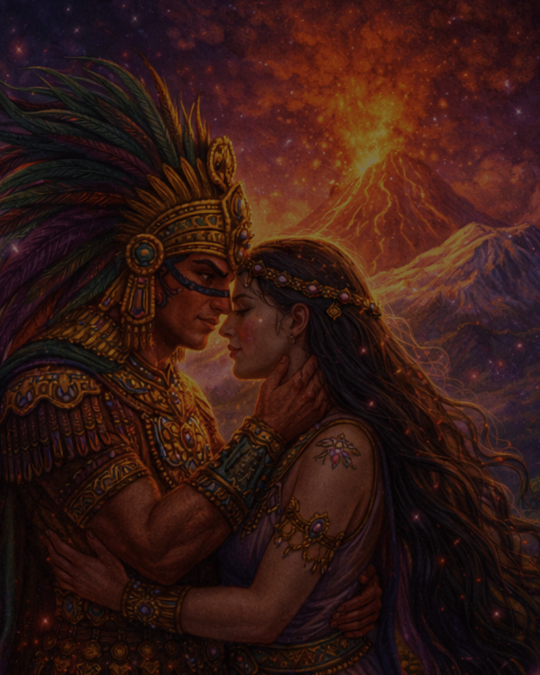
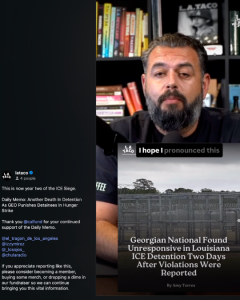
I am an avid movie and TV series watcher. I love watching Sci-Fi and Rom-Coms. However, I have been keenly aware for a long time now that I very rarely see myself represented in any of the movies or visual media available on most major streaming platforms and within my favorite moving media genres. What is available is often a feeble attempt at inclusion and representation. I am often left with few options when it comes to true representation on screen and a very obvious invisibility of my own race and culture in mainstream movies and media. In the news, my culture is also not always represented positively, and I have had to reach out to grassroots news organizations and trusted family and friends for true facts and events of recent policies and injustices affecting my community. I think that this invisibility and exclusion have caused many of the injustices that are happening in our nation today because the people that make up my community have been excluded and therefore dehumanized. This has made it easy for some to mistreat the many in these communities unjustly. I cannot help but reflect that it is because we have not been given the opportunity to be humanized positively in mainstream media. This is why accurate and respectful representation matters because it creates knowledge, understanding, and empathy. What is happening in our nation by violently apprehending, unaliving, and incarcerating undocumented and documented persons could have been avoided by respectfully humanizing each of these individuals through positive representation on screen, in print, and in the news.
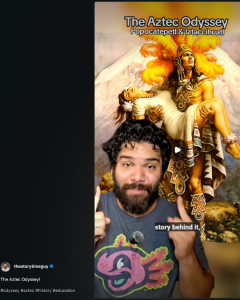
This is why the concept that resonated with me quite deeply in this module is the Human Libraries. It is a concept I was unfamiliar with in a library setting but altogether very familiar with within my own culture. There is a saying in indigenous cultures that “when an elder dies, a library burns” (Connor, 2018; Hampâté Bâ, 1960). Hampâté Bâ, a Malian scholar and oral historian, reminded us in his speech, The Living Tradition, that each person carries within them invaluable knowledge, stories, and experiences that are essential to be shared and preserved. By doing so, we create a living library for students to learn wisdom directly from respected community elders. Furthermore, the Human Library Impact Study found that when readers participated in a Human Library event, the impacts were significant in helping the readers begin to reflect on their own biases “and resulted in an increased sensitivity towards diversity (Skidmore, 2021). I also see the concept of Human Libraries as essential in reclaiming indigenous stories that have been lost through colonization so that the survivors of colonization can reclaim their identities and ancestral heritage through stories.
How can Human Libraries be incorporated in an elementary and middle school setting? Dr. Stephens writes about a 90-minute workshop he attended presented by Jason Evans Groth, Digital Media Librarian at NCSU Libraries. Dr. Stephens explains that the session was aimed at better understanding community needs through narrative inquiry and adapting story-based programming and services to accommodate children with neurodiverse abilities. Dr. Stephens states that Evans Groth explained that with our smartphones and tablets, we can create a temporary recording studio. With tablets and smartphones, librarians can record patrons’ personal stories that can be catalogued and checked out by patrons. Dr. Stephens delivers a powerful message in his writing in which he states his most important takeaway from this workshop:
“Story-based experiences of all kinds can increase listeners’ understanding of diverse groups, demonstrate the value of everyone’s experience, and remind listeners of their shared humanity” (Stephens, n.d.).
Through the use of smartphones, Chromebooks, and tablets, I plan to create Human Library opportunities through Narrative Inquiries appropriate for children of Elementary and Middle school ages. Through their own words, students can begin to build knowledge and empathy within their school community that will hopefully humanize their experiences among their peers and help create a more inclusive human experience for young students. One way I plan to use Narrative Inquiry to build a Human Library is by reading the book Yefferson, Actually by authors Trejo and Martin-Row and asking students how they have felt when people have said their name incorrectly. Students will be allowed to record a video or their voice with parent permission, or to write about their experiences. These stories will be recorded and saved via Google Slides or Canva Presentations and accessible to other students in each participating classroom. The immeasurable possibilities for creating Human Library opportunities for school-aged children are promising.
This video records students’ personal stories regarding the importance of their name (Washoe County School District, 2016, June 28).
I truly hope that through projects like the Human Library, librarians and libraries can continue to change the world. By bringing people together to share their stories and listen to one another, we can build empathy, break down stereotypes, and create stronger communities. I believe these meaningful conversations have the power to change and save lives as we work toward creating a more compassionate, understanding, and human-centered world.
References
Conner, K. (2018, May 22). American Indian elders: Living libraries. Harvey A Friedman Center for Aging. Washington University in St. Louis. https://sites.wustl.edu/centerforaging/american-indian-elders-living-libraries/?utm_source=chatgpt.com
Hampâté Bâ, A. (1960). The living tradition. Address delivered at the General Conference of UNESCO, Paris, France.
L.A. TACO [@lataco]. (2026, June 8). This is now year two of the ICE siege. Daily memo: Another death in detention as GEO punishes detainees in hunger strike. https://www.instagram.com/reel/DZWd75FhWmQ/
Stephens, M. (n.d.). Office hours: With a little twist & Power of the pod. INFO 287 – The Hyperlinked Library Emerging Trends, Emerging Tech. San Jose State University. https://287.hyperlib.sjsu.edu/office-hours-with-a-little-twist/
Stephens, M. (2019). Wholehearted librarianship: Finding hope, inspiration, and balance. ALA Editions.
Stephens, M. (2025). Hyperlinked Library Master Lectures 2025: Hyperlinked Library Power of Stories. [Class Lecture]. Panopto, San Jose State University, https://sjsu-ischool.hosted.panopto.com/Panopto/Pages/Viewer.aspx?id=25a905bc-6739-4f68-afea-af10013f32fb
Trejo, K. & Martin-Row, S. (2021). Yefferson, actually / En realidad, es Yefferson. Lil’Libros.
Washoe County School District (2016, June, 28). My name, my identity WCSD [Video]. YouTube. https://youtu.be/Dsnaytwk2ug?si=sPECKiysIXmMch__


4 Comments
Laura Skorczeski
@chicanasteamlibrarian, thank you for sharing part of your story here. I hope someday we live in a world where everyone’s stories are represented and everyone’s humanity is fully recognized and honored. I also loved the idea of Human Libraries, which I was also unfamiliar with in a library setting. I appreciate you pointing out that this is a tradition that many Indigenous cultures have always participated in—it seems that storytelling is yet another way that many of us could learn from Indigenous traditions to create healthier relationships in our world (I’m also thinking here about environmental relationships, but that would be another blog post, or class…).
Maria Ramos-Yoo
Laura, I agree with you that conversations about environment and storytelling need to be a focus. There is the tradition of storytelling in indigenous cultures and they are considered sacred as they would memorize ancient stories and retell them word for word. Before retelling them they have to prove to their elders that they remember the story exactly as it was told to them. It is an honored title within indigenous tribes. I do hope to someday live in a world where we can all be represented and feel seen and included. Thank you, Laura.
Ruby Zhu
@chicanasteamlibrarian Thanks for sharing this reflection post! It was a great read, and the quote you wrote about indigenous cultures’ storytelling traditions really stood out to me. As a woman of color, I resonate with your feelings about minorities not being well represented in mainstream media, and I often find myself consuming TV dramas or movies from my motherland. I think human libraries need to be implemented in all public libraries to bridge connections between community members and show that libraries are representative of all cultures. I can definitely see my local public library benefiting from a project like this, and I would love to see community patrons come together and share their stories.
Maria Ramos-Yoo
Ruby, I agree with you and I often also try and find myself represented in alternative media not from the US. It is a real challenge as even when I do look for other content, it doesn’t always speak to me as much as something focusing on the American experience of people belonging to my culture and race. Sadly, when content does get made, it doesn’t last long or gets cancelled after only one season. This invisibility is one of the reasons why our nation is in such turmoil as it has dehumanized by exclusion and an almost forced invisibility. I was having this same conversation with my 22 year old son. He was complaining that there is truly no representation and how Marvel movies are not inclusive. I told him that at this point, we needed to create the content since it doesn’t exist. It makes me sad especially when Latinos are one of the largest minorities in the US that we still have to fight for being included and represented. I hope that my children and their grandchildren will have more representation, equity, and inclusion in mainstream media in the future. Thank you for your reply.