Livestreaming the Library slides
@robw

Most users don’t care about sources much of the time; they reach for whatever is at hand. Like Google, Wikipedia, friends and family, maybe a chatbot. Librarians care about the source a lot. We want to show why the source matters and provide access to those sources which provide the best, most relevant information. Users care more about the topic though, the information, the surprise, the finding out.
That’s why I was surprised to learn that first-year students at OSU working on their first research paper often skipped selecting a topic entirely (Deltering & Rempel, 2017). Instead, they chose a topic they already knew well. The decision is a strategic one: with their grade on the line and limited time, the risk in choosing the wrong topic is high. Between their perceived capacity and existing cognitive model of the subject, they choose the topic which minimizes research anxiety, but wind up with a topic for which their curiosity is actually lower.
This aligns with findings that 84% of students say getting started is the hardest part of research (PIL, n.d.). The easiest search is the one you already know how to do, but this reduces their motivation to explore new search strategies, thwarting efforts at information literacy instruction.
The challenge then is to create an environment in which users feel safe enough to explore a topic they are curious about but know very little. What is needed is a way to browse a wider range of high interest topics but with low stakes. The topics must be grounded in existing scholarly discourse so students have something to find. For this, OSU used press releases and news stories from sites like ScienceDaily. They also emphasized framing the exercise as exploring a topic over finding sources per se (Deltering & Rempel, 2017).
This helps students get a sense of what the literature might contain before they formulate a query. This is the paradox of search: you need to know what the index contains and how it is structured before you can effectively query it. Like many complex tasks, you learn along the way what you needed to know at the beginning.

There is a parallel in Matthews essay (2017) on how the organizational structure of academic libraries affects their ability to respond to change. The core argument is that libraries miss important opportunities because they are run too much like factories. If staff had more autonomy and fewer silos, they could better adapt and seize these opportunities.
Though it is hard to quantify, the opportunity cost is potentially quite large. The sense is that new tech-enabled modes of collaboration are such powerful multipliers that a nascent, globally distributed, cross-functional team is out there just waiting to invent the iPod or Taurus sedan of library services. (Are they hiring?)
The problem is the design space is simply enormous. In other words, academic libraries have a similar problem as students doing research; we don’t know what we don’t know, we don’t know which processes are repeatable. The best we can do is experimentation. Perhaps the solution here is similar: a way to explore a wider range of topics but with lower stakes, like allowing staff the (company) time to experiment. This way they can take risks, like first-year students, with less anxiety. Both would benefit from better ways to reward this exploratory research.
Deitering, A. & Rempel, H. G. (2017, February 27). Sparking curiosity: Librarians’ role in encouraging exploration. In the Library with the Lead Pipe…. https://www.inthelibrarywiththeleadpipe.org/2017/sparking-curiosity/
Mathews, B. (2017). Cultivating complexity: How I stopped driving the innovation train and started planting seeds in the community garden. http://hdl.handle.net/10919/78886
Project Information Literacy (PIL) (n.d.), A National Study About College Students Research Habits [Infographic], Project Information Literacy Research Institute, https://projectinfolit.org/publications/retrospective#infographics
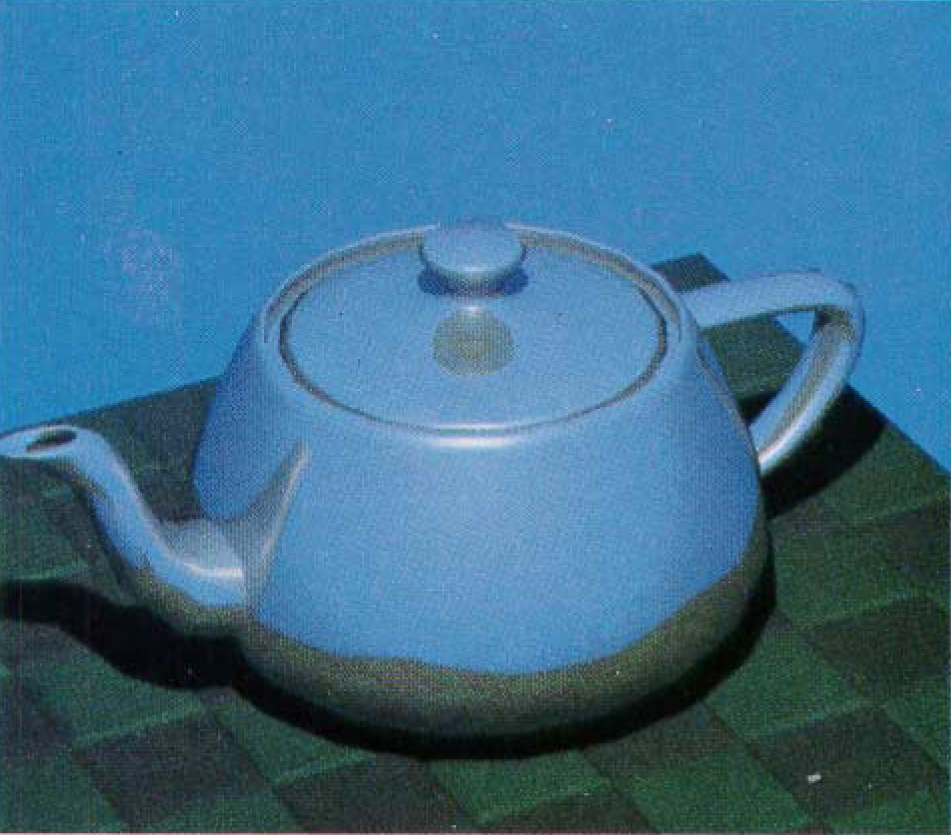
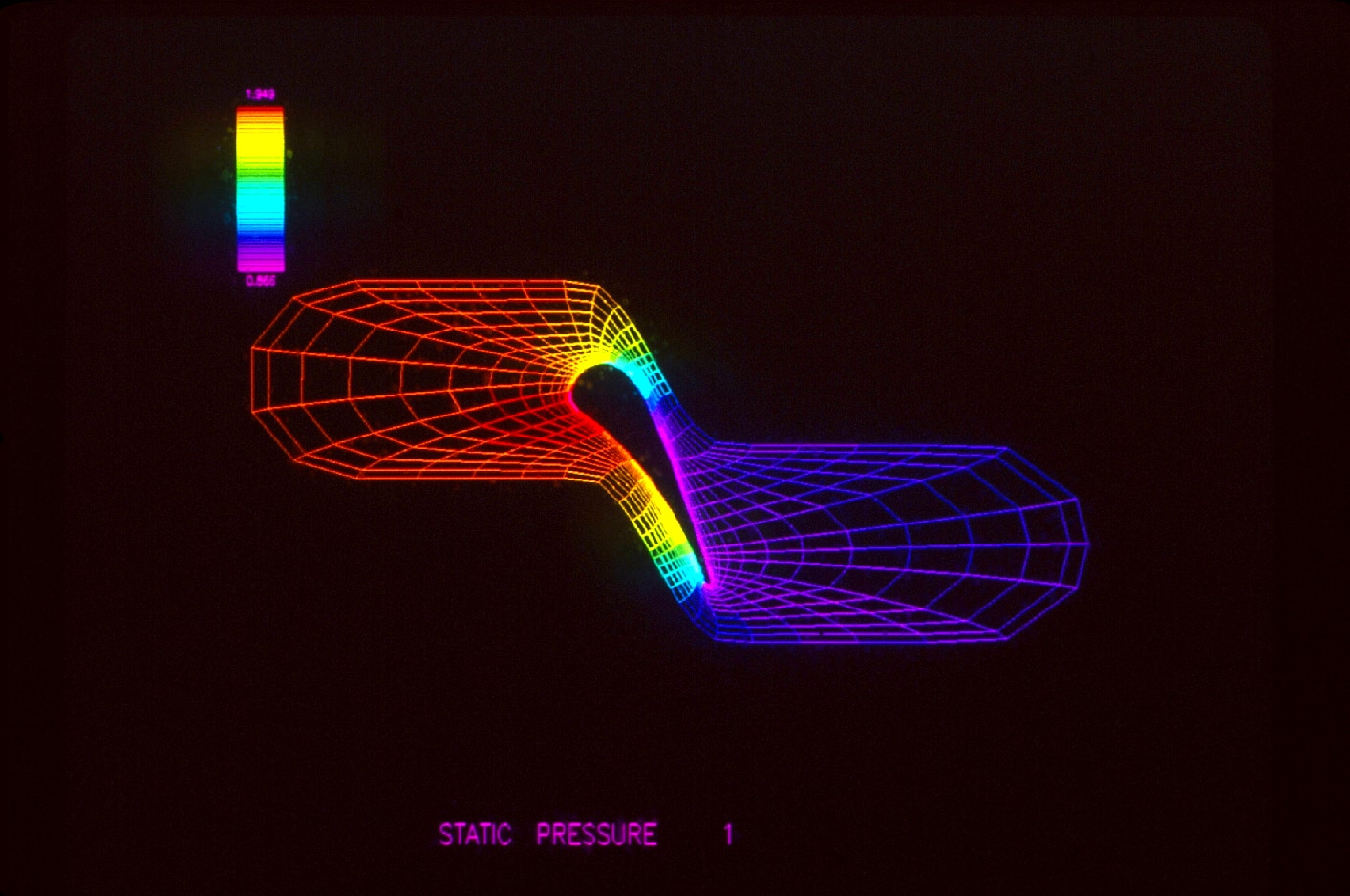
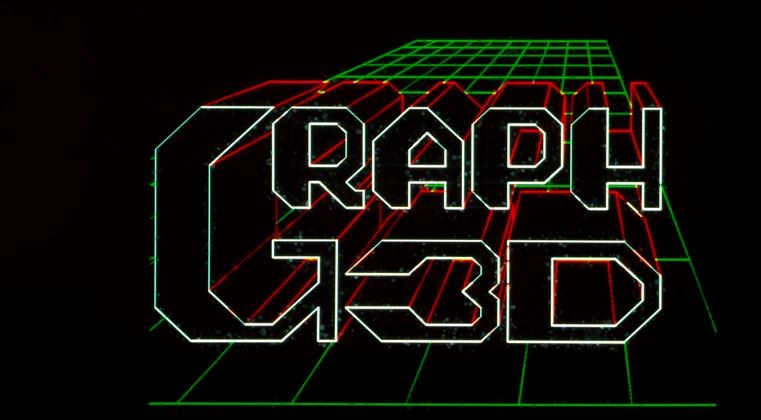
NASA. 1980s Visualization [image].
NASA. GRAPH3D [image].
Koppitch, A., & Schilling, H. W. (2025, July 23). GVIS lab at NASA Glenn research center history. NASA. https://www.nasa.gov/centers-and-facilities/glenn/gvis-history-glenn/

I struggled at first with how the ideas from these readings related to one another until I realized that communities are mesoscopic. Their unit of abstraction is somewhere in the middle. I think I’m more comfortable at the micro or macroscopic, like a mental model and user interface or else big ideas like information, humanity, or economy.
Everything in the middle is a bit messier, maybe because there isn’t a limit of abstraction to hem it in. It requires both analysis and synthesis. Communities overlap in physical and virtual space; they are continuously changing over time; and people are members of multiple communities simultaneously.
How the library operates at this scale is less immediately clear. Individual user experience (UX) can be assessed and improved, but what does it mean to design for community experience (CX)? Does it make sense to talk in these terms? I think it does, and the readings reinforced that, even if people interact with the library as individuals with unique needs and interests.
Design begins and ends with users and outcomes. This topic nudged me to think about how libraries might address communities’ needs just as we do at user-scale. The first takeaway for me was about community research and outreach. How do we find out more about the communities that use the library most and keep them? How do we reach new constituencies we underserve? And as learn more, how do we foster new forms of community in physical and virtual library spaces?
The answer to these questions are projects like salon-style community conversation, online story-telling platforms, or even just a simple community bulletin board which happens to be mobile (Dixon, 2017). I also appreciated the idea of turning over programming to community groups, if you can get the grant funds to pay them, that is (Smith, 2017). I felt that Ciara Eastell correctly identified austerity as the problem here. This is what lurks behind the constant need to “do more with less.”

No one service or system will meet the needs of every individual. We need to develop an economic model for the allocation of resources for the various modes of user engagement based on the specific user groups’ needs and expectations (Connaway, p. 204).
This was the other big question for me. How do we draft budgets, those mesoscopic counterparts, to allocate resources for the communities we serve? Pewhairangi framed this as focusing on those patrons who generate the most value for the library. But this is backwards, is it not? Generally, we talk about how libraries produce value for communities, not the other way around. This is market logic as applied to libraries, i.e., focus on your core niche of high-value customers. I admit I chafed at this a little. The term “customer intimacy” has a decidedly negative connotation in an era of surveillance capitalism.
But I get the logic. Focus on those who generate most of the usage. Let’s set aside the thorny question of how to quantify this, e.g., how many circulations equal an event attendance or a reference transaction. My concern was it runs headlong into patron privacy. This was articulated by danah boyd (one of my favorites): “Sometimes, it’s not the data that’s disturbing, but how it’s used and by whom” (2016).
People trust the library. Our credibility depends on being responsible stewards of patron and community data. Useful though it is, users must be well informed about the nature of that data collection (particularly if they are already highly surveilled) and accountability must be built in, as boyd suggests.
boyd, d. (2016). What world are we building? Points. Data & Society Research Institute. https://medium.com/datasociety-points/what-world-are-we-building-9978495dd9ad
Connaway, L. S. (2015). Meeting the expectations of the community: The engagement-centered library. The Library in the Life of the User: Engaging with People Where They Live and Learn. OCLC. https://www.oclc.org/research/publications/2015/oclcresearch-library-in-life-of-user.html
Dixon, J. A. (2017, October 17). Convening community conversations. Library Journal.
Eastell, C. (2019). How libraries change lives. YouTube. https://www.youtube.com/watch?v=Tvt-lHZBUwU
Pewhairangi, S. (2014, May). A beautiful obsession. Weve. Heroes Mingle. https://heroesmingle.wordpress.com
Em, D. (2025). David Em Film Sketches (1975-1983). YouTube. https://www.youtube.com/watch?v=w2kjhMqlZfU
Participatory service is an essential part of the hyperlinked library. With new possibilities for engaging with library users, we can better include them in both the development of new services and in the structure of the services themselves. That is, participatory service can be understood in two ways: (1) users participate in the design process and (2) the services themselves are designed to be participatory. (In principle, it is possible to have one without the other, but designing services to be participatory without somehow involving users seems ill-fated.)
Examples of soliciting user feedback abound: advisory groups, suggestions boxes, patron surveys, asking on social media, informal feedback during service interactions. These are rich sources of information about user needs and the kinds of services they might use. We can also bring users in as stakeholders to the service creation process through participatory design. The difficulty here is users do not always know what they want. “We can’t solve the mystery of the future of libraries by asking users what they want: they simply don’t know!” (Denning, 2015).
It is, of course, not their job to know; it’s ours. The common design adage is that users are poor designers but excellent refiners. Naively asking users to design new services is often inadequate given the complexity of the problem we are trying to solve. Their input is probably more helpful when reviewing an existing service or a new proposal. Inviting them to participate in the design process however is still enormously helpful! It provides insight into their holistic needs and mental models. Our challenge is to meet the needs which they, and we, have not thought of yet.
(Of course, sometimes we can just implement user suggestions. If they ask for an extra stapler near the printer, just put another stapler there.)
Participatory service is more than user input, however. The second sense is in the design of the services themselves. Information flows many ways now, and patrons want to tell their own stories. So, at DOK Delft, patrons can add, tag, and describe their own photos on a touchscreen table (Boekesteijn, 2011). Another example is patron-driven acquisition. “Letting the public have a role in ordering materials is one way to open a library’s collection to its readers” (Kenney, 2014). The US National Archives provides web users the opportunity to participate in collection processing by transcribing historical records and manuscripts (2025). In each of these cases, user participation is at the core of the design.
Beyond these two meanings of participatory library services, Michael Casey (2011) suggests a possible third. Quoting Tim O’Reilly:
“How do we get beyond the idea that participation means ‘public input’…and over to the idea that it means government building frameworks that enable people to build new services of their own?”
This understanding of participatory service might be expressed yet another way: (3) users can design services for themselves and one another.
This adds another level of abstraction. We can solicit user input on our participatory services, but we can also build platforms for users to create their own applications. Customizing and personalizing user interfaces is one example. Another is providing and documenting application programming interfaces (APIs) for digital collections and catalogs. This would require their knowing how to code however, excluding many users. We might imagine interfaces where users could mash-up library collections with other data sources. There was a trend during the mid-2000s for just this kind of application, e.g., Yahoo Pipes.
Note, however, that the complexity of the design challenge grows. This is not like making a web form or a multiplayer game; this is more like creating a game engine for users to make their own games.
I made a video game once. It was the hardest thing I’d ever done. I thought then that game design was the ultimate design challenge. I’m not sure now that libraries don’t actually hold this title. The prospect is daunting: designing the basic building blocks for users to create their own participatory information experiences. Nonetheless, this third kind of participatory service may help us fully realize the hyperlinked library as we move from user input to user participation and finally to user empowerment.
References
Boekesteijn, E. (2011). DOK Delft takes user generated content to the next level. Tame the Web. http://tametheweb.com/2011/02/15/dok-delft-takes-user-generated-content-to-the-next-level-a-ttw-guest-post-by-erik-boekesteijn/
Casey, M. (2011). Revisiting participatory service in trying times. Tame the Web. http://tametheweb.com/2011/10/20/revisiting-participatory-service-in-trying-times-a-ttw-guest-post-by-michael-casey/
Denning, S. (2015, April 28). Do we need libraries? Forbes. http://www.forbes.com/sites/stevedenning/2015/04/28/do-we-need-libraries/
Kenney, B. (2014). The user is (still) not broken. Publishers Weekly. http://www.publishersweekly.com/pw/by-topic/industry-news/libraries/article/60780-the-user-is-still-not-broken.html
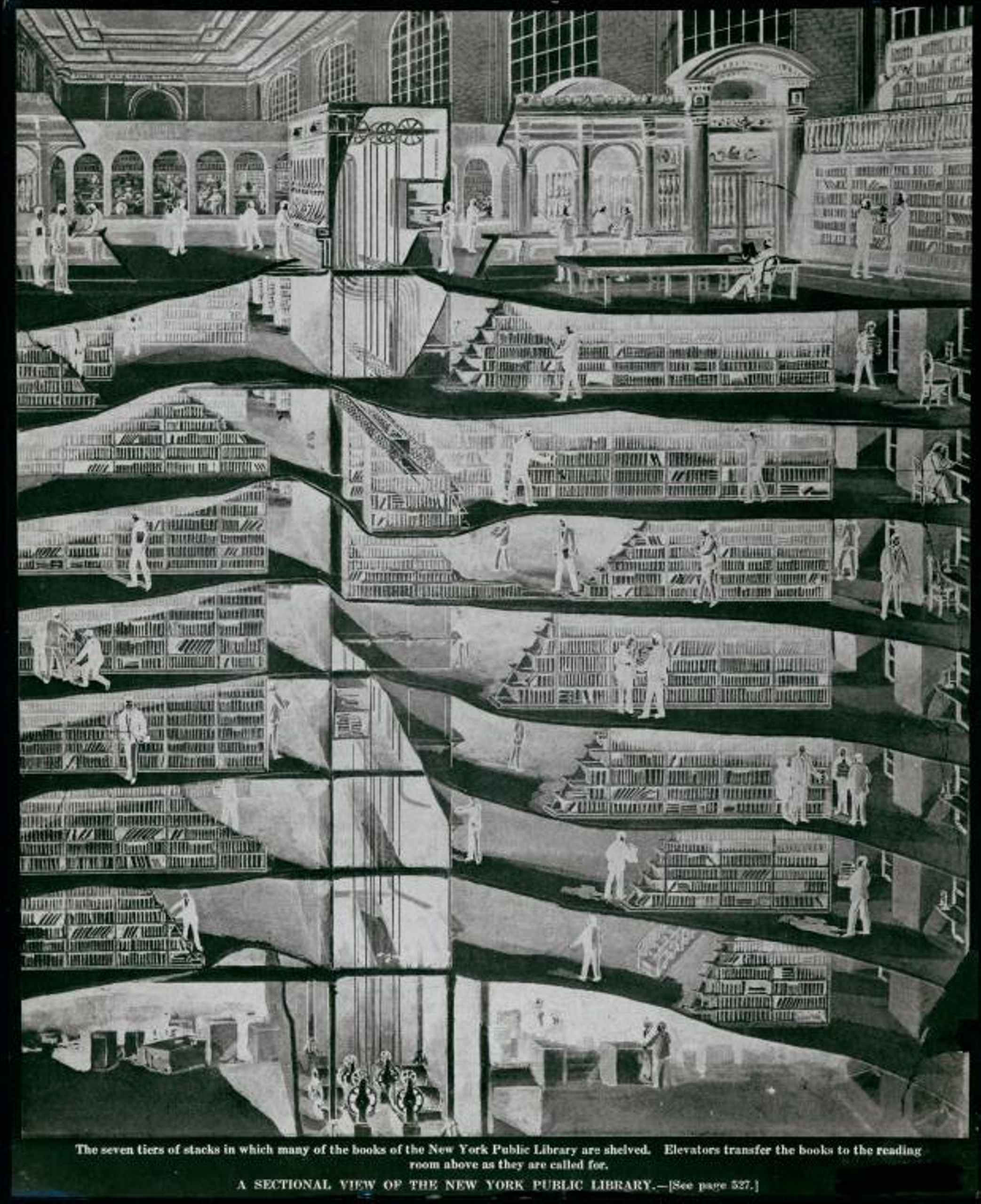
Manuscripts and Archives Division, The New York Public Library. (1897 – 1911). Sectional view of the seven tiers of stacks. https://digitalcollections.nypl.org/items/26bfa330-c5b6-012f-4b03-58d385a7bc34
National Archives. (2025, September 22). Citizen archivist missions. https://www.archives.gov/citizen-archivist/missions
Despite the mounting evidence to the contrary, I still believe information networks can amplify the best in us. As part of my MLIS, I wanted to do a deeper dive into how new technologies are being used in libraries but also imagine how they could be applied in innovative ways while still protecting patrons and staff.
My professional work so far has been in library technology and user experience design. My feeling is libraries are often underserved by vendors, and I would like to help contribute to free and open-source solutions by and for libraries. My hope is this could scale to make libraries and GLAM institutions more resilient to the divergent motives of private equity.
My research interests in LIS are broad, but I’m particularly interested in the process of scientific scholarly communication. Last term, I wrote an evaluation of the arXiv.org pre-print server, which predates the Web. There was a brief time, in those heady years of the early Internet, when you could access arXiv via gopher. They were originally only going to keep articles for 3 months. Now there are 2.8 million. The mind reels.
Recently, I’ve gravitated towards the interoperability of digital repositories and metadata. I’m interested in how this shakes out in the real-world for things like identifier schemes and harvesting protocols, and also the sociotechnical challenges that come with standardization.
I dream of a test bed of representative systems with which to perform ongoing interoperability and standards conformance testing for protocols like OAI-PMH. (Well, golly, that is one of the nerdiest sentences I’ve ever written. Welcome to the blog!)