
My personal journey as a library professional has been steeped in infinite learning through informal engagement but also frequent professional learning experiences (PLEs). I realized quite early on that I would have to be a sponge and allow myself to be open to all potential learning opportunities if I were to be a facilitator of the best possible experiences for my patrons. Every single day has been a chance to learn from my colleagues and patrons alike. As library professionals we are not merely serving as liaisons to information, but builders of a structure of interconnectedness that invites everyone to learn and collaborate (Stephens, 2016).
“Presence in the library exemplifies the pursuit of lifelong learning” (Mutia et al., 2024, p. 3).
A quantitative study performed at Peking University found that their library and information science (LIS) students were more likely than non-LIS students to engage in conversation about academic topics and research either online or in person, but less likely than non-LIS to utilize digital services from their library (Lau et al., 2020). I believe this reflects an understanding that libraries are communities where learning often occurs in nontraditional methods, such as through creativity and storytelling, and that future librarians are living embodiments of this practice. While LIS students at Peking University might be less likely to use the library in a traditional sense, they are seeking and creating their own communities for learning opportunities, and this practice will undoubtedly continue as they work in libraries (Lau et al., 2020; Stephens, 2016).
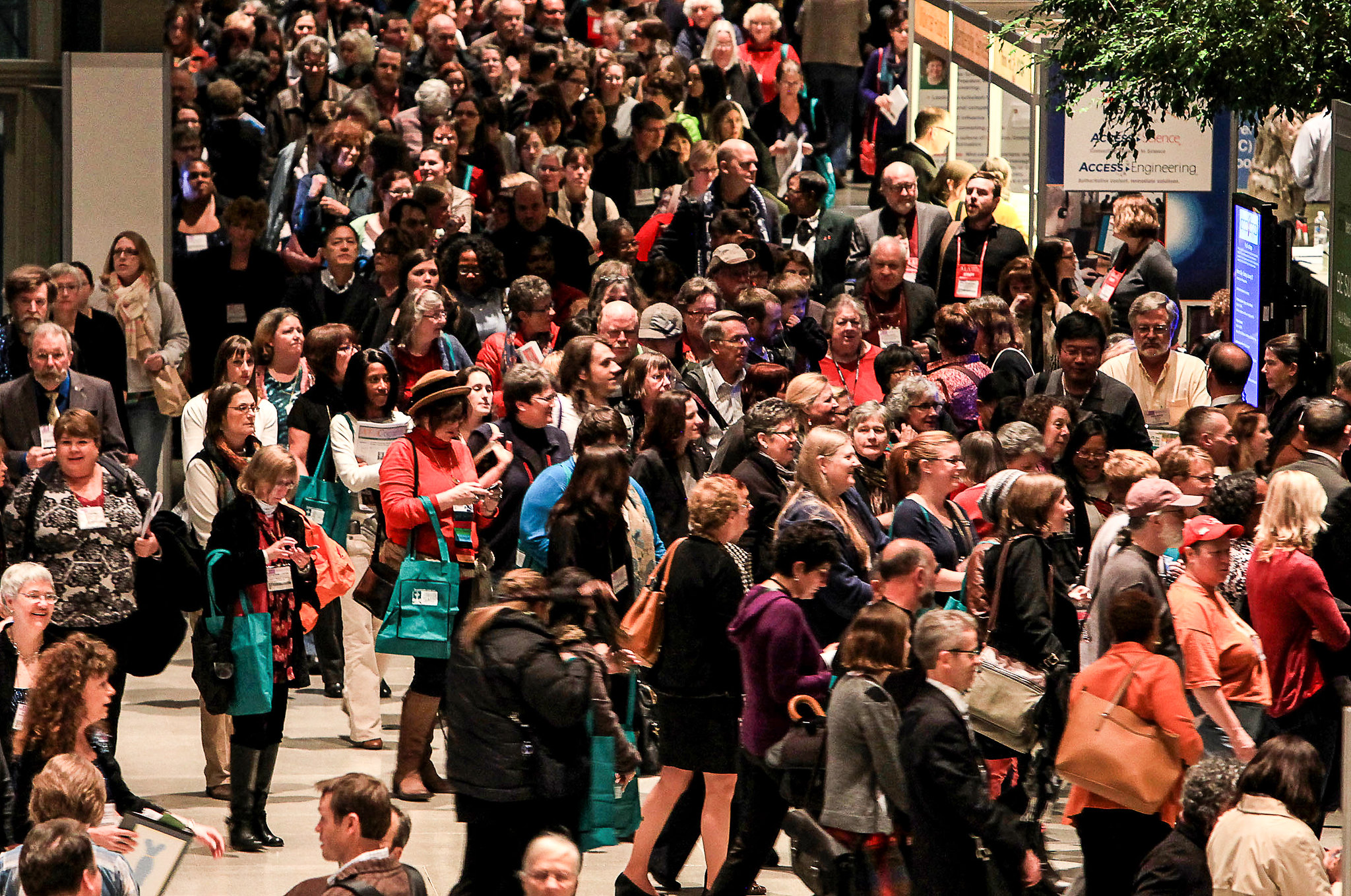
The Future of Infinite Learning Tools
AI is considered “disruptive technology” by some for its environmental impacts and challenges to human rights, amongst many other controversies (Liebig et al., 2024). Regardless of my personal stance on AI, it has undeniably become a ubiquitous aspect of modern life. The EDUCAUSE Teaching & Learning Horizon Report proposes that educators “lean into curiosity” and pursue PLEs related to AI (Robert et al., 2025). Taking an all-or-nothing approach to this unavoidable technology can be detrimental, and handling it from a middle-grounded mindset enables us as library professionals to be knowledgeable about the tool for the sake of our own professional development and assisting in the information needs of our patrons.
“Librarianship means ‘being challenged to continually try something new and different and to be open to learning at all times’” (Stephens et al., 2022).
167 surveyed librarians in Malaysia and Indonesia view AI as a positive tool to support lifelong learning (Mutia et al., 2024). From a contrary report, academic librarians in Norway provided a more neutral and critical stance on AI tools that acknowledged controversies but also the inevitability of the technology (Bøyum & Khosrowjerdi, 2025). I believe that AI will continue to transform the learning landscape, and that the curious approach suggested by EDUCAUSE can provide transformative experiences for library professionals in all settings.
Recommended Reading:
- The Strategic, curious & skeptical learner: Australian public librarians and professional learning experiences is essential reading when exploring the topic of PLEs and libraries. There are no similarly comprehensive peer-reviewed articles in recent years.
- EDUCAUSE Teaching & Learning Horizon Report for academic library staff
References
The American Library Association. (2013, January 26). American Library Association Midwinter meeting and exhibits [Image]. Flickr. https://www.flickr.com/photos/ala_members/8417970228/
Bøyum, I., & Khosrowjerdi, M. (2025). ‘It’s such a blackbox function’: Norwegian academic librarians’ ambivalent perceptions towards AI use in academic libraries and academia. Information Research, 30(CoLIS), 91–104. https://doi.org/10.47989/ir30CoLIS52285
Lau, K. S. N., Lo, P., Chiu, D. K. W., Ho, K. K. W., Jiang, T., Zhou, Q., Percy, P., & Allard, B. (2020). Library and learning experiences turned mobile: A comparative study between LIS and non-LIS students. The Journal of Academic Librarianship, 46(2), Article 102103. https://doi.org/10.1016/j.acalib.2019.102103
Liebig, L., Jobin, A., Güttel, L., & Katzenbach, C. (2024). Situating AI policy: Controversies covered and the normalisation of AI. Big Data & Society, 11(4). https://doi.org/10.1177/20539517241299725
Mutia, F., Masrek, M. N., Baharuddin, M. F., Shuhidan, S. M., Soesantari, T., Yuwinanto, H. P., & Atmi, R. T. (2024). An exploratory comparative analysis of librarians’ views on AI support for learning experiences, lifelong learning, and digital literacy in Malaysia and Indonesia. Publications (Basel), 12(3), 21. https://doi.org/10.3390/publications12030021
Robert, J., Muscanell, N., McCormack, M., Pelletier, K., Arnold, K., Arbino, N., Young, K., & Reeves, J. (2025, May 12). 2025 EDUCAUSE Horizon Report teaching and learning edition. https://library.educause.edu/resources/2025/5/2025-educause-horizon-report-teaching-and-learning-edition
Stephens, M. (2016). Infinite learning. In The heart of librarianship: Attentive, positive, and purposeful change (pp. 119–140). ALA Editions, an imprint of the American Library Association.
Stephens, M., Partridge, H., Davis, K., & Snyder, M. (2022). The Strategic, curious & skeptical learner: Australian public librarians and professional learning experiences. Public Library Quarterly (New York, N.Y.), 41(3), 257–272. https://doi.org/10.1080/01616846.2021.1893114