Reflection: The Power of Stories
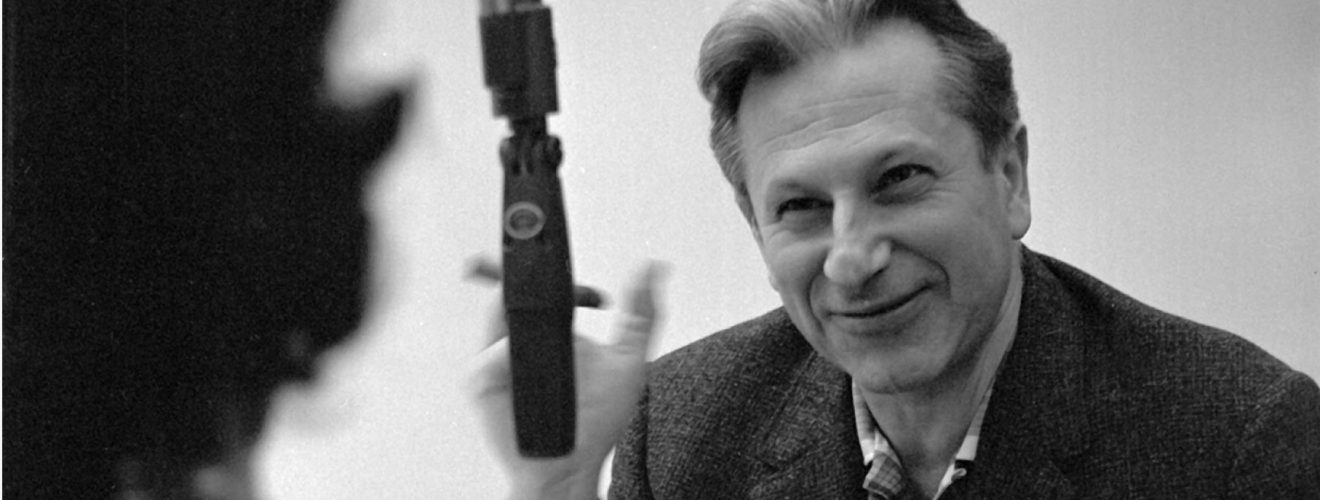
This module is on the power of stories and I have found my people… I think the emphasis on this is well founded and important, and I am excited to be reflecting on it. I grew up listening… audio cassettes, Broadway musical full cast albums, War of the Worlds, etc. So I was lucky to have had a childhood strengthening my imaginative power and empathy. Studs Terkel was a part of my cultural landscape and his oral histories were great reflections on everyday life in that era. Today with the advent of so much media technology – see Professor Stephen’s account of his conference adventure and how easy it is to make quality recording with the phones in our pocket (let’s not consider the surveillance aspect) that projects like StoryCorps are possible.
I recently learned of Citzen Racecar – they have an after-school podcasting program they take into high schools, though they are a commercial company.
With the advent of RSS feeds and the Apple iPod the world of audio drama and narrative podcasting was born – and now with the smartphone looking at its 20th anniversary soon, we all have podcasts in our pocket. I spend my daily exercise time, drive time, and chore time with narrative storytelling. Cultural discussions, current events, hobby discussions, and even librarian / LIS focused podcasts are all available and a part of almost every day.
Story Telling has two aspects – the telling – the expression of one’s self – the opportunity to be heard, the speaking of one’s truth – this act is incredibly important and in the best cases inculcated in us by our upbringing – we are modeled and taught that its good for you and others to speak their truth. The Human Reading Garden referenced in the COurse Module page should be the norm of all our experience with each other’s stories. Narrative Therapy is a well-established therapeutic method and helpful to many. The deep connection to our sense of self is found in the stories we tell about ourselves. The garden allows us to hear others, and narrative therapy encourages us to tell better stories about ourselves.
That brings up the second half – listening…
Recovery groups, especially those in the 12 Step tradition are structured in their fellowship through the lens of telling / sharing stories and valuing them through their use in service to others – that one’s “experience, strength, and hope” can help others rise through adversity. Certainly, the cathartic function is recognized, but one of the secrets to the success of these programs is the emphasis on helping others, of reflecting a story through a prism of fellow feeling and experienced in the service to others. And while all media representations of 12 step meetings show people “sharing” and “confessing”, no movie or episode captures the 95% of the time spent listening to the experience, strength, and hope of others.
The most interesting thing about this topic, to me, right now, at least, is the connection between the feelings I have when listening to and connecting to another’s story and the actions we can take in the world to make things better. Certainly, listening and respecting others is a profound act of good in the world.
So important 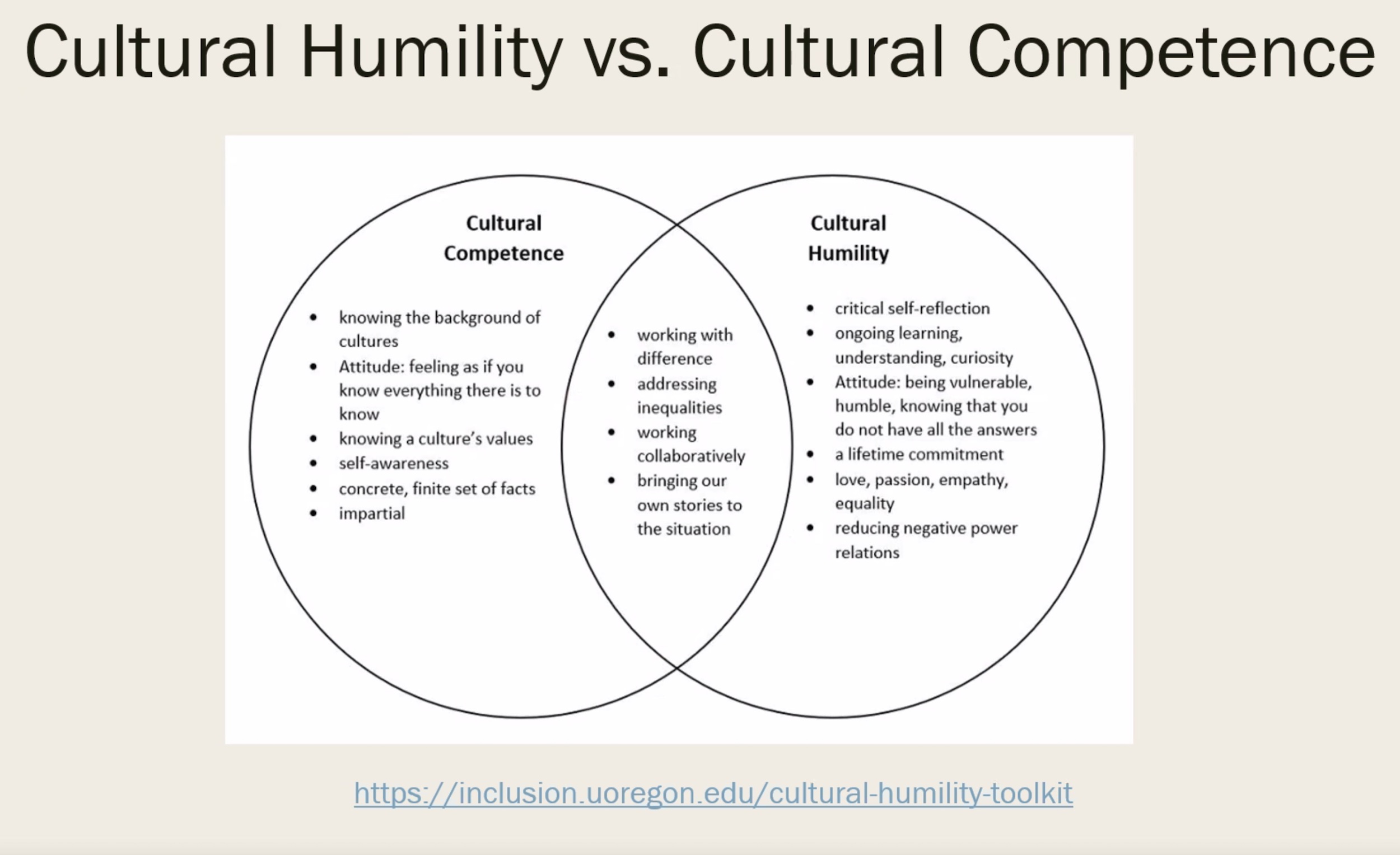
For more on listening in the library.
My MLIS Story in Emojis
🎓+📀=🎮,⌚️+📉=😩,😔+🔎+📗+📤=🎓=🤞
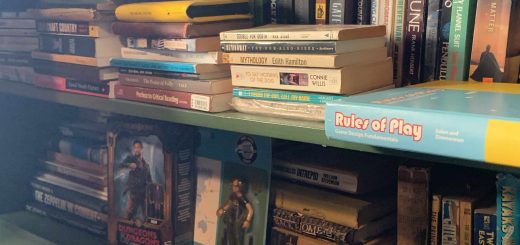
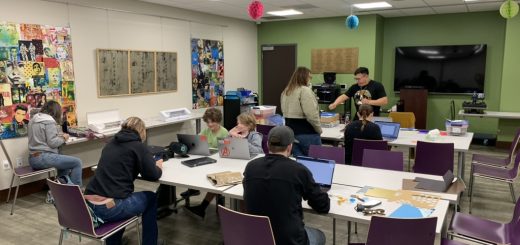
@grafzepp Great MLIS story in emojis. Like most good stories, I think the reader can probably interpret it many ways depending on their experiences. I love it.
Thank you! And you are so right!
I think you captured how important storytelling is and how much it depends on actually hearing others out. The way you described recovery groups and how listening can be a real act of service really stuck with me. If we can create more spaces for programs like this, then I think libraries are one of the best places to make that happen.
Thanks, Patricia!